
Air Compressor for Drilling Applications
High-Performance Compressed Air Solutions for Borehole, Rock Drilling and Mining Operations
- High Pressure Output Up To 30 Bar
- Designed for Mining & Drilling Applications
- Stable Performance in Harsh Environments
- Diesel Portable Air Compressor Available
- Customized Air Flow & Pressure Solutions
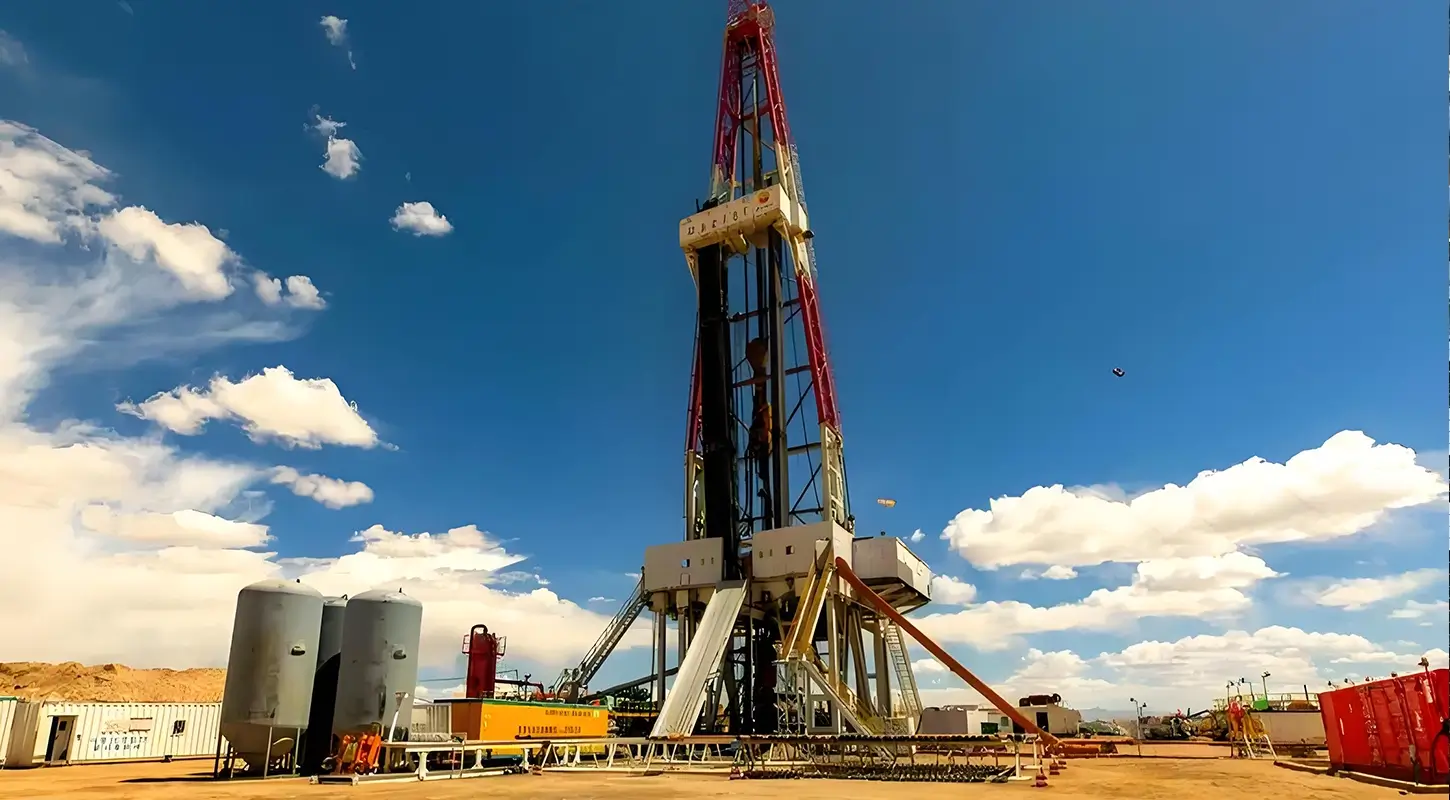
Challenges of Compressed Air Systems
in Drilling Operations
🔧
High Pressure Requirements
DTH drilling requires sufficient air pressure to operate the down-the-hole hammer effectively. If the compressor cannot maintain the required pressure under load, drilling performance can decline and penetration efficiency may be affected.
The challenge: Maintaining stable high pressure throughout demanding drilling operations.
💨
High Airflow Demand
Large DTH hammers and deeper drilling applications can require substantial volumes of compressed air. Insufficient airflow may reduce hammer performance and make it more difficult to remove rock cuttings from the borehole.
The challenge: Matching compressor airflow (CFM or m³/min) to the hammer, hole diameter, and drilling depth.
🌫️
Harsh & Dusty Working Conditions
Mining and drilling sites are often exposed to dust, vibration, high temperatures, moisture, and uneven terrain. These conditions can place additional demands on the compressor’s cooling, filtration, and mechanical components.
The challenge: Keeping the compressor reliable in demanding outdoor environments.
⚙️
Continuous Operation & Downtime Risk
Drilling projects often require compressors to operate for extended periods. Unexpected shutdowns or unstable compressed air supply can interrupt drilling and increase labor, equipment, and project costs.
The challenge: Providing a stable compressed air supply for long-duration drilling operations.
🚚
Remote Job Sites & Limited Power Supply
Many mining, water well, quarry, and exploration projects are located far from reliable electrical infrastructure. Transporting and operating equipment at these sites can be difficult.
The challenge: Delivering a portable and dependable compressed air solution without relying on grid electricity.
⛽
Fuel Efficiency & Operating Costs
For diesel-powered drilling compressors, fuel consumption can have a significant impact on the total cost of a drilling project, especially when the compressor operates for many hours each day.
The challenge: Balancing high pressure and airflow requirements with fuel efficiency, maintenance costs, and long-term operating performance.
Air Compressor Solutions for Drilling Industry
Mobile High Pressure Diesel Screw Compressor
Designed for DTH Drilling, Mining & Water Well Drilling
Sollant mobile diesel screw air compressors deliver high airflow, stable pressure and continuous operation for demanding drilling environments.
Powered by diesel engines and built with heavy-duty structures, they are ideal for remote drilling sites without external power supply.
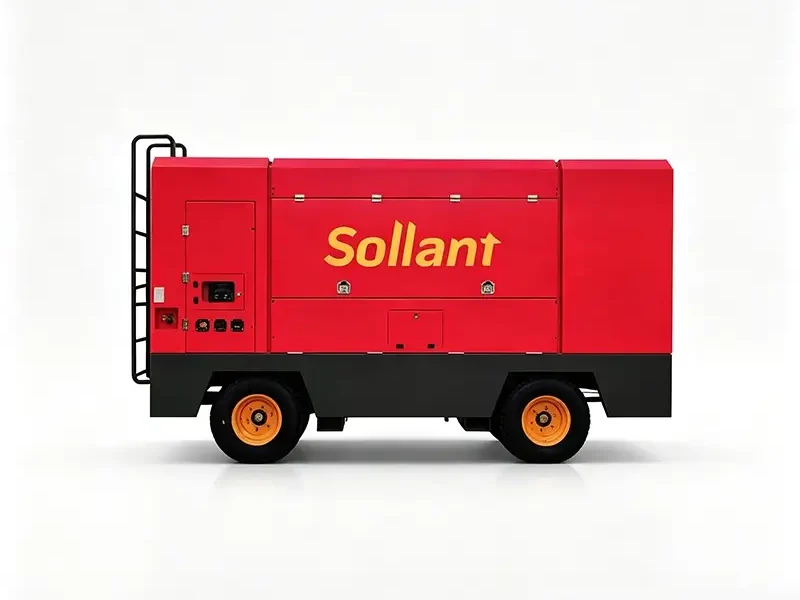
SLTDP-29/25 Mobile Diesel Screw Air Compressor
29 m³/min | 25 Bar | Two-Stage Compression
Key Advantages
✓ High pressure air supply for drilling operations
✓ Two-stage compression for better efficiency
✓ Heavy-duty skid or trailer-mounted design
✓ Reliable operation in harsh environments
Ideal For:DTH drilling | Mining drilling | Quarry drilling | Water well drilling
SLTDP-35/30 High Pressure Diesel Screw Compressor
35 m³/min | 30 Bar | High Airflow Drilling Solution
Key Advantages
✓ Large airflow capacity for high-demand drilling
✓ Stable pressure output for deep hole drilling
✓ Designed for continuous heavy-duty operation
✓ Improves drilling efficiency and productivity
Ideal For:Deep hole drilling | Large-scale mining projects | Blast hole drilling | High-performance DTH drilling
High Pressure Air System for Injection & Testing
Booster Compressor & High Pressure Piston Compressor
For applications requiring higher pressure than standard drilling compressors, Sollant provides customized high-pressure solutions for air boosting, pressure testing, injection and special engineering applications.
-1-800x600.jpg "HIGH PRESSURE BOOSTER AIR COMPRESSOR(1)")
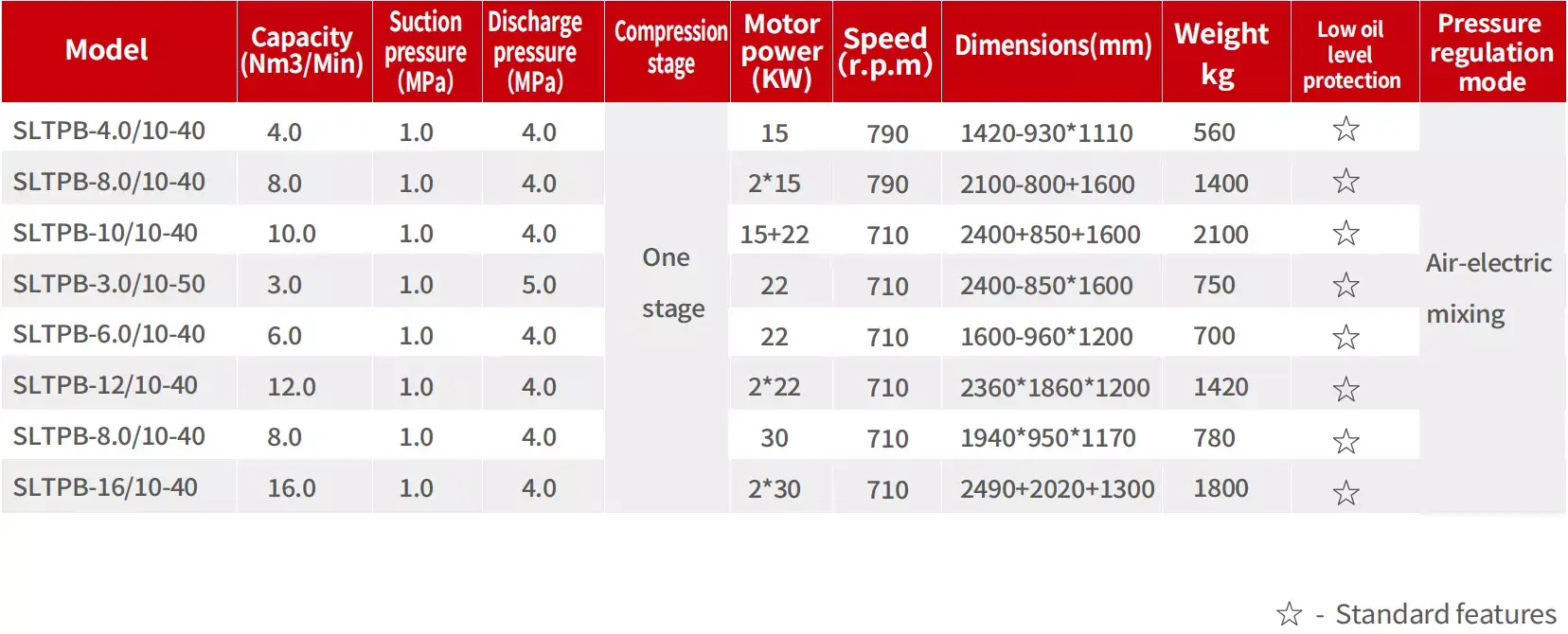
SLTPB-8.0/10-40 High Pressure Booster Compressor
1 MPa Input → 4 MPa Output
Boost Your Existing Air Supply to Higher Pressure
The SLTPB booster compressor increases compressed air pressure from 1 MPa to 4 MPa, providing an efficient solution for high-pressure applications.
Key Advantages
✓ Up to 4 MPa output pressure
✓ Works with existing compressed air systems
✓ Cost-effective high-pressure upgrade solution
✓ Customized configuration available
Applications:High pressure air injection | Drilling tests | Geological exploration | Pressure testing
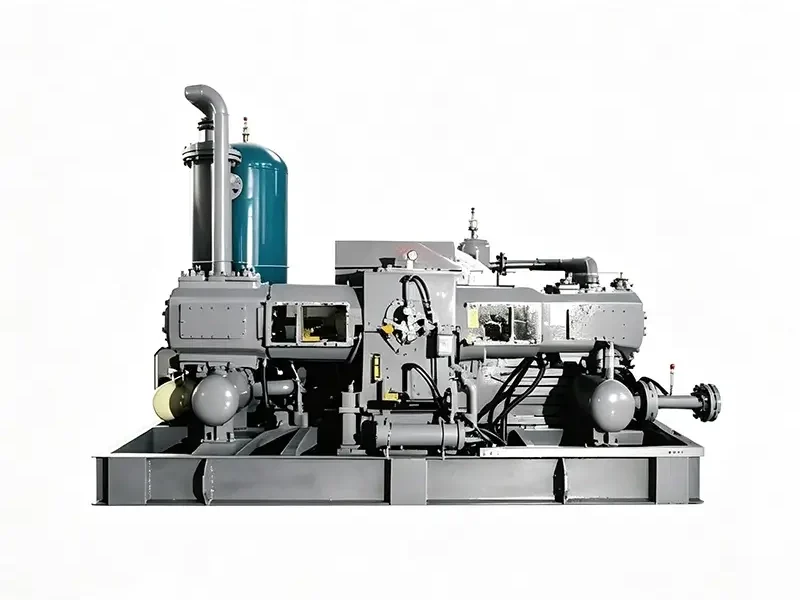
SLTPH High Pressure Piston Compressor
3.0 MPa / 4.0 MPa High Pressure Air Supply
Reliable High Pressure Compression for Special Applications
SLTPH piston compressors provide stable high-pressure air for engineering projects requiring reliable pressure performance.
Key Advantages
✓ 30-40 bar high pressure output
✓ Stable compression performance
✓ Suitable for intermittent high-pressure demand
✓ Customized according to customer requirements
Applications:Gas injection | Equipment testing | Drilling pressure testing | Special engineering projects
Technical Specifications
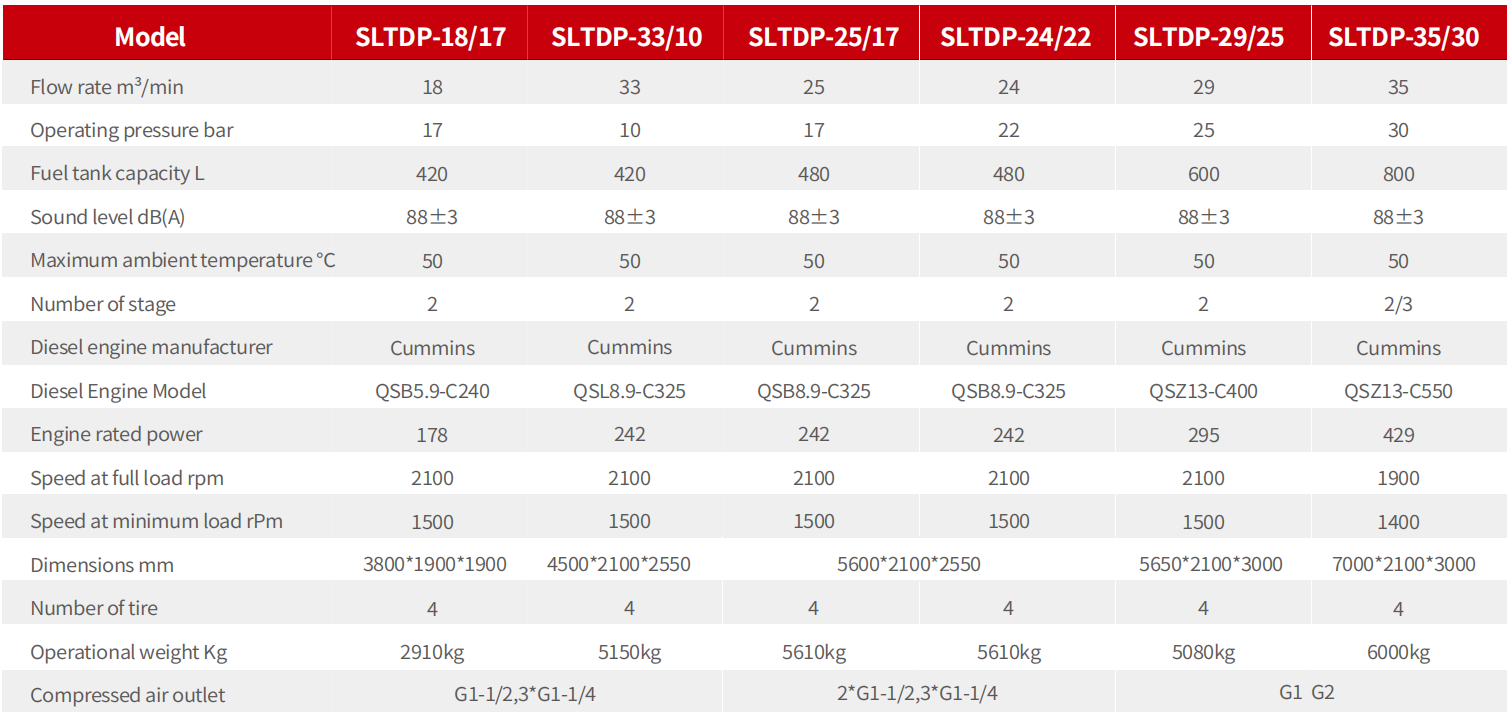
Technical Specifications of Single Stage Portable Diesel Air Compressors
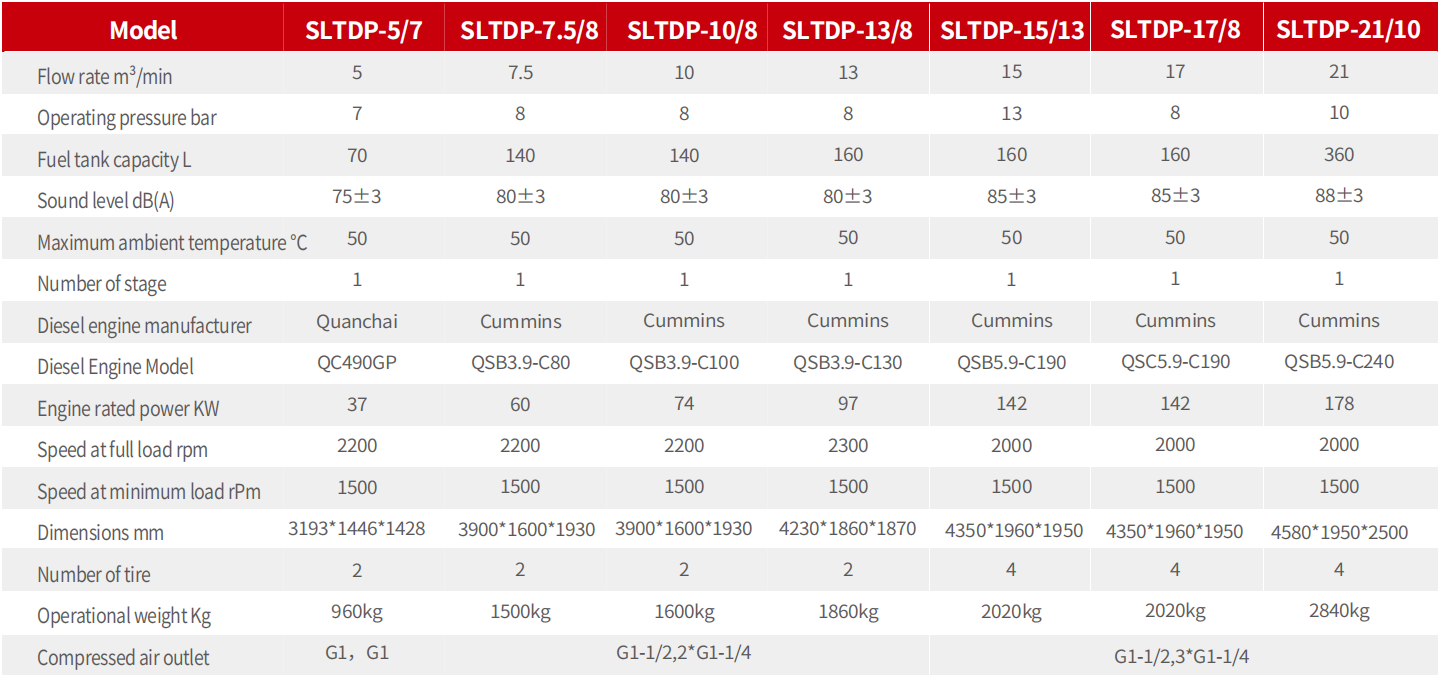
Technical Specifications of Two-Stage Portable Diesel Air Compressors
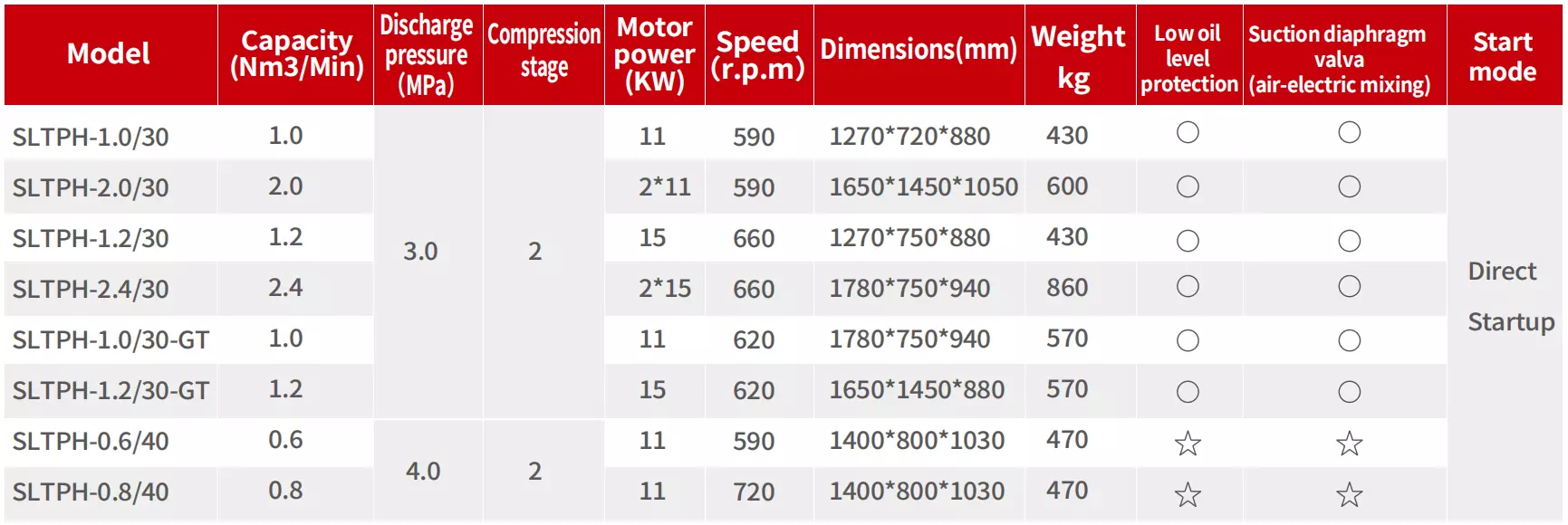
High-pressure Piston Air Compressor (Two-stage)
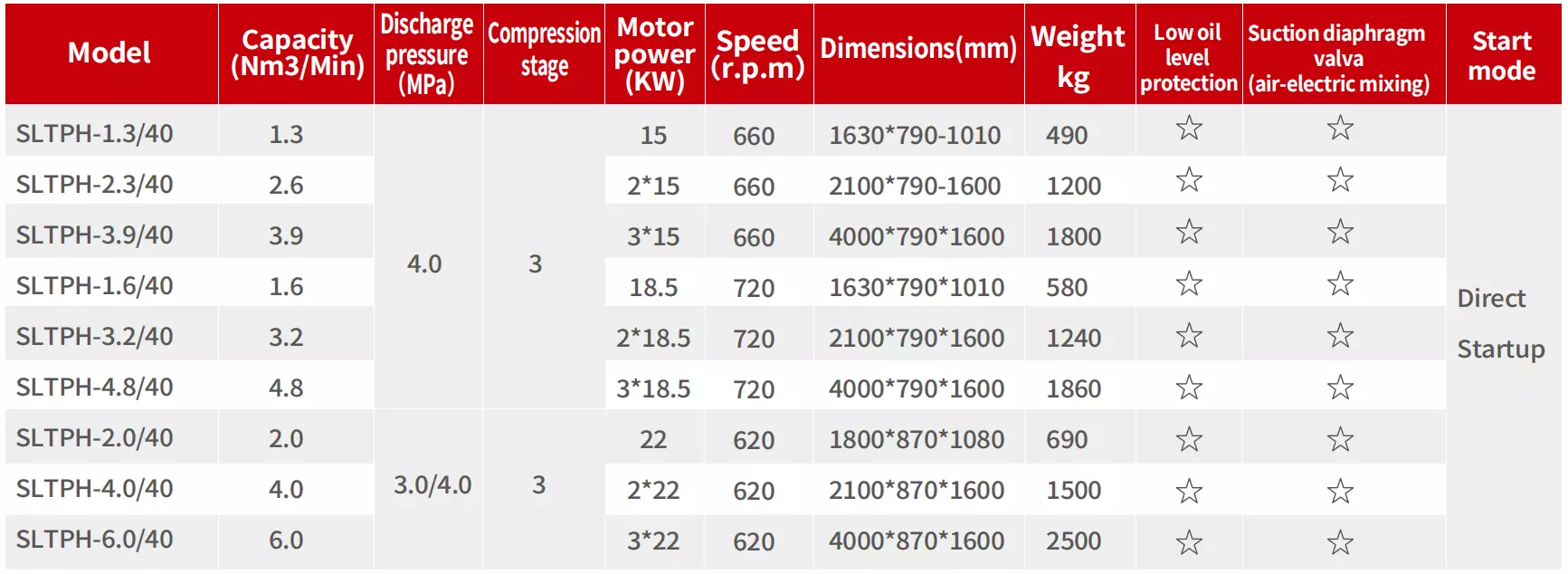
High-pressure Piston Air Compressor (Three-stage)
Drilling Air Compressor Applications
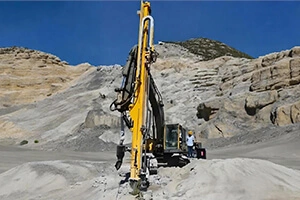
Mining Drilling
Mining drilling requires continuous and stable compressed air to power drilling equipment and remove rock debris efficiently. Our mining air compressors are designed for heavy-duty operation in demanding mining environments.
Applications:
✔ Underground mining drilling
✔ Open-pit mining operations
✔ Rock drilling equipment
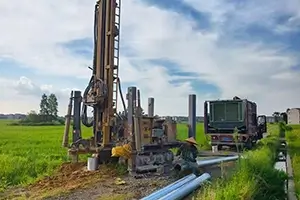
Water Well Drilling
Reliable Compressed Air for Borehole Drilling
Water well drilling projects require dependable air supply to support drilling tools and maintain efficient operation. Our water well drilling compressors provide stable pressure and airflow for deep drilling applications.
Applications:
✔ Agricultural water wells
✔ Industrial wells
✔ Deep borehole drilling
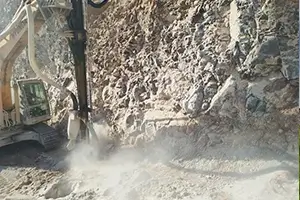
Quarry Drilling
High-Performance Compressors for Rock Drilling
Quarry operations require powerful compressed air systems to handle continuous rock drilling. Our quarry compressors deliver reliable performance for stone extraction and drilling applications.
Applications:
✔ Stone quarrying
✔ Rock blasting preparation
✔ Aggregate production
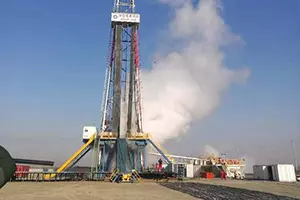
Geothermal Drilling
Efficient Air Solutions for Geothermal Projects
Geothermal drilling requires reliable compressed air performance under challenging underground conditions. Our geothermal drilling air compressors provide stable airflow and pressure for efficient drilling operations.
Applications:
✔ Geothermal exploration
✔ Energy well drilling
✔ Deep drilling projects
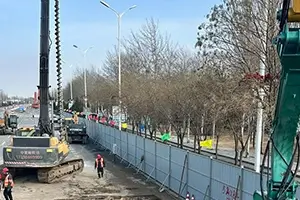
Construction Drilling
Portable Air Compressors for Construction Sites
Construction projects often require flexible and mobile compressed air solutions. Our construction drilling compressors are designed for easy transportation and reliable operation on various job sites.
Applications:
✔ Foundation drilling
✔ Road construction
✔ Concrete and rock drilling
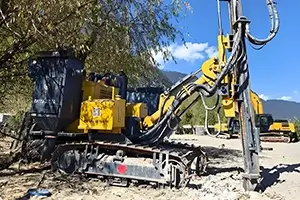
DTH Drilling
High-Pressure Air Compressors for DTH Drilling
Our high-pressure air compressors provide stable airflow to power DTH hammers and remove rock cuttings efficiently, even in hard rock formations.
Applications:
✔ DTH hammer drilling
✔ Rock drilling
✔ Blast-hole drilling
✔ Deep-hole drilling
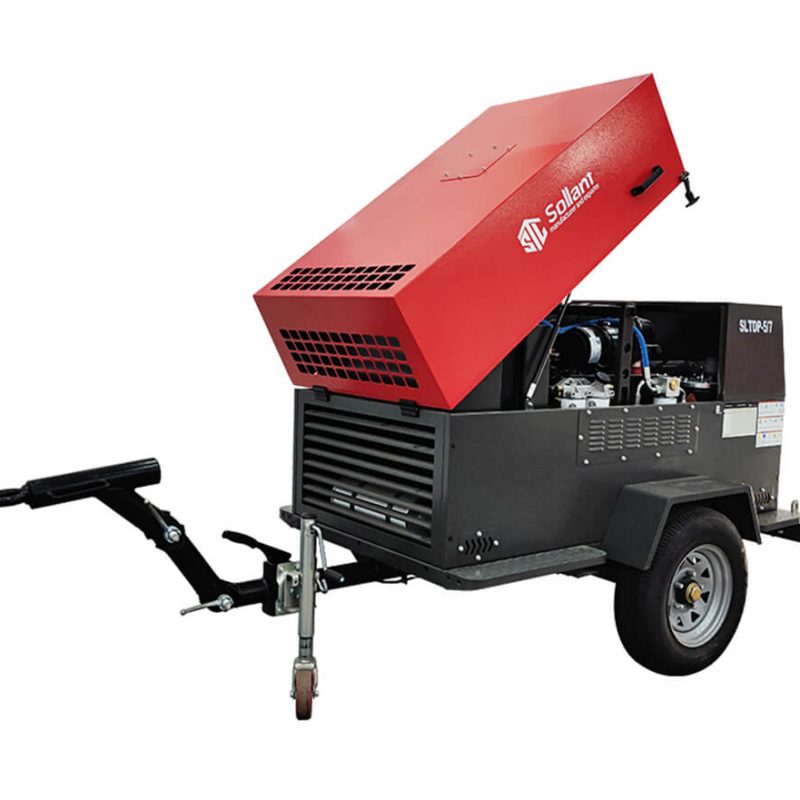
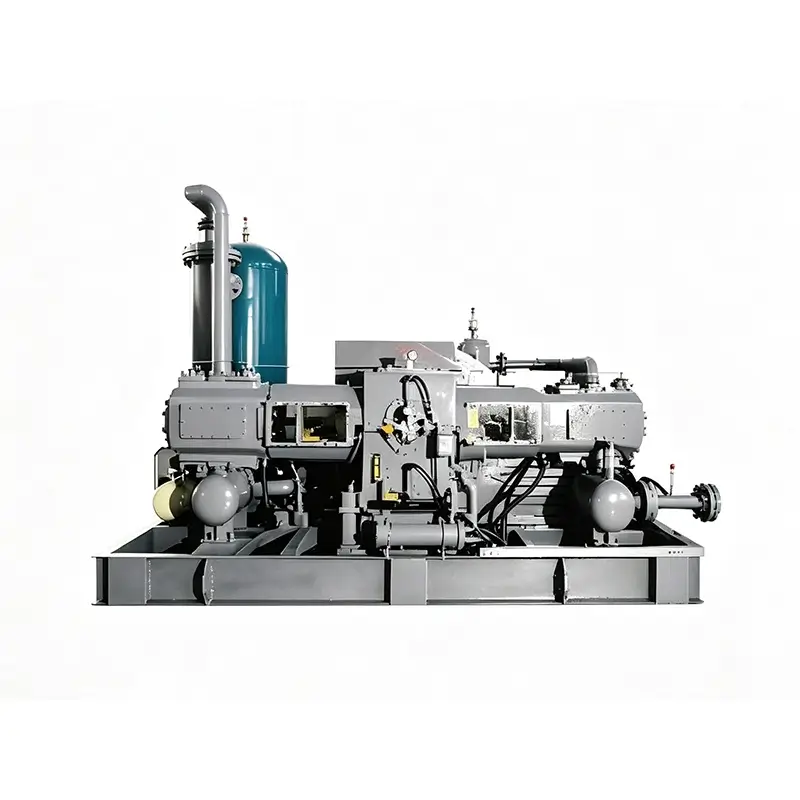
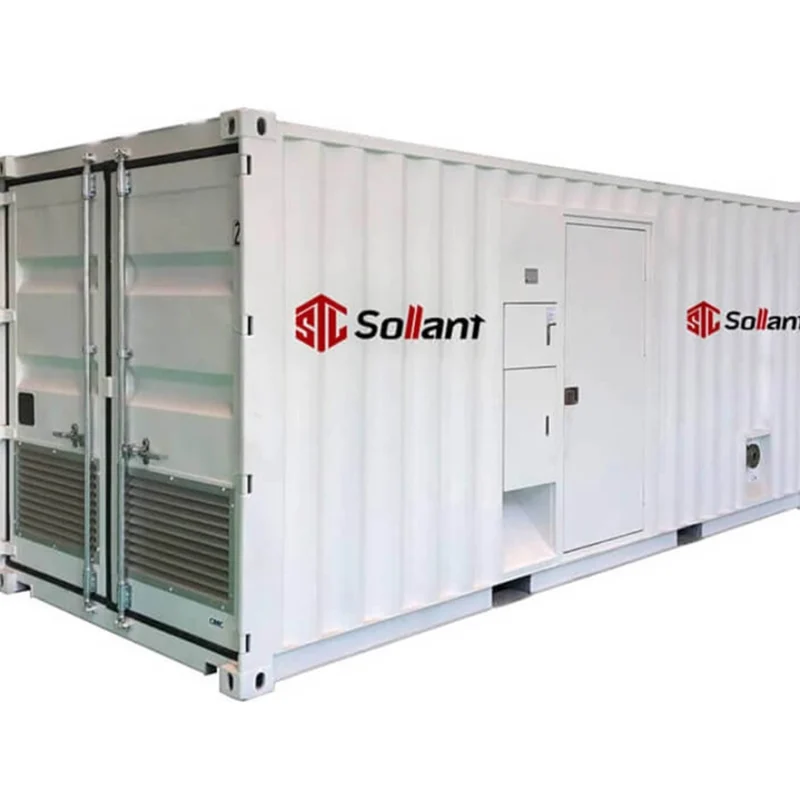
Sollant Provides Reliable Air Compression Solutions for Drilling Projects Worldwide

-1.jpg "HIGH PRESSURE BOOSTER AIR COMPRESSOR(1)")
Why Choose Our Drilling Air Compressors?
Reliable, Efficient and Powerful Compressed Air Solutions for Drilling Applications
Our drilling air compressors are designed to deliver stable performance, high efficiency, and long service life in demanding environments such as mining, quarrying, water well drilling, and construction projects.
1. High Pressure Performance
Stable Air Supply for Demanding Drilling Operations
Designed to deliver reliable high-pressure compressed air for drilling equipment, our compressors provide stable pressure output to improve drilling efficiency and performance.
Key Benefits:
✓ 7-35 bar pressure options
✓ Suitable for DTH and mining drilling
✓ Stable operation under heavy loads
2. Built for Harsh Environments
Heavy-Duty Design for Challenging Job Sites
Built with durable components and robust structures, our drilling compressors perform reliably in dusty, hot, and remote working environments.
Key Benefits:
✓ Dust-resistant design
✓ Excellent temperature adaptability
✓ Long service life
3. Large Air Flow Capacity
Powerful Air Delivery for Faster Drilling
High airflow capacity ensures efficient debris removal and continuous drilling performance, helping operators improve productivity.
Key Benefits:
✓ Wide airflow range available
✓ Supports different drilling rigs
✓ Customized capacity options
4. Fuel-Efficient Diesel Engine
Lower Operating Costs and Longer Working Hours
Our diesel-powered compressors combine strong performance with optimized fuel efficiency, reducing operating costs for remote drilling projects.
Key Benefits:
✓ Lower fuel consumption
✓ Extended operation time
✓ No external power required
5. Easy Maintenance
Reduce Downtime and Improve Productivity
Designed for convenient maintenance, our compressors allow quick inspection and servicing to keep your drilling operations running smoothly.
Key Benefits:
✓ Simple maintenance structure
✓ Easy access components
✓ Reduced downtime
6. Customized Solutions
Compressors Designed Around Your Drilling Needs
We provide customized compressed air solutions based on your pressure, airflow, mobility, and application requirements.
Customization Options:
✓ Pressure & airflow customization
✓ Trailer-mounted design
✓ OEM service available
Drilling Air Compressor Projects
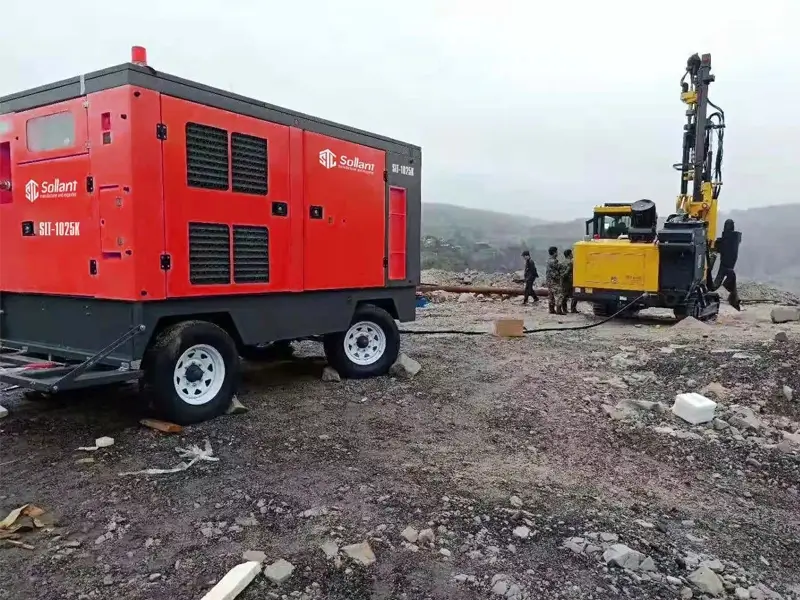
Mining Drilling Project in Africa
Challenge
Remote mining site with limited grid power.
Continuous DTH drilling required stable pressure and airflow, while the compressor needed to move between drilling areas.
Solution
Diesel-Powered Mobile Compressor
Independent diesel power + mobile configuration + pressure and airflow matched to the drilling application.
Results
- Stable Air Supply:More consistent pressure and airflow during drilling
- Reduced Downtime Risk :Less dependence on unreliable grid power
- Better Cost Control:Compressor capacity matched to actual requirements
- Improved Mobility:Easy relocation between drilling areas
Frequently Asked Questions
Drilling applications typically use rotary screw air compressors, especially when continuous and stable compressed air is required. For DTH drilling, mining, quarrying, water well drilling and other demanding applications, high-pressure screw compressors are commonly used to provide the required air pressure and airflow.
For remote drilling sites, diesel-powered portable air compressors are a practical choice because they do not require an external electrical power supply. For fixed drilling sites where reliable electricity is available, electric screw compressors can also be considered.
Sollant supplies diesel and electric drilling air compressor solutions and can recommend a suitable configuration based on your drilling method, rig specifications, required pressure and airflow.
The required compressor size depends mainly on the drilling method, hole diameter, drilling depth, DTH hammer or drill bit, required working pressure and airflow.
For example, DTH drilling generally requires a compressor capable of providing sufficient pressure and airflow to operate the down-the-hole hammer and remove rock cuttings from the borehole.
Instead of selecting a compressor based only on the drilling rig model, we recommend providing your drilling rig model, drilling depth, hole diameter, DTH hammer model and required pressure or airflow. Sollant’s engineers can then recommend a suitable compressor configuration.
The required pressure for DTH drilling depends on the DTH hammer, drilling depth, rock formation, hole diameter and operating conditions.
Higher-pressure drilling systems may be required for deeper holes, harder rock formations or specific high-pressure DTH hammers. However, pressure should not be selected independently from airflow because the compressor must provide both sufficient pressure and sufficient air volume for stable drilling performance.
Sollant provides different pressure configurations for drilling applications, including high-pressure solutions. Contact our engineers with your DTH hammer specifications and drilling requirements for a suitable recommendation.
The airflow requirement of a DTH drill varies according to the DTH hammer size, hole diameter, drilling depth, operating pressure and manufacturer specifications.
A larger DTH hammer or larger-diameter borehole will generally require more compressed air. Airflow is also important for maintaining effective cuttings removal during drilling.
When selecting a compressor, we recommend checking the air consumption specified by the DTH hammer manufacturer and allowing an appropriate operating margin rather than selecting a compressor based only on CFM.
Sollant can help you convert your required airflow between CFM and m³/min and recommend a suitable compressor based on your drilling equipment.
For water well drilling, the best compressor depends on the drilling depth, hole diameter, drilling method, geological conditions, DTH hammer and required pressure and airflow.
For mobile water well drilling projects, diesel-powered portable screw compressors are often suitable because they can operate independently of grid electricity and can be transported between drilling locations.
For deeper drilling or applications requiring higher pressure, a high-pressure compressor configuration may be more appropriate.
Sollant provides customized air compressor solutions for water well drilling and can recommend the appropriate pressure, airflow, power and mounting configuration according to your project requirements.
Mining drilling often requires a compressor that can operate reliably under high load, dust, vibration, high temperatures and demanding working conditions.
For mobile mining and blast-hole drilling applications, diesel-powered screw compressors are commonly considered because they provide independent power and can be moved between drilling locations. High-pressure configurations can be selected when required by the drilling equipment and DTH hammer.
When choosing a mining drilling compressor, important factors include:
- Working pressure
- Airflow
- Drilling depth
- Hole diameter
- DTH hammer requirements
- Operating environment
- Diesel engine configuration
- Mobility and mounting requirements
Sollant can provide customized compressor configurations for mining, quarrying and rock drilling applications.
The main difference is the power source and operating environment.
Diesel drilling compressors are suitable for mobile and remote drilling sites where grid electricity is unavailable or unreliable. They provide greater flexibility for outdoor mining, water well drilling, quarrying and construction applications.
Electric drilling compressors are more suitable for fixed drilling locations with a stable electrical power supply. They can be a practical option for long-term stationary operation.
The right choice depends on your jobsite, power availability, operating hours, mobility requirements and local energy costs.
If you are unsure which power configuration is better for your project, Sollant can compare diesel and electric options based on your actual working conditions.
Compressor pressure should be selected according to the DTH hammer or drilling equipment requirements, rather than simply choosing the highest available pressure.
Key factors include:
- DTH hammer operating pressure
- Drilling depth
- Rock hardness
- Hole diameter
- Required penetration performance
- Air pressure loss through hoses and piping
- Working altitude and environmental conditions
The compressor should provide sufficient pressure at the drilling equipment while maintaining the required airflow.
If you provide your DTH hammer model, drilling depth, hole diameter and drilling method, Sollant can help determine a suitable pressure and airflow configuration.
Request a Quick Quote Now
Order or No Order? We're here for you 24/7

