
Brewing
From grain to glass, compressed air and nitrogen are the invisible ingredients in every great beer. Sollant delivers oil-free, food-grade compressed air systems built for microbreweries, craft operations, and large-scale production alike.
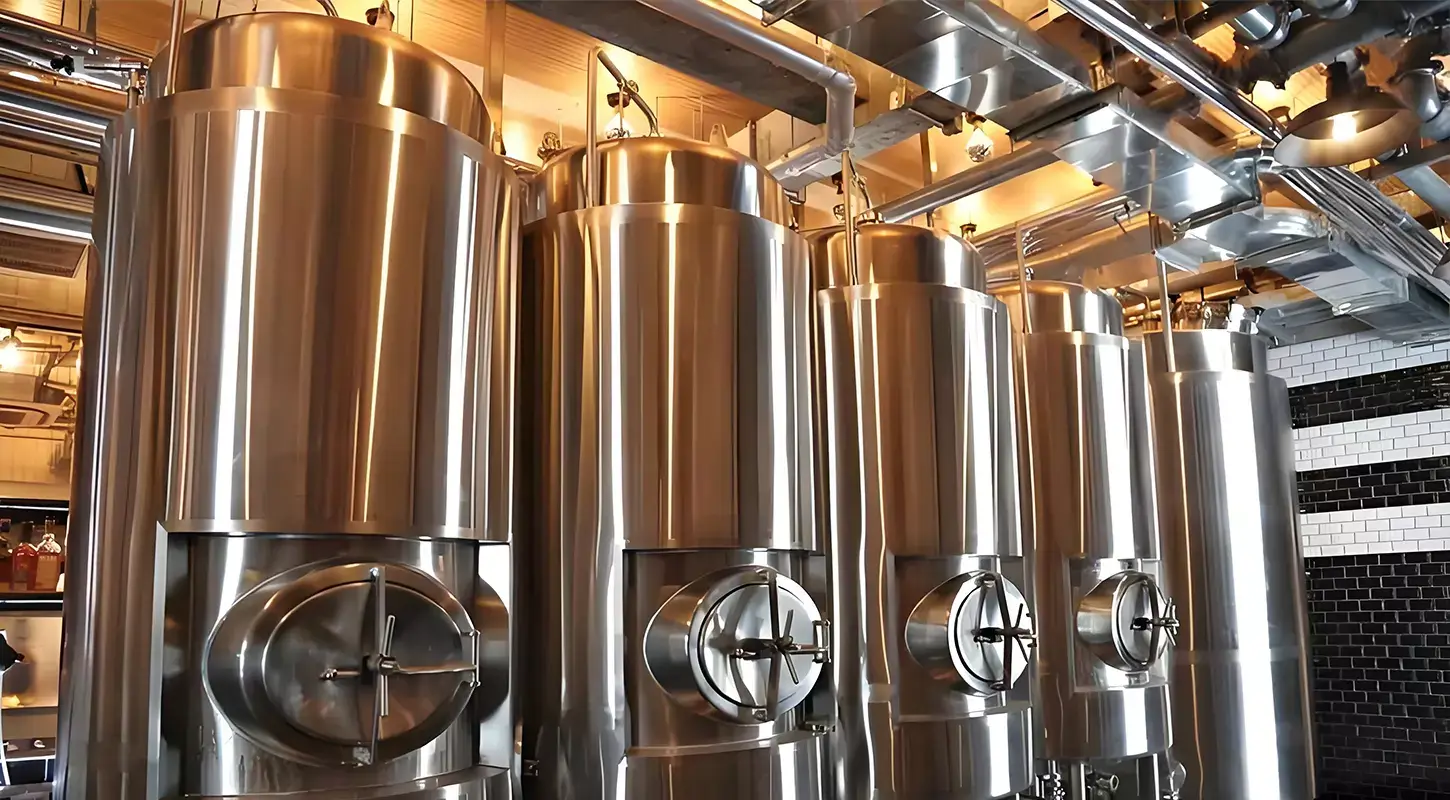
How It Works
The Brewing Process & Where Air Comes In
Every stage of brewing — from mashing grain to sealing cans — relies on compressed air or nitrogen. Contaminated air changes flavor. The wrong gas affects carbonation. Getting this right is non-negotiable.
🌾
Stage 01
Malting & Mashing
Grain is soaked, germinated, and dried. Hot water is mixed to extract fermentable sugars. Pneumatic controls manage valve operations throughout.
💧
Stage 02
Lautering & Boiling
Wort is separated from grain solids and boiled with hops. Rapid chilling follows to prevent oxidation and protect flavor compounds.
🧫
Stage 03
Fermentation & Conditioning
Sterile compressed air aerates the wort for yeast health. Nitrogen blankets tanks during conditioning and transfer to block oxygen contact.
🍺
Stage 04
Filtration & Packaging
Beer is filtered, carbonated, and packaged. Nitrogen purges cans and bottles before filling; compressed air drives filling lines and labelers.

Application
Applications of Compressed Air and
Nitrogen in Breweries
Whether you’re running a 10-barrel microbrewery or a 100,000-barrel regional operation, these are the processes that depend on clean, reliable compressed gas.
Wort Aeration
Yeast requires dissolved oxygen before fermentation begins. Sterile compressed air is injected into cooled wort to promote healthy yeast growth without introducing contamination. Air quality here directly affects attenuation and flavor.
Beer Transfer & Pumping
Nitrogen pressure-transfers beer between tanks without mechanical pump shear or oxygen pickup. Because N₂ is 100× less soluble in water than CO₂, it won’t alter carbonation levels — unlike CO₂-based transfers which can over-carbonate the product.
Tank Blanketing & Purging
After steam-cleaning, tanks are purged with nitrogen before receiving beer. An inert nitrogen blanket sits above the liquid during conditioning, maturation, and when emptying — preventing oxidative staling that would degrade hop character and freshness.
Bottling & Canning Lines
Compressed air powers automated filling valves, labeling actuators, and conveyor systems. It must be oil-free and dry to avoid any contact contamination. N₂ is used to flush headspace from cans and bottles immediately before sealing to extend shelf life.
Carbonation Control
Nitrogen-assisted carbonation stones create millions of fine bubbles in the conditioning tank, producing a smoother, creamier mouthfeel. Careful N₂/CO₂ blending lets brewers fine-tune carbonation precisely — essential for nitrogenated stouts and craft nitro ales.
CIP & Line Cleaning
Clean-in-place systems use compressed air to push cleaning chemicals through fermenters and lines, then blow them dry. Nitrogen ensures cleaning agents don’t react with ambient oxygen. After cleaning, compressed air clears all residue to protect the next batch.
What are the Key Requirements for
Compressed Air and Nitrogen in Breweries?
The primary requirements for compressed air and nitrogen in breweries can be summarized as: clean, dry, oil-free, stable, and controllable. In a brewing environment, these gases directly impact product taste, filling safety, equipment reliability, and production continuity.
Compressed Air Requirements
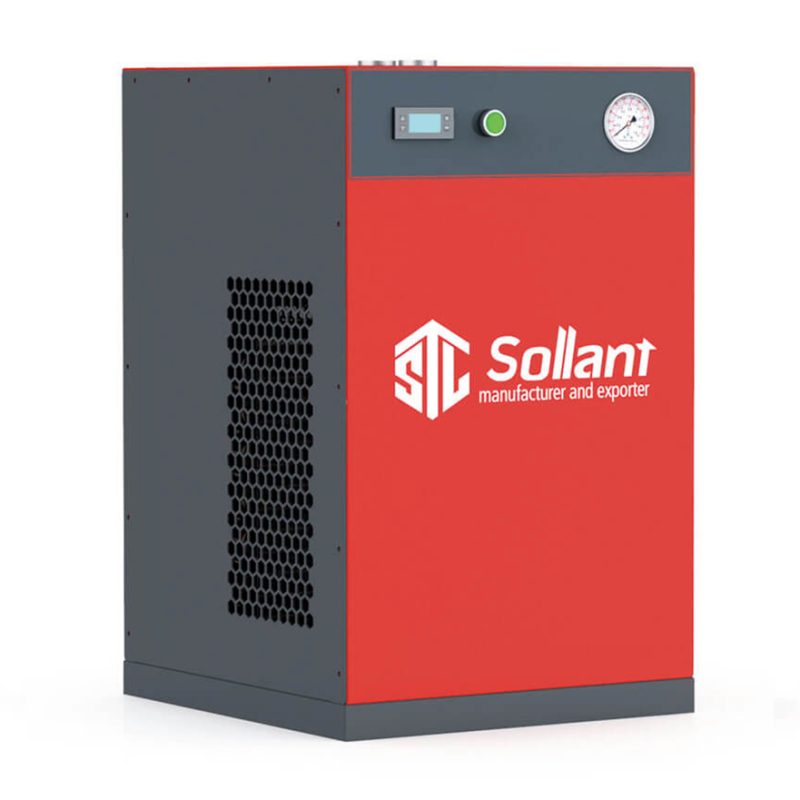
Cleanliness: Must be 100% oil-free (ISO 8573-1 Class 0 or Class 1) to prevent oil contamination from affecting yeast and beer flavor; requires high-efficiency dryers (dew point below -40°C) and multi-stage filtration.
Quality Standards: Low moisture, low particulate count, and low microbial levels; compliant with ISO 22000 / HACCP food-grade standards.
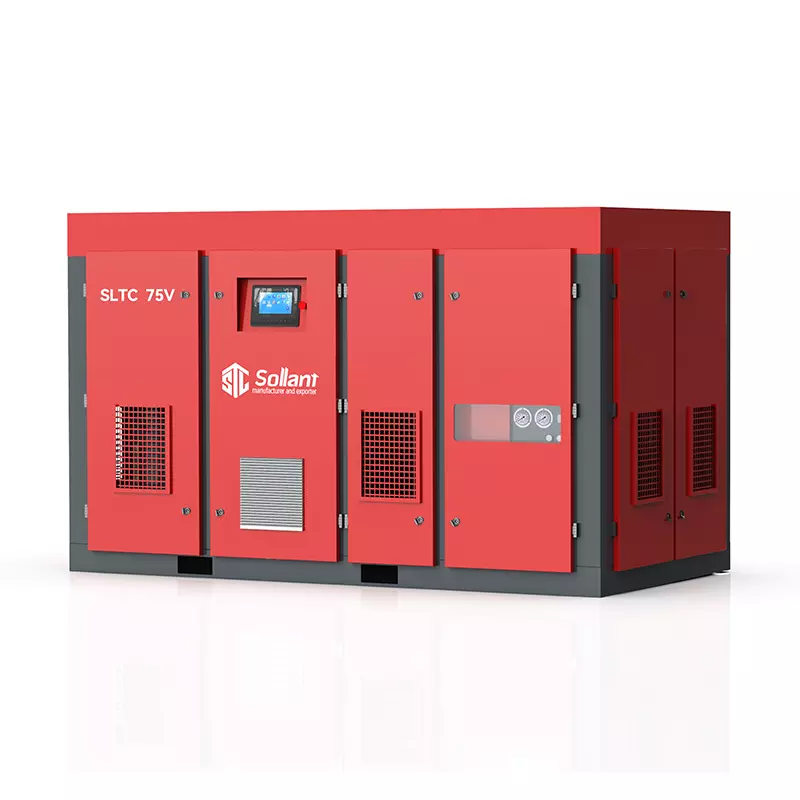
Pressure and Operation: 6–12 bar with stable, continuous supply; variable speed drive (VSD/permanent magnet) compressors are recommended to achieve energy savings of over 30%.
Other: Low noise, low maintenance, heat recovery capabilities, and support for 24/7 operation.
Nitrogen Requirements
High Purity: Nitrogen is primarily used to displace oxygen and protect the beer and packaging containers; higher purity minimizes oxidation risks and extends shelf life.
Low Oxygen Content: The key is not merely the presence of nitrogen, but minimizing dissolved and residual oxygen levels, as excess oxygen can compromise taste, aroma, and stability.
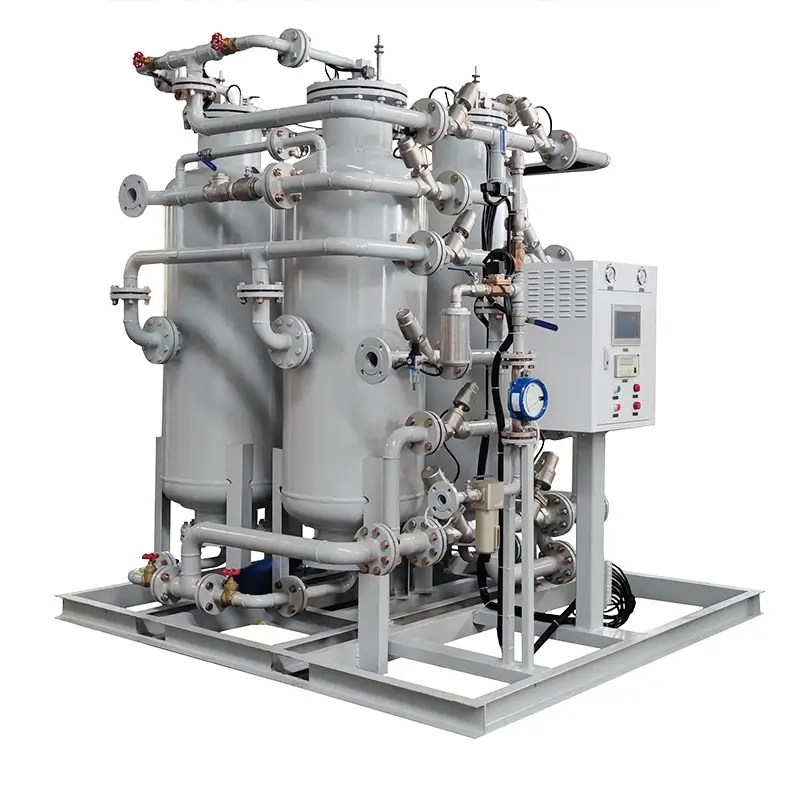
Continuous, Stable Supply: Nitrogen demand is often continuous during filling, transfer, purging, and pressure maintenance processes; therefore, on-site nitrogen generation systems must provide stable output matched to operational needs.
Cost-effectiveness and Safety: Many breweries prefer on-site nitrogen generation because it offers greater flexibility than purchasing liquid nitrogen or gas cylinders, while also reducing transportation and storage costs.
Ready to Take Your Brewing to the Next Level?
Let us build a custom brewing system for you.

-800x800.jpg "Oil Injected Screw AirCompressor11kw(2)")

Why Sollant
Built for the Demands of Brewing
Breweries don’t get second chances. A contaminated batch costs far more than the right equipment. Here’s what sets Sollant apart for the brewing industry.
01
Food-Grade Air Quality
Our oil-free compressors deliver ISO 8573-1 Class 0 air. No oil vapor, no particulate contamination, no compromise. For oil-injected models, food-grade lubricants and proper downstream filtration achieve the same standards required by EU and FDA regulations.
02
Complete System Solution
Compressor, dryer, filtration, nitrogen generator, air receiver, and piping — Sollant supplies and integrates the full compressed air system. One vendor, one responsibility, and a system designed to work as a unit rather than assembled from mismatched parts.C
03
VSD Energy Savings
Variable Speed Drive technology reduces energy consumption by up to 30% compared to fixed-speed compressors. Since energy accounts for ~50% of total compressor lifetime costs, every percentage point of efficiency improvement delivers lasting bottom-line impact for your brewery.
04
On-Site Nitrogen Generation
Stop ordering CO₂ cylinders. Our nitrogen generators produce N₂ on demand directly from your compressed air system — at the purity you need, when you need it. Microbreweries report payback within months and eliminate the logistics headache of cylinder management entirely.
05
24/7 Technical Support
Brewing doesn’t stop on weekends. Our engineering support team operates 24 hours a day, 7 days a week. Remote diagnostics, local service networks, and fast parts availability keep your compressed air system — and your production — running without interruption.
06
Right-Sized for Microbreweries
A craft brewery of 5–50 barrels typically needs just one compressor, sized correctly. We help you calculate the right flow and pressure for your specific process — so you’re not over-investing in capacity you don’t need or undersized and limiting production growth.
What the Customer Says
“Sollant’s variable-frequency air compressors operate stably with low noise levels; their energy consumption has dropped by nearly 30% compared to before, significantly reducing our production costs.”
James Wilson, Production Manager
“Sollant’s equipment demonstrates exceptional stability; having operated continuously at full load for 24 hours without a single abnormal shutdown, it serves as our most trusted source of power support.”
Miller, Equipment Supervisor
“The service team is professional and highly responsive. The equipment has been in operation for over two years, demonstrating stable overall performance, a low failure rate, and low noise levels; they are a trustworthy partner.”
Eric Wright, Technical Director
Request a Quick Quote Now
Order or No Order? We're here for you 24/7

