
PET Bottle Blowing Air Compressor Solutions
Stable 25–40 Bar High-Pressure Air for PET Bottle Blowing
- 30–40 bar high-pressure solutions
- Oil-injected & oil-free options
- Compressor + booster packages
- Customized for PET blow molding lines
- 22+ years of export experience
- Exported to 100+ countries
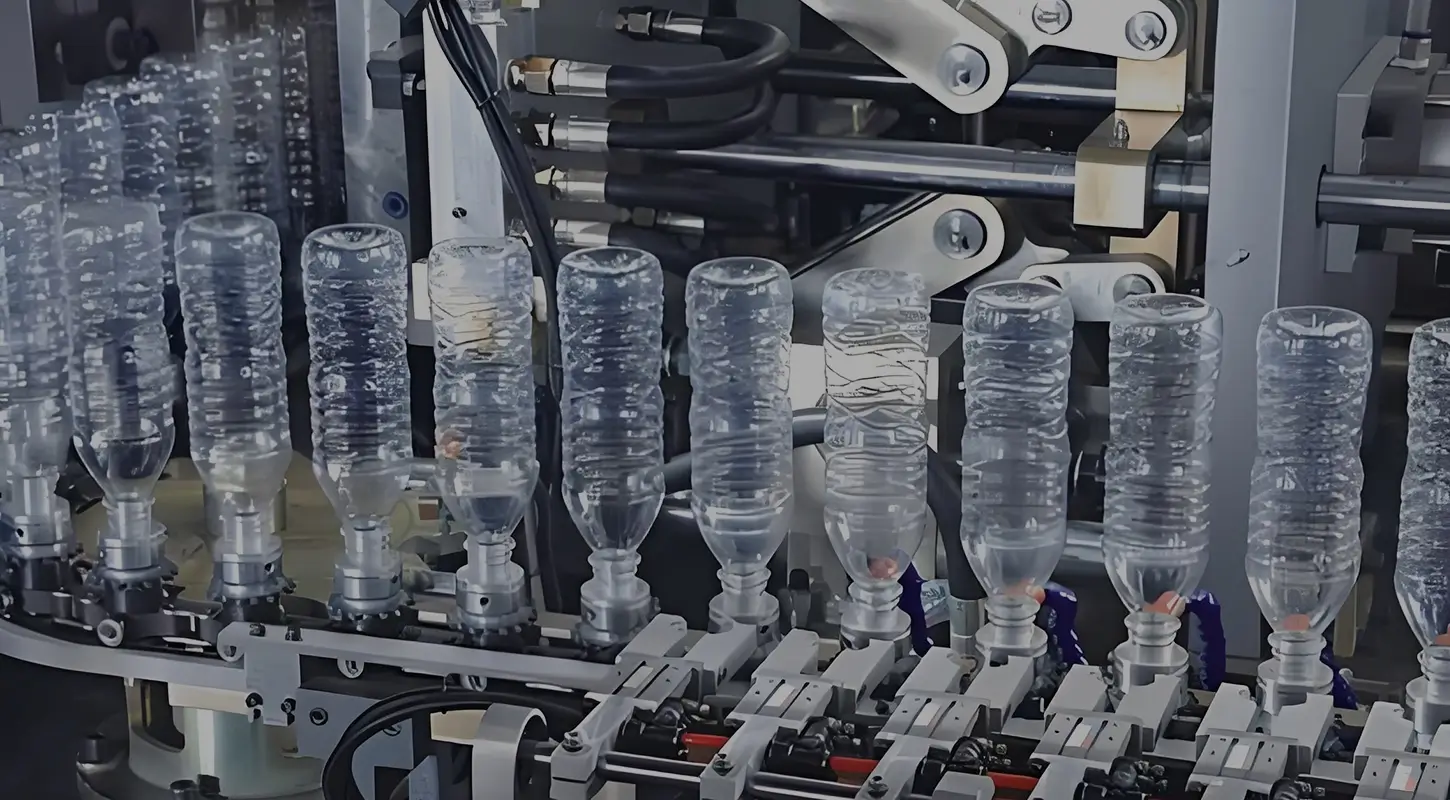
Compressed Air Requirements
for PET Bottle Blowing
PET bottle blowing requires stable pressure, sufficient air flow, and clean, dry compressed air. The right compressor configuration depends on the bottle design, production capacity, blow molding machine and required air quality.
01 — Pressure
25–40 bar
The final blow molding of PET bottles typically requires high-pressure air in the range of 25 to 40 bar. The specific pressure depends on the bottle’s size, design, and material, as well as the specifications of the blow molding machine.
02 — Air Flow
Stable & Sufficient FAD
The compressor must provide enough free air delivery (FAD) to meet both normal and peak air demand. Air consumption is affected by bottle volume, production speed, number of cavities, and machine configuration.
03 — Air Quality
Clean & Dry Compressed Air
Moisture, oil and particles can affect production reliability and air quality. Air dryers, filters and oil-free compressor options can be configured according to the requirements of the PET production process.
PET Compressed Air Requirements
| Application | Typical Pressure | Key Requirement |
| Pneumatic Control & Auxiliary Equipment | 6–8 bar | Stable plant air supply |
| Pre-Blowing | 8–15 bar | Stable pressure and sufficient flow |
| Final Blow Molding | 25–40 bar | High pressure and high air flow |
| Special PET Applications | 40+ bar | Customized high-pressure solution |
Pressure ranges are for reference only. Actual requirements should be confirmed according to the PET bottle design and blow molding machine specifications.
What Determines PET Air Consumption?
The required air flow is not determined by pressure alone. Before selecting a compressor, the following parameters should be considered:
Bottle Size — 250 ml, 500 ml, 1 L, 1.5 L, 2 L, 5 L, etc.
Production Capacity — Bottles per hour (BPH) and required production speed.
Number of Cavities — More cavities generally require greater compressed air capacity.
Blow Molding Machine — Machine model and manufacturer specifications directly affect air consumption.
Working Pressure — Pre-blowing and final blowing may require different pressure levels.
Air Quality — Food, beverage and other sensitive applications may require enhanced air treatment or oil-free compressed air.
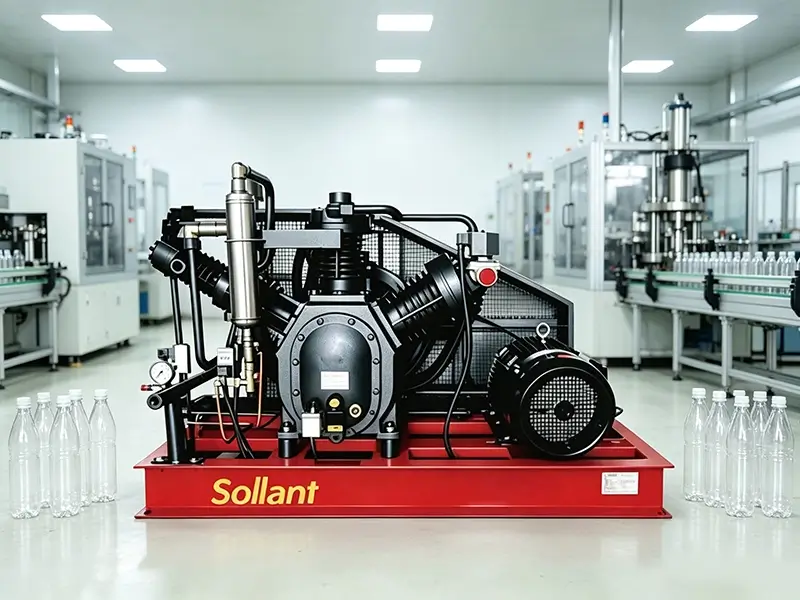
PET Bottle Blowing Compressor Solutions
Reliable compressed air is essential for stable PET bottle blowing. Different production capacities, bottle sizes, air quality requirements, and operating conditions require different compressor configurations.
Sollant provides customized PET bottle blowing compressor solutions from medium-pressure air generation to 30–40 bar high-pressure air supply, including oil-injected, oil-free, screw, and piston booster configurations.
Whether you are running a small PET production line or a high-volume beverage packaging plant, our engineers can recommend the appropriate compressor capacity, pressure, airflow, and system configuration based on your actual production requirements.
01 — Screw Compressor + Booster
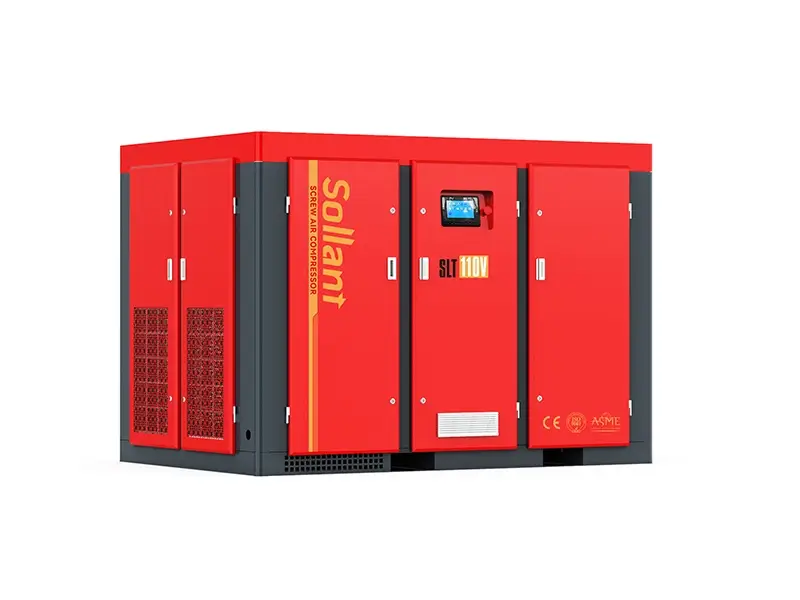
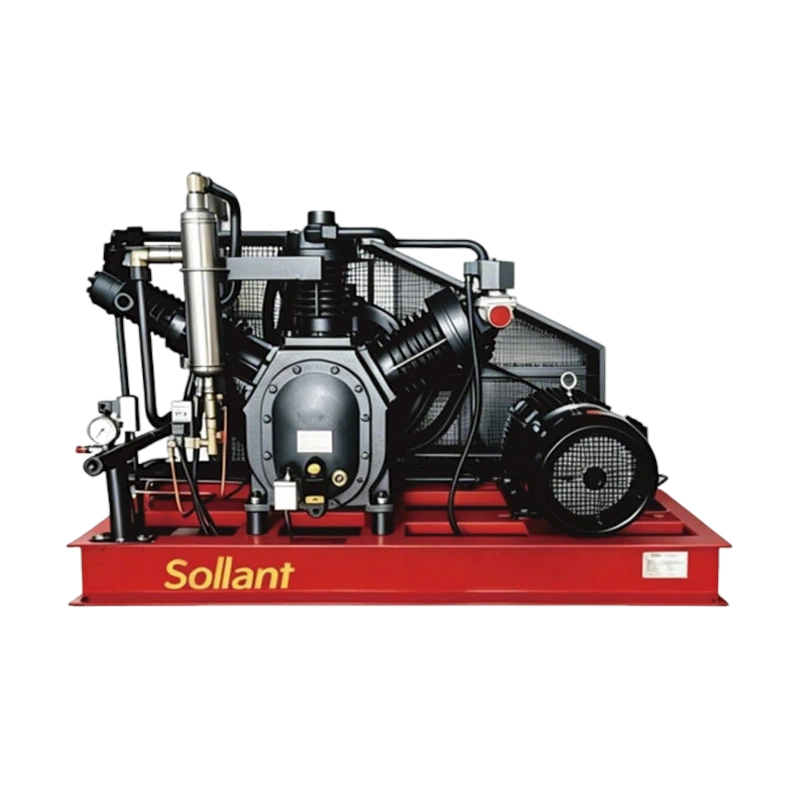
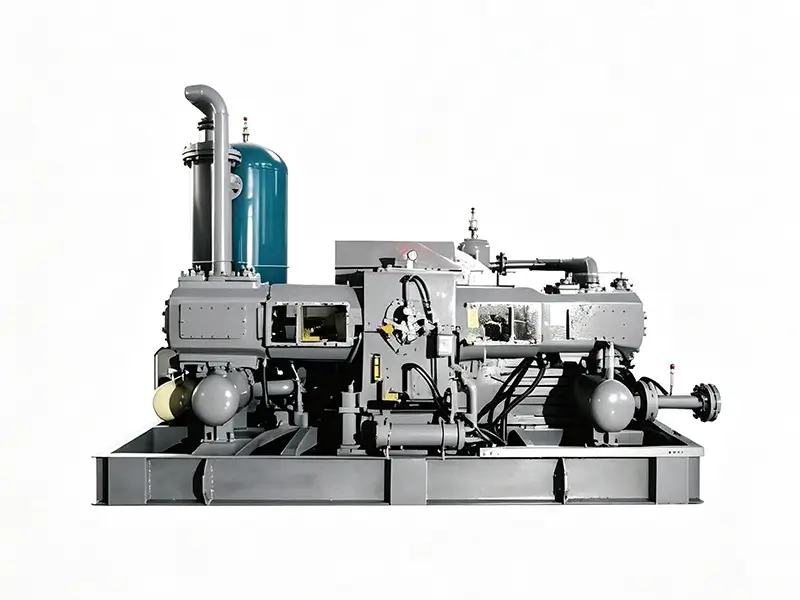
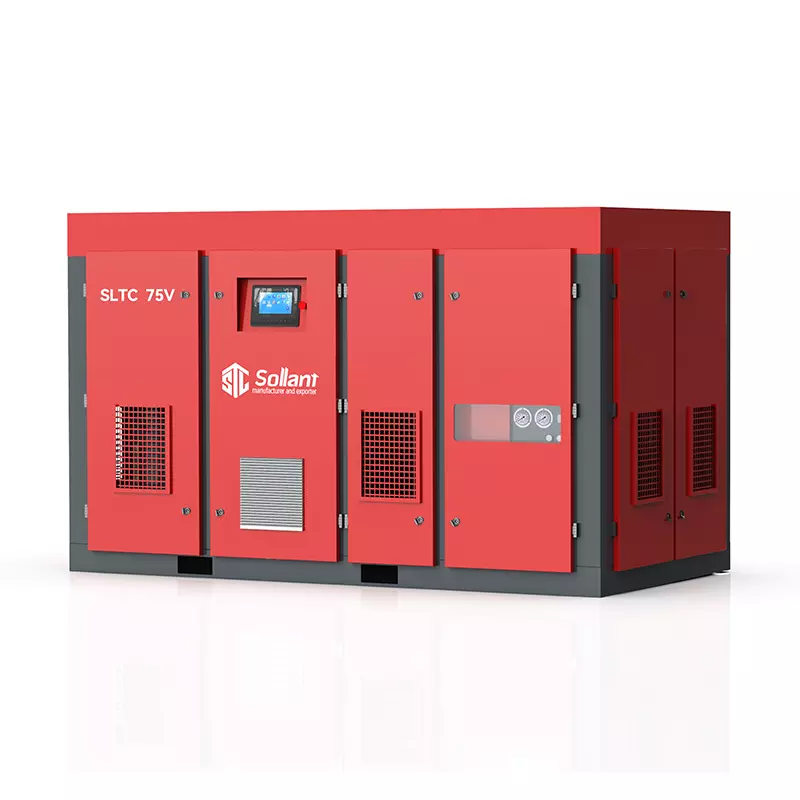
SLT-110V Oil-Injected Screw Air Compressor + SLTPH-2.0/40 Oil-Lubricated Piston Booster Compressor
Cost-Effective 40 Bar Solution for PET Blow Molding
A practical solution for small and medium PET production lines. The screw compressor supplies stable low-pressure air, while the piston booster increases pressure up to 40 bar for final bottle blowing.
Best for: Small & medium PET production lines
Why choose it
- Up to 40 bar high-pressure air
- Flexible screw compressor + booster configuration
- Suitable for PET pre-blowing and final blowing systems
- Cost-effective for standard compressed-air applications
- Customized capacity available
02 — Oil-Free Screw Compressor + Booster
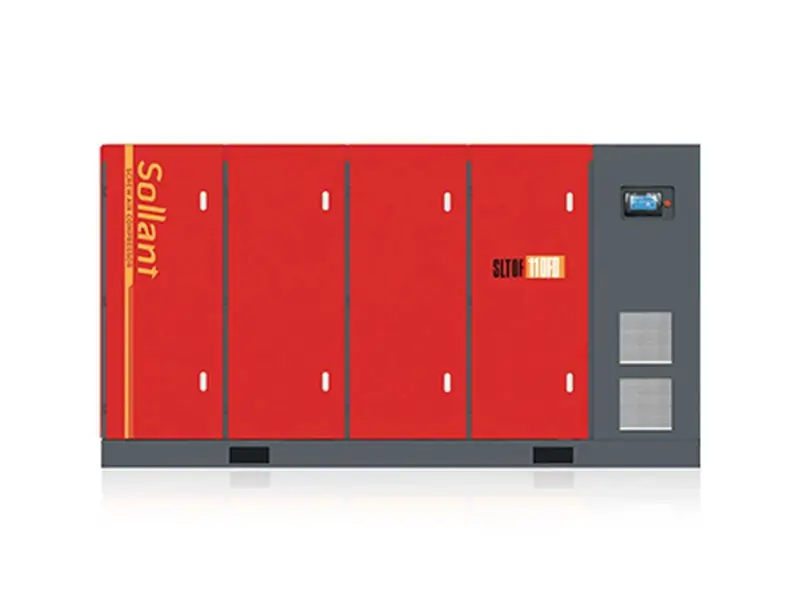
SLTOF-110FD Oil-Free Screw Air Compressor + SLTBF-25/8-40 Oil-Free Piston Booster
Class 0 Oil-Free Air for High-Purity PET Production
For PET applications where compressed-air purity is critical, this configuration combines an oil-free screw compressor with an oil-free high-pressure booster to supply up to 40 bar compressed air.
Best for: Beverage, food packaging and high-purity PET applications
Why choose it
- Oil-free compressed air
- Up to 40 bar high-pressure supply
- Large airflow capacity
- Designed for demanding PET production
- Complete compressor + booster solution
03 — High-Pressure Screw Compressor
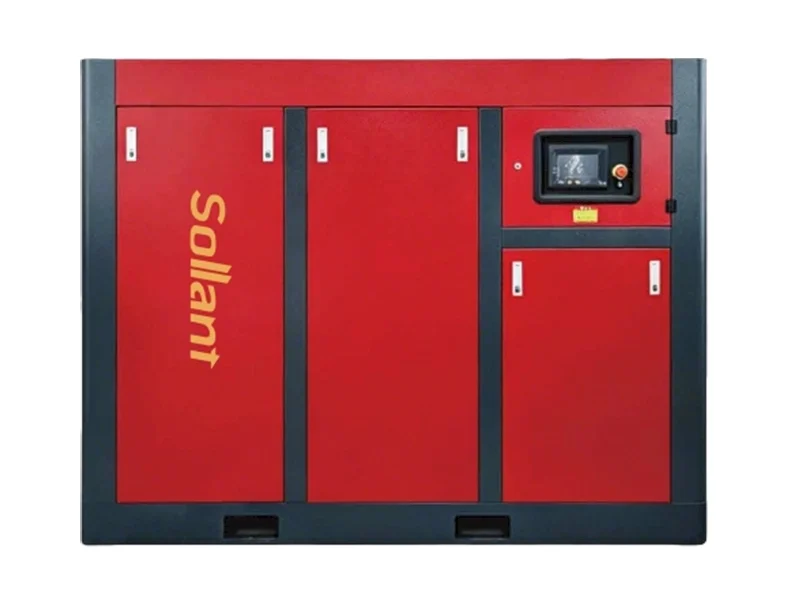
SLTH-110V Oil-Injected High-Pressure Screw Air Compressor
Direct High-Pressure Air for High-Volume PET Production
Designed for PET production lines requiring continuous 35–40 bar compressed air. The SLTH-110V provides a direct high-pressure air supply and is available with a permanent-magnet VSD option for variable air demand.
Best for: Large and high-volume PET production lines
Why choose it
- Direct 35–40 bar air supply
- 3.5–23 m³/min capacity range
- Suitable for continuous production
- VSD option for variable air demand
- Customized configuration available
04 — Oil-Free High-Pressure Piston Booster
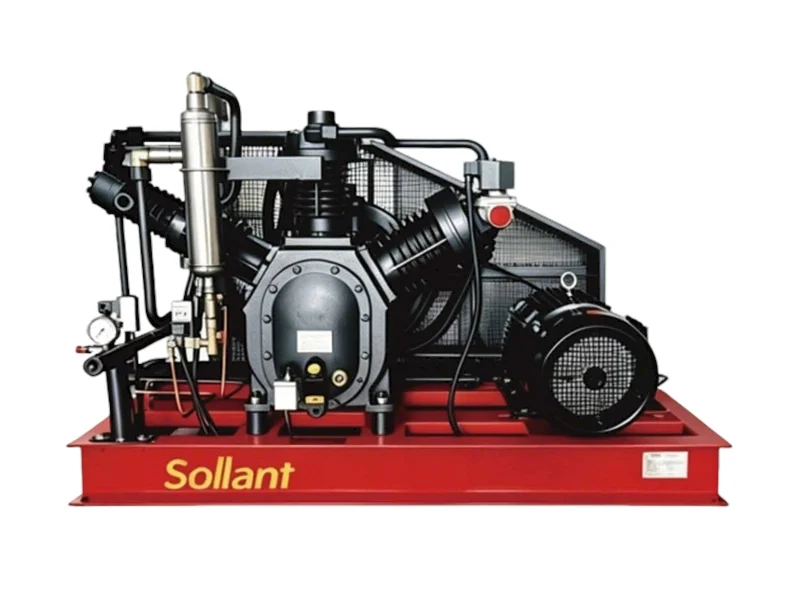
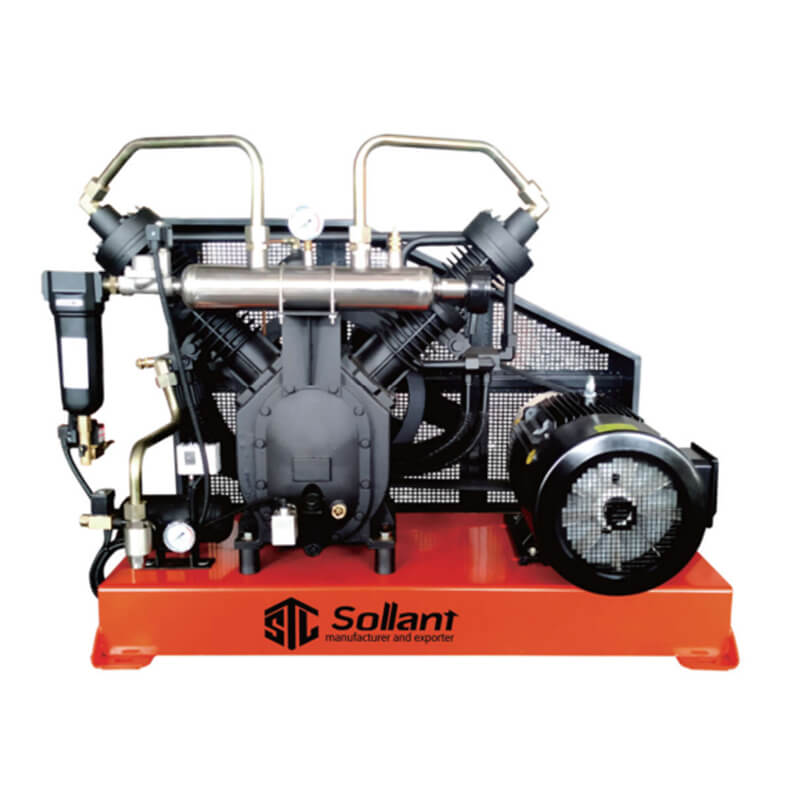
SLTPH-2.0/40 Oil-Free High-Pressure Piston Booster
Compact 30–40 Bar Booster for PET Bottle Blowing
A compact high-pressure booster for PET applications requiring 3.0 or 4.0 MPa discharge pressure. An oil-free design is available for applications with higher compressed-air purity requirements.
Best for: Moderate-flow, high-pressure PET applications
Why choose it
- Up to 40 bar discharge pressure
- Oil-free option available
- 0.6–6.0 Nm³/min airflow
- Low oil-level protection
- Direct-start configuration
Which PET Compressor Solution Is Right for You?
| Compressor Configuration | Oil-injected screw air compressor + oil-lubricated piston booster | Oil-free screw air compressor + Oil-free piston booster | Oil-injected high-pressure screw air compressor | Oil-free high-pressure piston booster |
| Pressure | 8–13 bar → 40 bar | 1–10 bar → 40 bar | 35–40 bar | 3.0 / 4.0 MPa |
| Air Flow | 0.6–6.0 Nm³/min | 10–40 m³/min | 3.5–23 m³/min | 0.6–6.0 Nm³/min |
| Power | 11–66 kW | 45–160 kW | 37–200 kW Standard compressed air | — |
| Air Quality | Standard compressed air | ISO 8573-1 Class 0 | Standard compressed air | Oil-free option |
| Best For | Small to medium PET blowing lines; cost-sensitive applications | High-purity PET production; large production lines; applications with strict oil-contamination requirements | Large PET plants; multiple blow molding machines; continuous high-pressure operation | High-pressure PET applications requiring oil-free air; dedicated booster applications |
| Key Advantages | Lower initial investment; flexible screw + booster configuration; 2/3-stage compression; suitable for moderate high-pressure demand | Completely oil-free compressed air system; high flow capacity; suitable for continuous high-volume production | Direct high-pressure air supply; no separate booster required; large capacity range; PM VSD option for energy-efficient operation | Up to 40 bar; oil-free design available; low-oil-level protection; direct start; compact high-pressure solution |
Get the Right Compressor — Not an Oversized One
Our engineers can recommend the compressor configuration based on your:
Bottle Size · BPH · Number of Cavities · Blow Molding Machine · Air Consumption · Required Pressure · Air Quality
Get Your Customized PET Compressor Recommendation
Technical Specifications
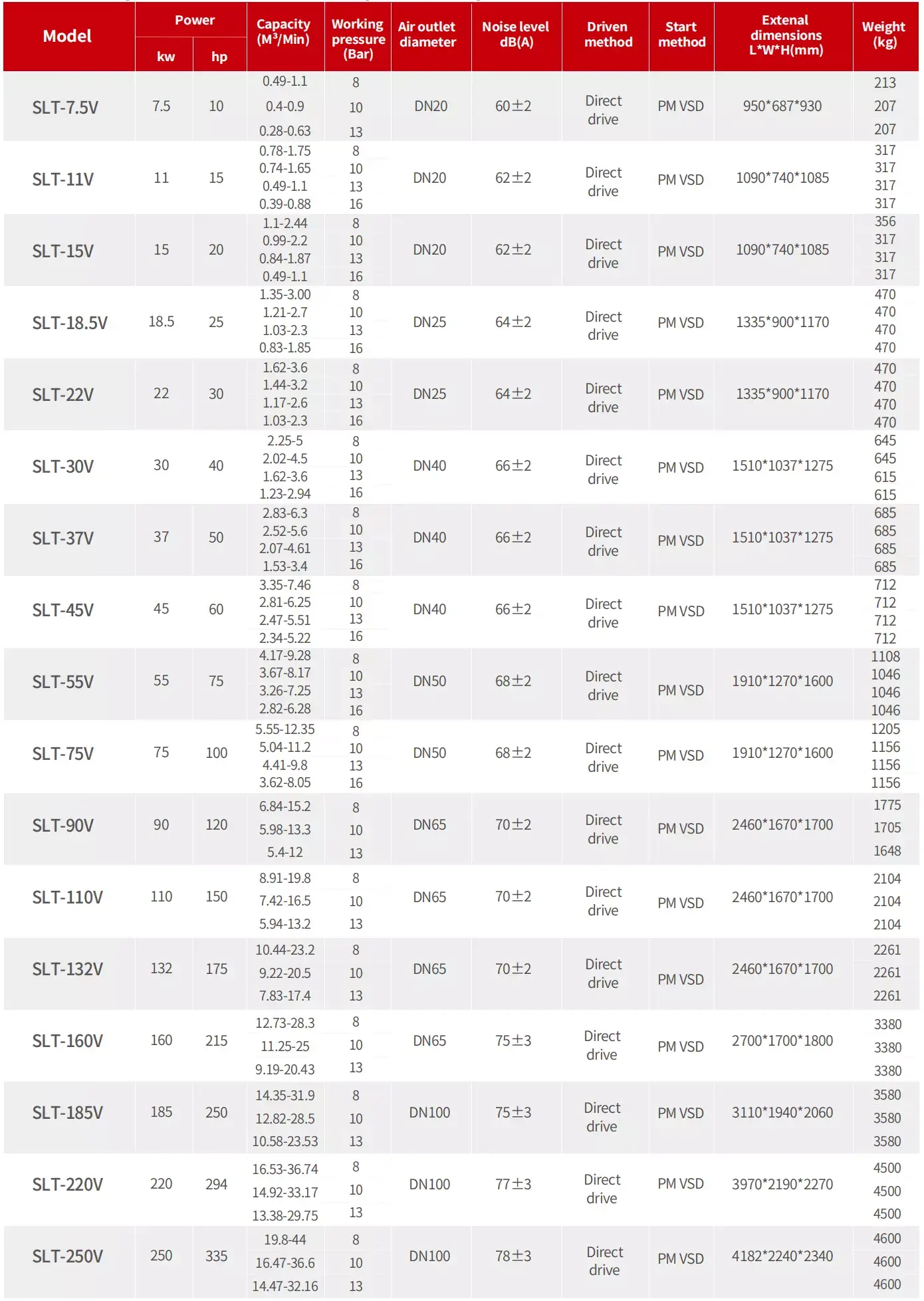
SLT-110V Oil-Injected Screw Air Compressor + SLTPH-2.0/40 Oil-Free Piston Booster Compressor
Technical Specifications of the SLT-110V Oil-Injected Screw Air Compressor
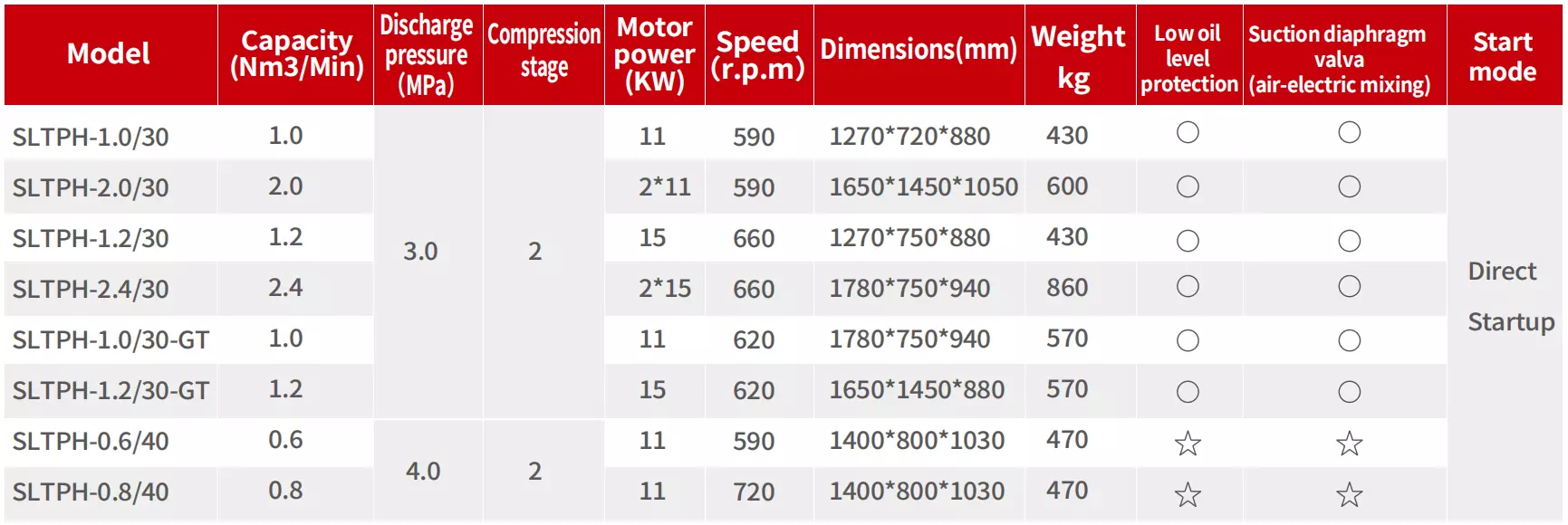
Technical specifications of oil-lubricated piston booster compressors
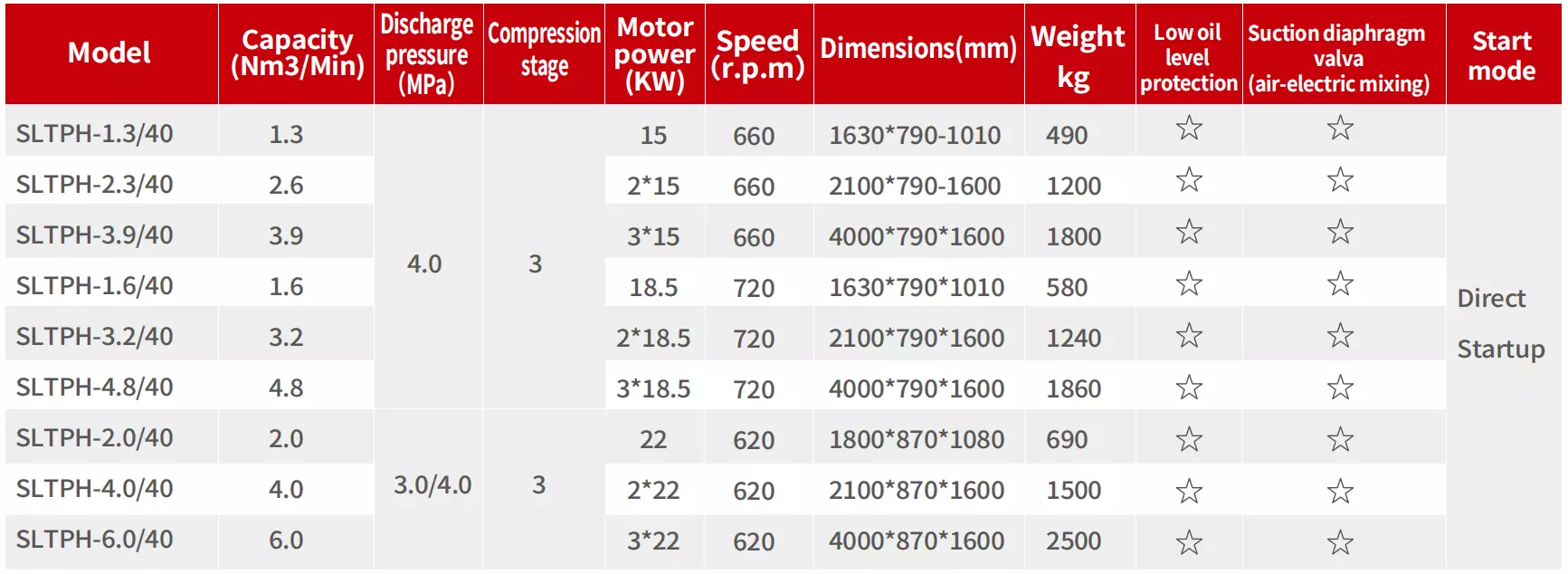
Technical Specifications for Oil-Free High-Pressure Piston Booster (Two-Stage)
Technical Specifications for Oil-Free High-Pressure Piston Booster (Two-Stage)
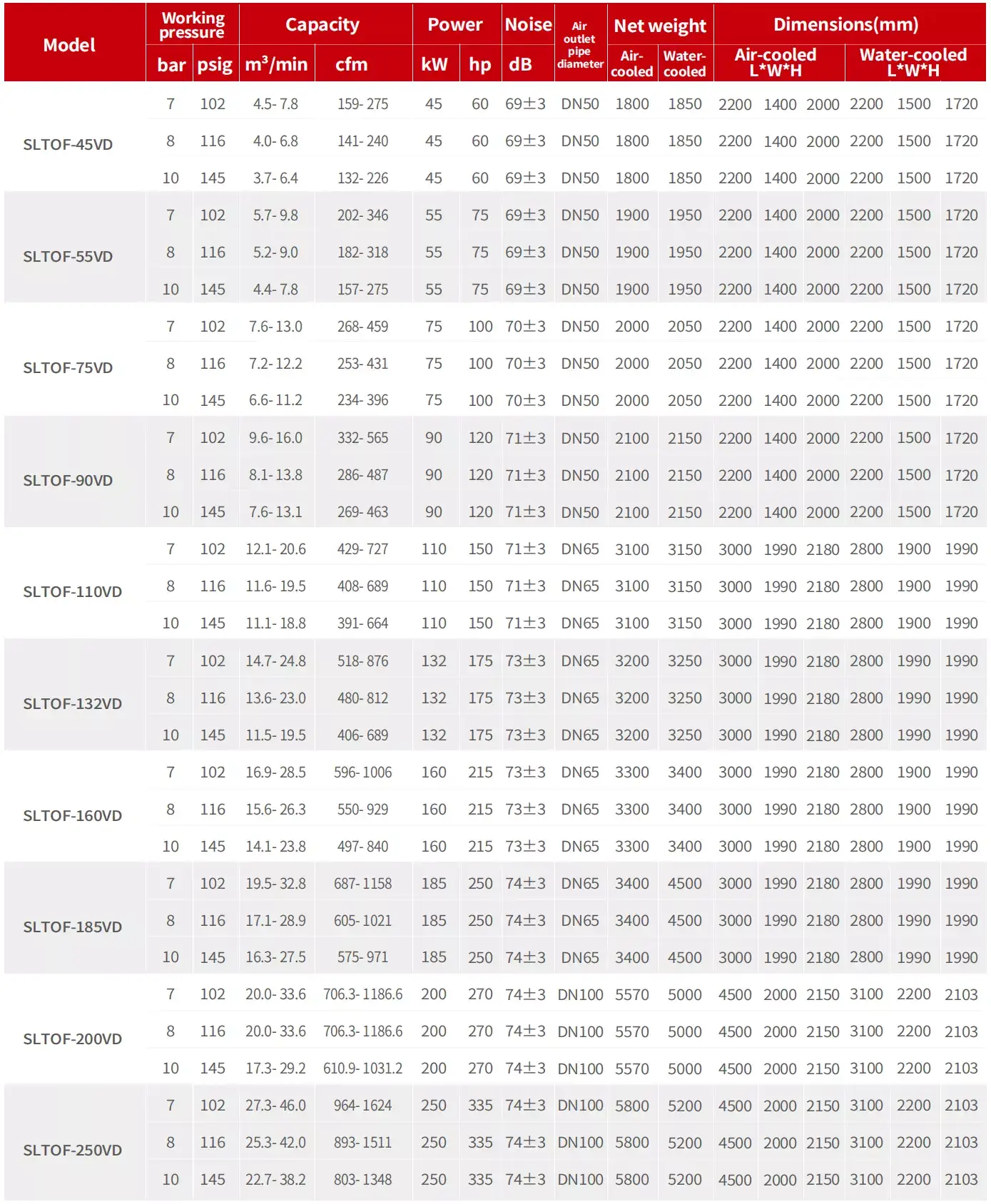
SLTOF-110FD Oil-Free Screw Air Compressor + SLTBF-25/8-40 Oil-Free Piston Booster Compressor
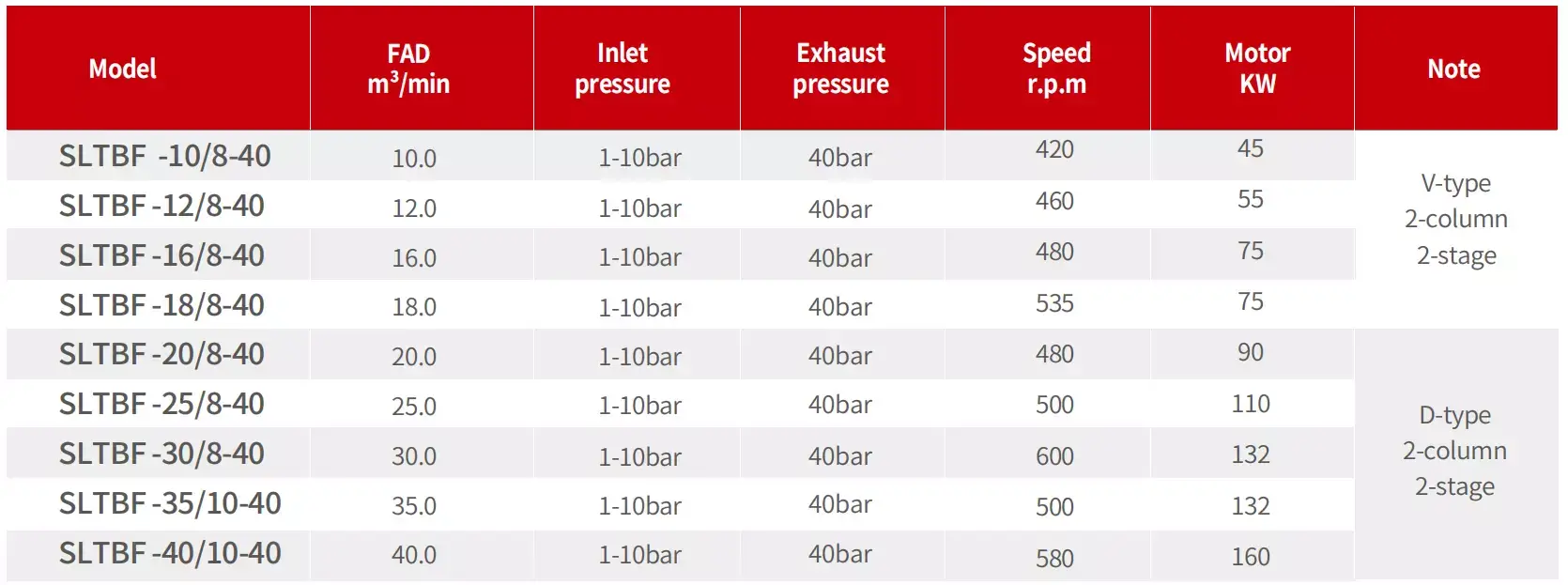
Technical Specifications for SLTOF-110FD Oil-Free Screw Air Compressor
Technical Specifications of Oil-Free Piston Booster Compressor
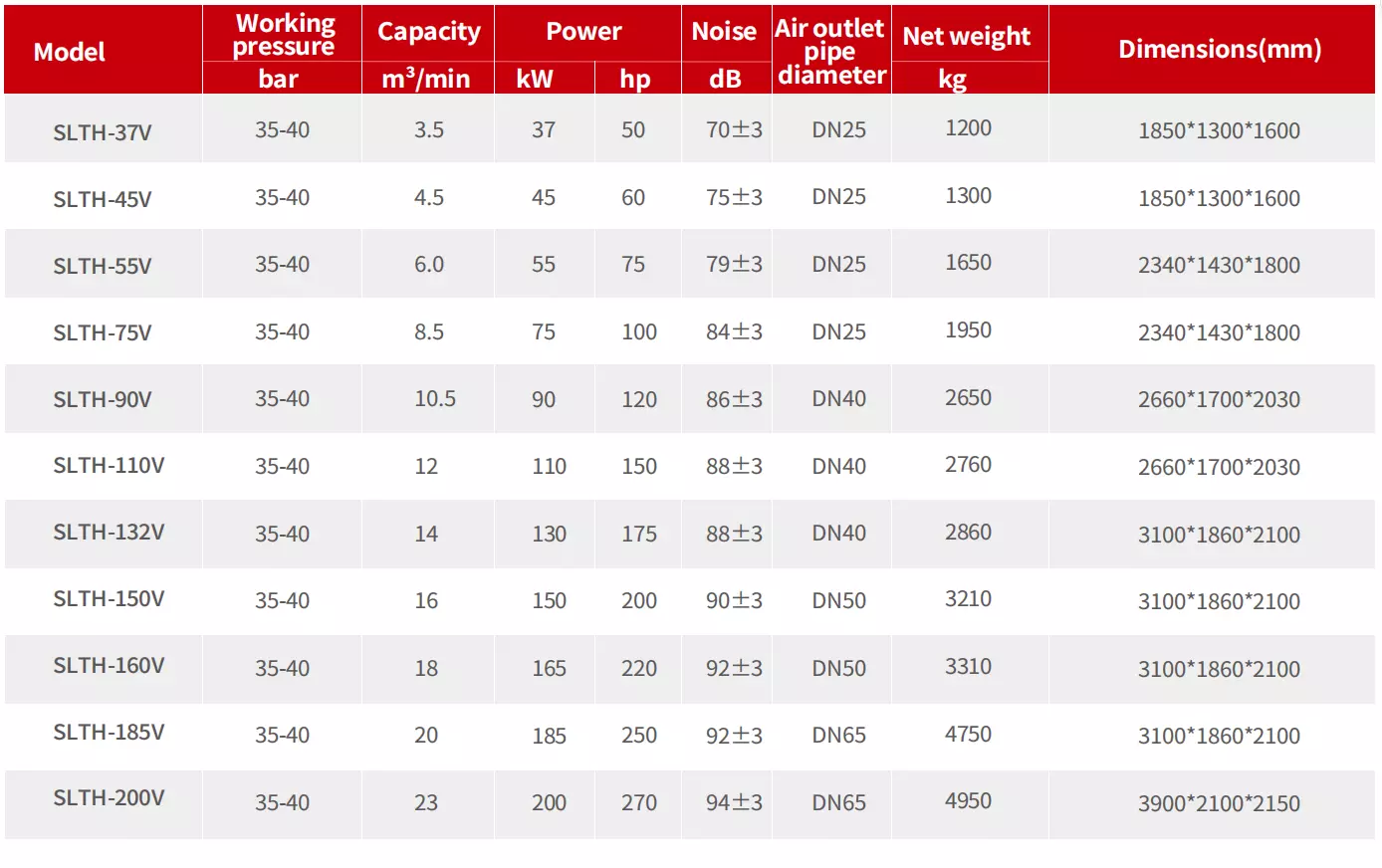
Technical Specifications for SLTH-110V Oil-Injected High-Pressure Screw Air Compressor
SLTPH-2.0/40 Oil-Free Piston Booster Compressor
Technical Specifications for Oil-Free High-Pressure Piston Booster (Two-Stage)
Technical Specifications for Oil-Free High-Pressure Piston Booster (Two-Stage)
Do You Really Need an Oil-Free Compressor for PET?
Not every PET bottle production line requires a fully oil-free compressed-air system.
The right choice depends on your air-quality requirements, PET application, production process, local regulations, customer specifications and total cost of ownership.
For some PET manufacturers, an oil-injected compressor combined with the appropriate air treatment and high-pressure booster can provide a reliable and cost-effective solution. For applications where a higher level of compressed-air purity is required, an oil-free compressor and oil-free booster may be the better choice.
| Key Factor | Oil-Injected Solution | Oil-Free Solution |
| Air Purity | Suitable when required air quality can be achieved with proper air treatment | Designed for applications requiring oil-free compressed air |
| Product Protection | Requires appropriate filtration and air treatment | Minimizes the risk of oil contamination from the compression process |
| Initial Investment | Lower | Higher |
| Operating Cost | Generally more economical | Higher initial cost, with different operating and maintenance requirements |
| Maintenance | Regular oil, filter and separator maintenance | No compressor oil contamination from the compression process |
| Production Requirements | Ideal for standard PET production requirements | Ideal for strict air-purity requirements |
| Best Choice When | Cost efficiency and flexibility are priorities | Air purity is a critical production requirement |
| Main Benefit | Cost-effective PET air supply | High-purity compressed air |
Need Help Choosing?
Tell us your PET production requirements and air-quality specification. Our engineers can help you compare the most suitable option for your application.
PET Compressor Project Case Studies
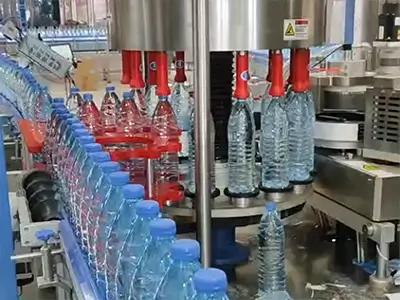
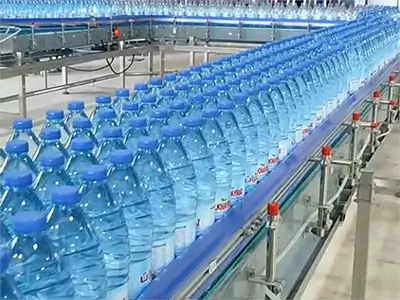
Russian PET Bottle Blowing Project
In the PET bottle blowing process, a stable, clean, and continuous supply of compressed air is crucial for ensuring preform molding quality and production efficiency. To meet the specific requirements for high-pressure air, continuous operation, and air quality for a PET bottle blowing project in Russia, we provided the client with a comprehensive compressed air solution.
Solution
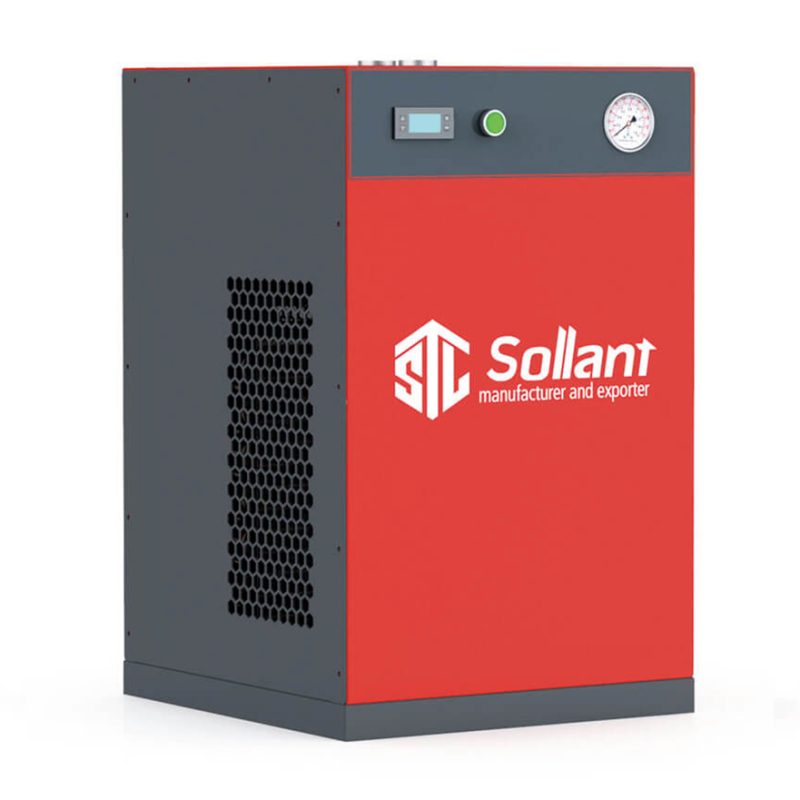
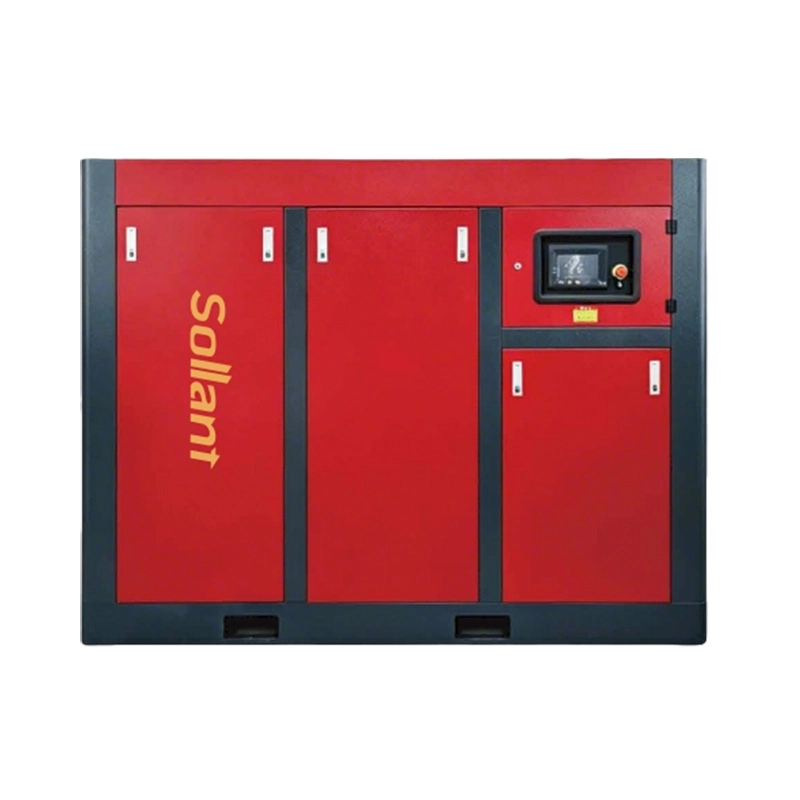
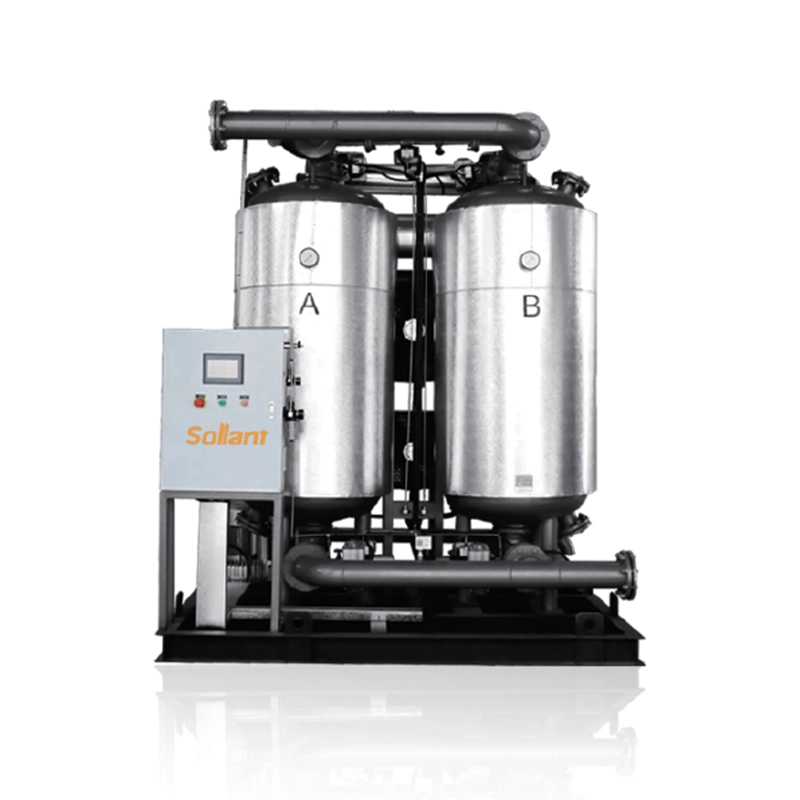
To address the varying demands for air pressure and quality in the PET bottle blowing process, the system utilizes an integrated configuration comprising a screw air compressor, a refrigerated dryer, a booster, and an adsorption dryer.
The screw air compressor provides a stable base supply of compressed air; the refrigerated dryer reduces moisture content; three boosters further increase the air pressure to meet the high-pressure requirements of the PET bottle blowing process; and the adsorption dryer further lowers moisture levels to satisfy the stringent air quality requirements of specific production stages.
Project Advantages
- Multiple screw air compressors operate in coordination to ensure a continuous and stable supply of compressed air to the production line.
- Three boosters are configured to meet the high-pressure air requirements of the PET bottle blowing process.
- The combination of refrigerated and adsorption dryers effectively controls moisture content, minimizing the impact of water vapor on production equipment and product quality.
- A complete, one-stop compressed air system is provided, covering everything from air compression, cooling, and drying to high-pressure boosting and deep drying.

-800x800.jpg "Oil Injected Screw AirCompressor11kw(2)")

.jpg)
Frequently Asked Questions
PET bottle blowing typically requires high-pressure compressed air for the final blowing stage, commonly around 30–40 bar, depending on bottle size, preform design, blow molding machine and production requirements.
The right compressor depends on the required pressure, air flow, number of blow molding machines, bottle volume, operating hours and air-quality requirements. Sollant can recommend a suitable compressor or compressor + booster configuration based on your production data.
A booster takes already compressed air from a low- or medium-pressure compressor and increases it to the pressure required for bottle blowing. This allows the high-pressure stage to focus only on the air that actually needs to be boosted.
It depends on the required air-quality standard and production process. For applications where compressed air can contact the bottle or packaging process, oil-free air can significantly reduce the risk of oil contamination.
Both configurations can be used. A low-pressure screw compressor + high-pressure booster can be a cost-effective solution when the plant also needs low-pressure air for other applications. The booster increases the pressure only where high-pressure air is required.
Oil-injected systems are generally more cost-effective and can be suitable for projects where the required air-quality level allows oil-injected technology with appropriate air treatment. Oil-free systems eliminate oil from the compression process and are preferred when stringent air-purity requirements are important.
Please provide the required pressure, air flow or blow molding machine model, number of machines, bottle volume, working hours, power supply and required air quality. If the exact flow is unknown, the machine model and production capacity are also helpful for system sizing.
Yes. Sollant can configure different PET compressed-air systems according to the customer’s pressure, flow, air-quality, budget and installation requirements, including standalone high-pressure compressors and low-pressure compressor + booster systems.
Request a Quick Quote Now
Order or No Order? We're here for you 24/7

