
Woodworking Industry
Sollant is deeply rooted in the woodworking industry, providing reliable air compression systems that deliver a stable, clean, and efficient air supply to facilitate the precise execution of every single process.
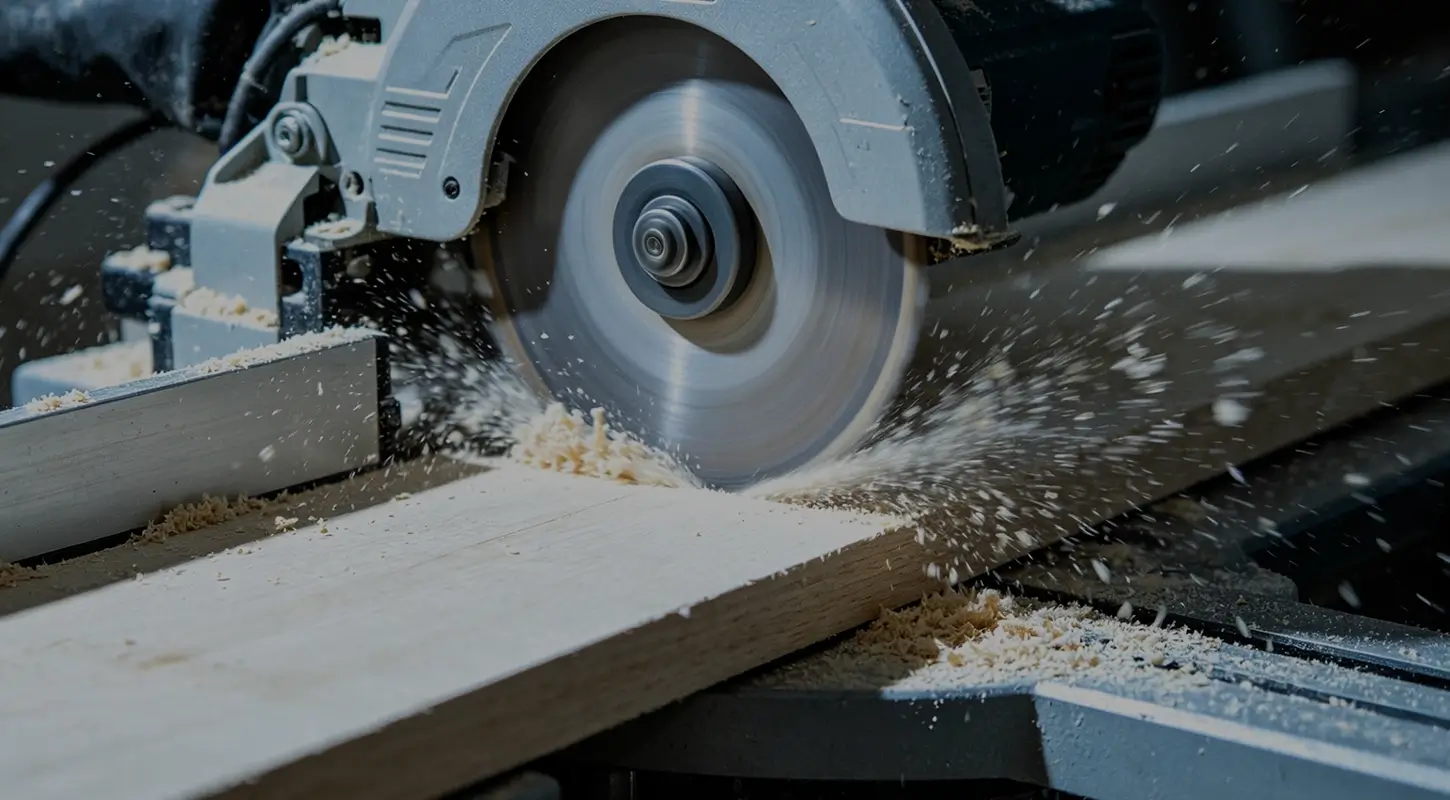
Industry Pain Points
Challenges Facing the Woodworking Industry

The woodworking industry confronts a series of unique challenges, the most prominent of which is the critical need for highly efficient and stable tools and equipment. Wood processing operations frequently entail handling a multitude of tasks—such as precision cutting, sanding, and shaping—all of which place extremely high demands on power supply systems. Traditional power sources are often incapable of meeting the modern woodworking industry’s requirements for high efficiency, low operating costs, and environmental sustainability. This is particularly critical within production line environments; tools that can maintain a stable operational state—thereby minimizing maintenance downtime and reducing failure rates—will directly translate into significant improvements in overall production efficiency.
Furthermore, the woodworking industry frequently encounters the following specific pain points:
- High Tool Failure Rates: Traditional power equipment is prone to mechanical failure, which disrupts workflow and delays production schedules.
- Excessive Energy Consumption: Inefficient power systems drive up energy consumption and inflate operational costs.
- Environmental Pollution Issues: Woodworking processes inherently generate substantial amounts of dust and airborne particulates; moreover, emission-related issues associated with traditional equipment are increasingly becoming a critical pain point for the industry.
The Functions of Compressed Air
The Importance of Compressed Air in the Woodworking Industry
Compressed air plays a pivotal role in the woodworking industry; it serves not only as a power source to drive various tools and equipment but also helps boost production efficiency, reduce maintenance costs, and enhance the safety and comfort of the work environment.
High-Performance Power: Compressed air provides robust and stable power to a wide range of woodworking equipment, ensuring efficient machine operation and minimizing downtime.
Clean and Eco-Friendly: Compressed air systems do not generate harmful exhaust fumes or pollutants; they comply with environmental regulations and help reduce environmental impact.
Energy-Efficient and Cost-Effective: Compared to traditional electric and fuel-powered systems, compressed air systems enable increased productivity while simultaneously lowering energy consumption.
Enhanced Precision: Through the use of pneumatic tools, woodworking operations can be executed with greater finesse and precision, minimizing human error and ensuring superior processing quality.
In the woodworking industry, an air compressor is far more than just a power tool; it is a core piece of equipment essential for boosting operational efficiency, reducing labor costs, improving the production environment, and safeguarding worker safety.
Applications in the Petrochemical Industry
Applications of Compressed Air in the Woodworking Industry
The applications of compressed air in the woodworking industry are extensive and critical, primarily encompassing the following areas:
Pneumatic Tool Operation: Driving tools such as pneumatic nail guns, brad nailers, staple guns, screwdrivers, and sanders to facilitate rapid and precise assembly and sanding operations, thereby significantly boosting assembly efficiency.
Surface Spraying and Finishing: Providing a stable air supply for HVLP and LVLP spray guns to ensure uniform paint films with strong adhesion, while preventing defects such as “fisheyes” and bubbles; widely used for the painting and UV coating of furniture, wooden doors, and cabinetry.
Dust Removal and Cleaning: Utilizing high-pressure air to purge workbenches, equipment crevices, and workpiece surfaces; when combined with dust collection systems, this effectively controls workshop dust levels and improves the working environment.
Automated Equipment Support: Supplying control air and clamping power to automated woodworking machinery—including CNC engraving machines, edge banders, panel saws, and sanding lines—to enable precise positioning and efficient operation.
Material Conveying and Handling: Facilitating tasks such as the pneumatic transport of wood chips, vacuum-suction positioning of panels, and the operation of pneumatic lifting and tilting devices, thereby enhancing material handling efficiency.
Other Applications: Supporting auxiliary processes within woodworking machinery, such as braking mechanisms, chip blowing, and drying treatments.
From small-scale woodworking workshops to large-scale furniture manufacturing plants, compressed air systems have become a fundamental pillar of support spanning the entire production workflow.

.jpg)


Why Choose Sollant Air Compressors?
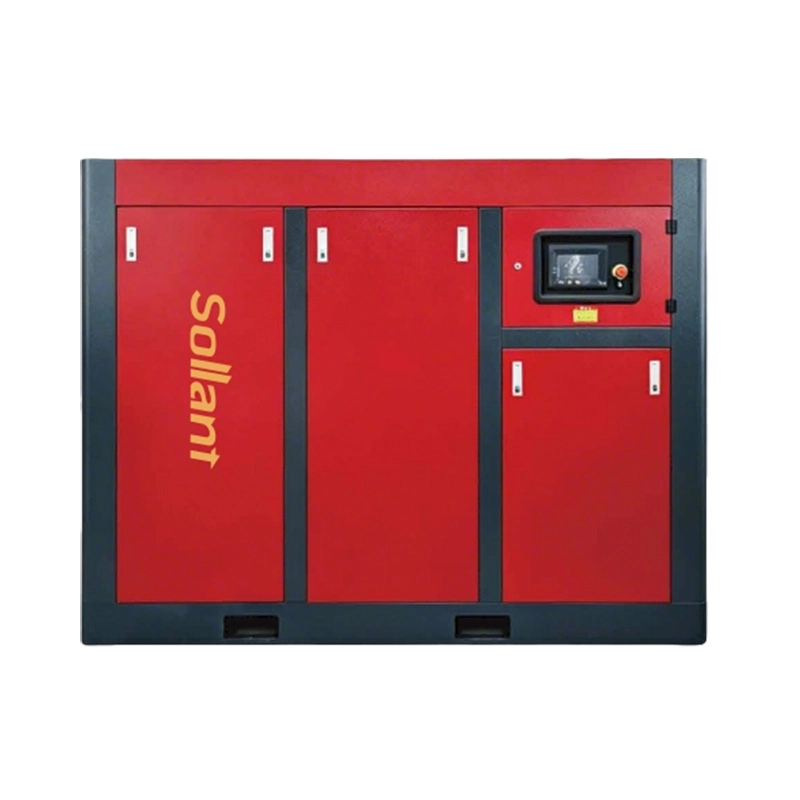
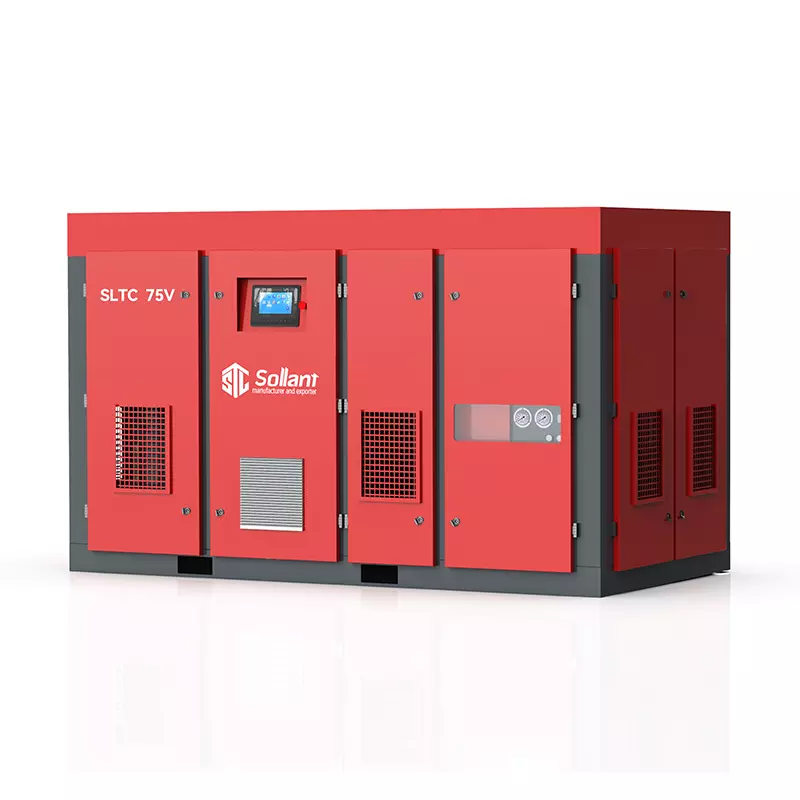
In the woodworking industry, the stability of the compressed air system and the quality of the air directly determine production efficiency, product surface finish, and overall operating costs. By choosing Sollant, you gain not merely a reliable air compressor, but a comprehensive compressed air solution—optimized specifically for woodworking environments—that is highly efficient, energy-saving, and clean, helping your business achieve cost reductions, efficiency gains, and quality enhancements.
High Efficiency and Energy Saving
Sollant air compressors utilize industry-leading, advanced screw technology, delivering exceptionally significant energy-saving results that substantially reduce operating costs.
Stability and Reliability
We provide high-quality equipment that has undergone rigorous testing, ensuring continuous and stable operation—even in high-intensity work environments—to minimize downtime.
Low Maintenance Costs
Our innovative design significantly and ingeniously reduces the complexity and frequency of maintenance, thereby ensuring that long-term operations remain highly cost-effective.
Customized Solutions
Based on specific client requirements, we offer personalized technical support and customization services to ensure our equipment integrates seamlessly into various woodworking production lines.
Air Compressors for the Woodworking Industry: FAQ
What precautions should be taken when using air compressors in the woodworking industry?
When utilizing air compressors in the woodworking industry, several key considerations should be kept in mind:
Air Quality: Compressed air must be thoroughly filtered and dried to prevent moisture, oil mist, or impurities from entering pneumatic equipment, which could lead to malfunctions or reduce the equipment’s service life. Installing air dryers and filters is recommended to ensure the air remains clean.
Appropriate Capacity and Pressure: It is crucial to select an air compressor that is appropriately sized for your production requirements. Different pneumatic tools and processes demand varying airflow rates and pressures; therefore, you must ensure that the compressor’s output capacity aligns with your actual operational needs.
Regular Maintenance: Although air compressors typically require simpler maintenance than other types of power equipment, regular inspections of components—such as oil levels, air filters, and pressure switches—remain essential. Routine maintenance ensures the equipment operates efficiently and reliably over the long term.
Environmental Temperature and Humidity Control: The operating environment for an air compressor should be kept as dry and well-ventilated as possible to prevent corrosion or equipment failure caused by excessive humidity.
Safe Operation: When operating an air compressor, ensure that the equipment remains within the correct pressure range and prevent any leaks of compressed air. Regularly inspect all connecting pipes and equipment to verify that there are no loose connections or signs of aging.
How to Choose the Right Air Compressor for the Woodworking Industry?
When selecting an air compressor for the woodworking industry, several key factors must be taken into account:
Pressure and Flow Requirements: Different woodworking tools and applications require varying levels of air pressure and flow. It is essential to select an air compressor that meets the aggregate demand of all pneumatic tools utilized on the production line. Generally, the standard pressure requirement in the woodworking industry ranges from 6 to 8 bar (approximately 90–115 psi).
Types and Quantity of Pneumatic Tools: If your operation involves a wide variety of pneumatic tools in large quantities, you should opt for an air compressor capable of delivering high airflow and stable pressure. Conversely, for a small-scale workshop, a more economical, compact piston-type compressor may suffice.
Energy Efficiency: Given the demanding, long-duration usage typical of the woodworking industry, selecting an energy-efficient compressor can significantly reduce long-term operating costs. Due to their high efficiency and stability, screw compressors are typically the preferred choice for large-scale woodworking facilities.
Brand Reputation and After-Sales Service: Choosing a compressor from a reputable brand ensures high equipment quality and reliable technical support. Brands such as Sollant offer comprehensive after-sales services, ensuring that any operational issues are resolved promptly.
Noise Levels: Woodworking environments require a certain degree of quietness; therefore, selecting a compressor with a low-noise design can effectively minimize noise pollution and enhance overall workplace comfort.
What advantages do screw air compressors offer over traditional piston-type compressors in the woodworking industry?
Traditional piston compressors are characterized by high noise levels, strong vibrations, and high energy consumption; furthermore, they require frequent start-stops, making them unsuitable for prolonged, continuous production operations.
In contrast, screw compressors—particularly permanent magnet variable frequency models—offer the following significant advantages:
Smooth operation and low noise levels (which can significantly improve the workshop environment);
Substantial energy savings: variable frequency models automatically adjust output based on air demand, potentially saving 20% to 35% on electricity costs;
Continuous and stable air discharge with minimal pressure fluctuations, meeting the precision requirements of pneumatic tools and spray-painting applications;
Extended maintenance intervals, low failure rates, and a longer overall service life.
For woodworking facilities operating for more than eight hours a day, screw compressors represent a more economical and reliable choice.
How should an air compressor be maintained and serviced during operation to extend its service life?
Proper maintenance is the key to ensuring the compressor’s long-term, stable operation. Key practices include:
Checking the oil level daily before startup, and regularly draining condensate from the air receiver tank;
Inspecting the air filter element weekly, and cleaning or replacing it promptly based on dust accumulation levels;
Replacing the lubricant and oil filter every 500 to 2,000 hours (depending on operating conditions);
Periodically checking the belt tension (for belt-driven units), the safety valve, and the pressure sensor;
Keeping the compressor room clean and dry, and avoiding environments characterized by high temperatures or high humidity.
Request a Quick Quote Now
Order or No Order? We're here for you 24/7

