
Chemical and Petrochemical Industry
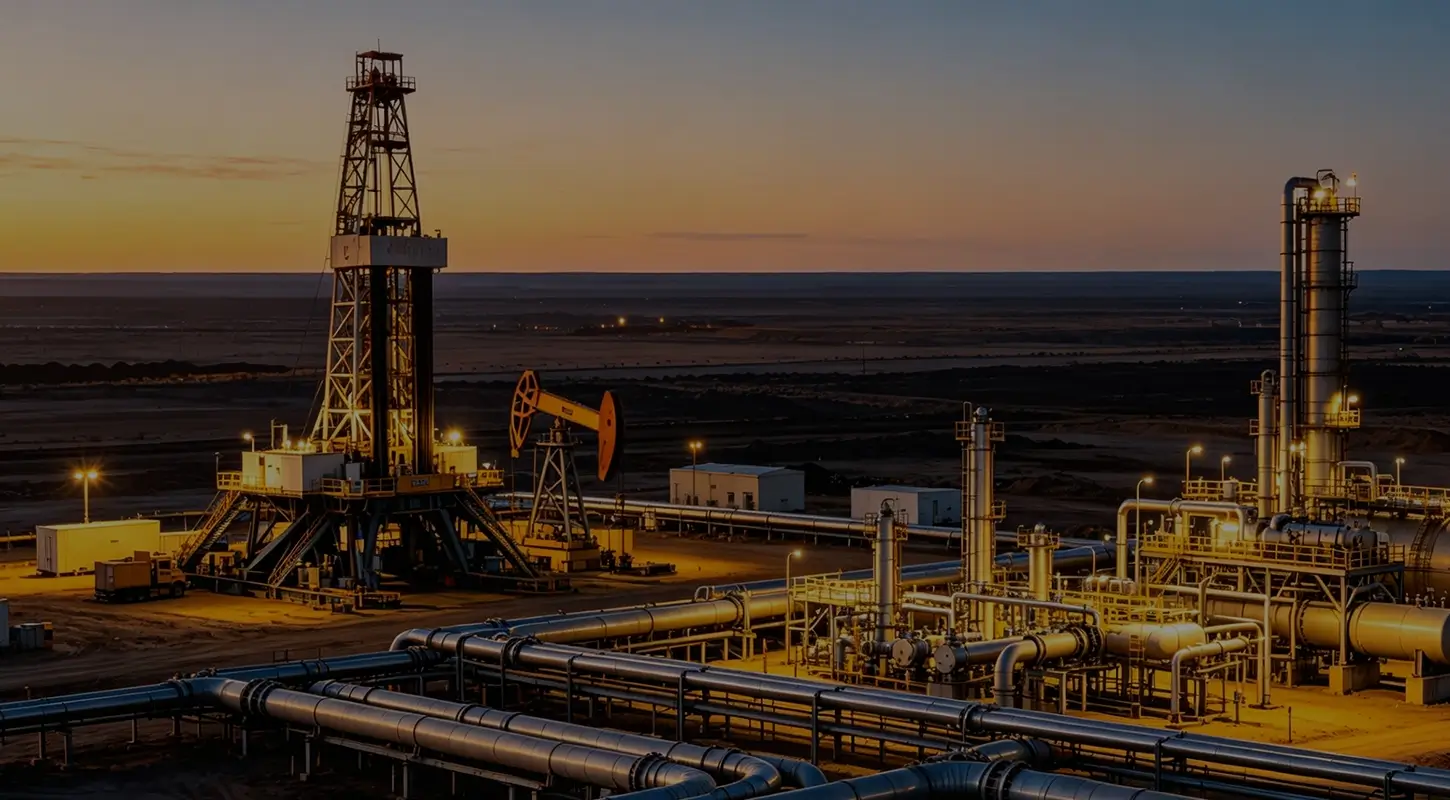
Sollant provides high-performance compressed air solutions, specifically designed to meet the rigorous safety and reliability requirements of oil, gas, and chemical processing facilities worldwide.
Industry Requirements
Why Does the Petrochemical
Industry Need Air Compressors?
Petrochemical production is characterized by high temperatures, high pressures, flammable and explosive conditions,and continuous operation, placing extremely high demands on air compressors:
- Safe and Continuous Productid
A failure in instrument air supply can directly lead to a plan-wide shutdown or even safety incidents. Air compressors must operate 24/7 without failure; redundant design and extremely high reliability are essential requirements. - Stringent Air Quality Requirements
IS0 8573-1 Class 0/1 standards mandate oil-free, moistur-free, and dust-free air to prevent catalyst poisoning, valve sticking, and pipeline corrosion. Air compressors must be equipped with precision after-treatment systems. - High-Temperature Corrosive Environments
Petrochemical sites feature high levels of salt fog and sulfides, with ambient temperatures reaching 50°C and above. Air compressors must feature IP55 protection,corrosion-resistant coatings, and high-temperature shutdown protection. - Extreme Energy Efficiency Requirements
Air compressor energy consumption accounts for 15%-30% of total energy use in petrochemical utility systems. Energy-efficient Class 1 units can save millions in annual electricity costs and reduce carbon emissions.
Industry Insights
Operating Conditions in the Petrochemical Industry
The petrochemical production environment is complex and unique, characterized by high-risk, continuous, highly corrosive, dusty, and flammable and explosive conditions. As a result, the requirements for the stability, safety, and durability of air compression equipment are far higher than those in ordinary industrial settings.
1. Flammable and Explosive High-Risk Environments
Refining and petrochemical facilities, storage tanks, and reaction workshops are classified as explosion-hazardous areas. Conventional air compressors are prone to generating sparks and static electricity, posing significant safety risks; therefore, related equipment must comply with explosion-proof, flame-proof, and anti-static requirements.
2. 24-Hour Uninterrupted Continuous Operation
Petrochemical production lines operate continuously throughout the year without interruption. Compressed air, serving as instrument air and power air, must never be interrupted. This requires air compressors capable of long-term full-load operation, low failure rates, and support for redundant backup systems to eliminate losses from downtime and production stoppages.
3. Highly Corrosive and Harsh Environmental Conditions
The air within the plant contains sulfides, acid and alkali mists, oil and gas vapors, and corrosive chemical compounds. These substances can easily corrode equipment housings, piping, motors, and core components, accelerating aging and damage. Therefore, the entire unit must be protected against corrosion, rust, and acid/alkali exposure.
4. High Dust Levels and Abundant Impurities
Production, handling, and refining processes generate substantial quantities of fine dust particles, which are highly prone to clogging filter elements, oil lines, and cooling systems—thereby reducing equipment lifespan and degrading air quality. Consequently, air intake filtration and sealing protection must adhere to elevated safety standards.
5. Significant Temperature and Humidity Fluctuations
The facility’s interior is subject to intense heat and direct sunlight, and the environment is humid; frequent temperature fluctuations can lead to poor heat dissipation, moisture damage to electrical circuits, and deterioration of lubricants. Enhanced heat dissipation, moisture protection, and weather-resistant measures are required.
6. Diverse Gas Applications with Stringent Quality Requirements
These encompass three major categories: power generation, instrumentation and control, and process support. Instrumentation gas must be free of water, oil, and dust, with extremely high purity standards, as it directly impacts the stable operation of valves, automated control instruments, and precision equipment.
Applications in the Petrochemical Industry
Air Compressor Solutions
Air compressors play a critical role in the petrochemical industry. Whether in refineries,fertilizer production, gas conversion, or petroleum refning, air compressors are widely used in gas compression,gas transportation, and control systems to ensure stable and effcient production processes. Our high-performance air compressor products meet the stringent requirements of the chemical and petrochemical sectors, providing you with reliable technical support.
Key Application Areas
Fertilizer Production: Ammonia.Urea. Nitric Acid
In fertilizer production, air compressors supply compressed air to drive critical equipment such as control systems, gas supply systems, and cooling systems, Precise pressure control ensures uniform gas mixing within reactors, thereby enhancing vield and product quality.
Refneries: MTBE, FCC
In refneries, air compressors are widely used in fluidized catalytic cracking (FCC) units for gas transportation, gas flow regulation, and steam recovery, ensuring effcient and energy-saving reaction processes. Additionally,gas treatment in the MTBE production process relies on high-effciency air compressors.
Gas-to-Liquids (GTL) and Coal-to-Liquids (CTL)
In GTL and CTL processes, air compressors play a critical role in syngas generation, gas compression, and recirculation systems ,ensuring stable gas pressure and enhancing reaction effciency.
Gaseous Aromatics Production: PTA, Phenol, Caprolactam, Maleic Anhydride
In gas-to-aromatics production, air compressors are responsible for supplying clean, dry air, ensuring an adequate supply of oxygen for reactions, and compressing gas in distillation and gas treatment systems.
Syngas Production:Hydrogen,Carbon Monoxid
In syngas production, air compressors are used to supply the required oxygen or air to reactors and provide a stable gas flow in the gas circulation system to improve gas conversion effciency.
Ethylene/Propylene and Polyolefn Production
In ethylene cracking and propylene production processes, air compressors are used not only to supply air to reaction furnaces but also for compression and gas regulation in gas recirculation systems, ensuring the stability and continuity of the production process.
Mechanical Steam Recovery (MSR)
In steam recovery systems, air compressors drive steam turbines to help recover energy from waste gases, thereby improving energy effciency and reducing resource waste.
Advantages of Our Solutions
High Effciency and Energy Savings
Our air compressors are designed using advanced technology to deliver highly efficient and reliable gas compression, alongside stable, long-term, and low-energy operation—thereby effectively and tangibly reducing your overall daily operating costs.
High Reliability
Tailored to the demanding requirements of the petrochemical industry, our air compressors offer exceptional durability and reliability, enabling continuous and stable operation under extrem conditions and minimizing downtime due to malfunctions.
Customized Solutiong
Whether you require standardized, mature products or customized solutions for complex, specialized operating conditions, we can provide a tailor-made air compressor system solution based on your specific process parameters and requirements.
Comprehensive Support
We provide not only high-quality products but also comprehensive technical support and services—covering every stage from equipment selection to maintenance—aimed at ensuring your equipment consistently operates at its optimal state.
Petrochemical Industry Air Compressor FAQ
How to Maintain Efficient Operation of an Air Compressor?
The key to maintaining efficient operation of an air compressor lies in regular maintenance and proper operation:
- Regular Inspections: Regularly check the oil level, filter elements, cooling system, and pipe seals to ensure the equipment is in optimal working condition.
- Replacing Consumable Parts: Consumables such as air filters and oil filters must be replaced on schedule to prevent a decline in air quality or system damage.
- Cleaning and Maintenance: Regularly clean the compressor’s cooling system and air intake to ensure proper ventilation.
- Smart Monitoring: Modern air compressors are typically equipped with remote monitoring systems that detect equipment status in real time and provide early warnings of potential failures, helping to prevent unexpected shutdowns.
Sollant offers comprehensive after-sales service and technical support to assist customers with equipment maintenance and upkeep.
What are the specific requirements for air compressors in the petrochemical industry?
In the petrochemical industry, due to the high temperatures, pressures, and corrosive nature of gases involved in production processes, air compressors must offer superior durability and reliability. Specific requirements include:
- High-temperature and high-pressure resistance: Petrochemical production often requires operation under high-temperature and high-pressure conditions, so air compressors must possess the necessary temperature and pressure resistance.
- Explosion-proof design: Certain petrochemical processes generate flammable and explosive gases, so air compressors must incorporate explosion-proof designs to ensure operational safety.
- Gas purity requirements: Certain specialized processes require air to meet specific purity standards. Compressors must be equipped with accessories such as air dryers and moisture separators to ensure the supply of clean, dry air.
- Equipment stability: Given the petrochemical industry’s strict requirements for equipment stability and continuous operation, compressor systems must be highly reliable to prevent production disruptions caused by downtime.
How to Choose the Right Air Compressor for the Petrochemical Industry?
When selecting an air compressor, the following factors should be considered:
- Air Demand: Based on the scale of the petrochemical production line and specific process requirements, select an air compressor with the appropriate air delivery capacity and pressure range.
- Operating Environment: Production environments in the petrochemical industry are typically harsh, requiring air compressors capable of withstanding high temperatures, high humidity, and corrosive conditions.
- Energy Efficiency Requirements: The petrochemical industry typically requires long-term, stable operation, making energy savings and reduced operating costs key considerations during selection. Sollant offers high-efficiency, energy-saving compressors to help customers lower their energy expenses.
- System Compatibility: When purchasing a compressor, compatibility with existing production systems must also be considered to ensure the air compressor can be seamlessly integrated into current production processes.
Sollant’s technical team provides professional consulting services to help customers select the most suitable air compressor model based on their specific needs.
How Should Air Compressors Be Maintained?
To ensure the long-term, stable operation of air compressors, regular maintenance is essential. Common maintenance tasks include:
- Replacing the air filter: The air filter removes dust and impurities from the air. Replacing it regularly helps maintain air quality and extends the compressor’s service life.
- Checking the lubrication system: Lubricating oil effectively reduces friction inside the compressor. Regularly checking the oil level and replacing the oil promptly ensures smooth operation of the equipment.
- Cleaning the Cooling System: Keeping the cooling system clean ensures the equipment operates efficiently even in high-temperature environments and prevents damage caused by overheating.
- Inspecting the Exhaust System: Regularly inspect the exhaust system’s pipes, seals, and other components to ensure there are no leaks.
- Smart Diagnostics: Utilize a smart control system to monitor the equipment online, diagnose its operating status in real time, and make timely adjustments based on data feedback.
How Can the TCO of Air Compressor Systems in the Petrochemical Industry Be Reduced?
Total Cost of Ownership (TCO) refers to all expenses incurred by an enterprise throughout the entire lifecycle of a piece of equipment—including procurement, installation, operation, and maintenance costs. By selecting highly efficient and energy-saving compressors, designing systems rationally, and implementing regular maintenance and operational optimization, companies can significantly reduce their TCO. Sollant air compressors not only feature low initial purchase and installation costs but also utilize energy-saving technologies and intelligent management systems to substantially minimize subsequent operating and maintenance expenses, thereby effectively controlling TCO.

Project Cases
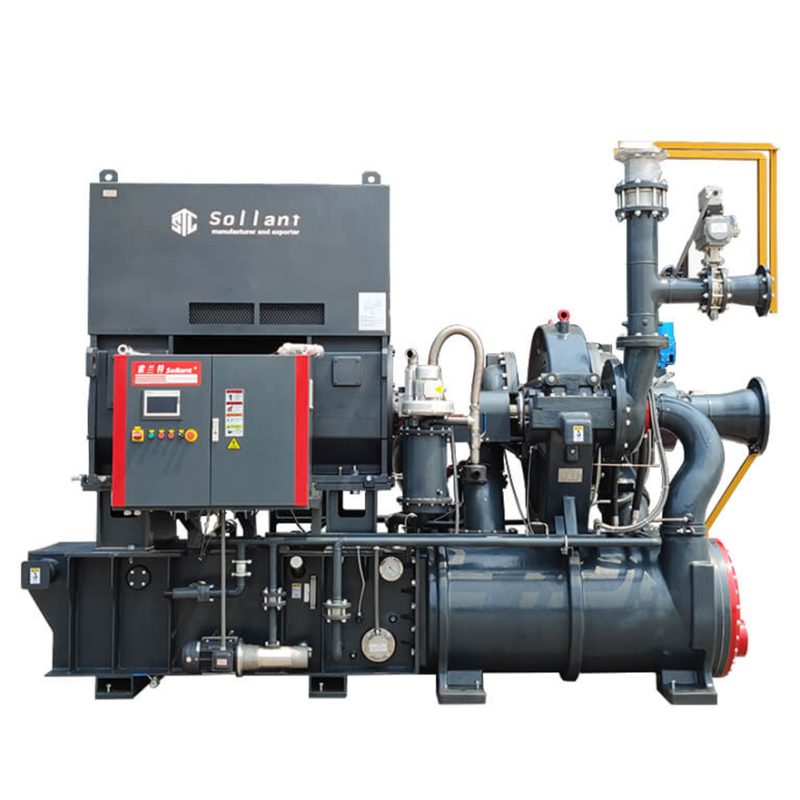
Kazakhstan’s TBM Oil & Gas Company successfully achieved a stable natural gas processing capacity of 250,000 cubic meters per day by utilizing Sollant reciprocating natural gas compressors. Leveraging high-efficiency reciprocating compression technology, the compressors adapted to local complex operating conditions and ensured continuous, long-term operation; this enabled TBM to boost daily output while reducing operation and maintenance costs, earning high praise from the client.

-800x800.jpg "Oil Injected Screw AirCompressor11kw(2)")

Request a Quick Quote Now
Order or No Order? We're here for you 24/7

