
Air Compressor for Sandblasting and Painting Applications
Reliable Compressed Air Solutions for Abrasive Blasting, Spray Painting and Surface Treatment
Sollant provides high-performance air compressors designed for sandblasting, media blasting and industrial painting applications. Our portable diesel screw compressors deliver stable airflow and reliable pressure for continuous surface preparation operations.
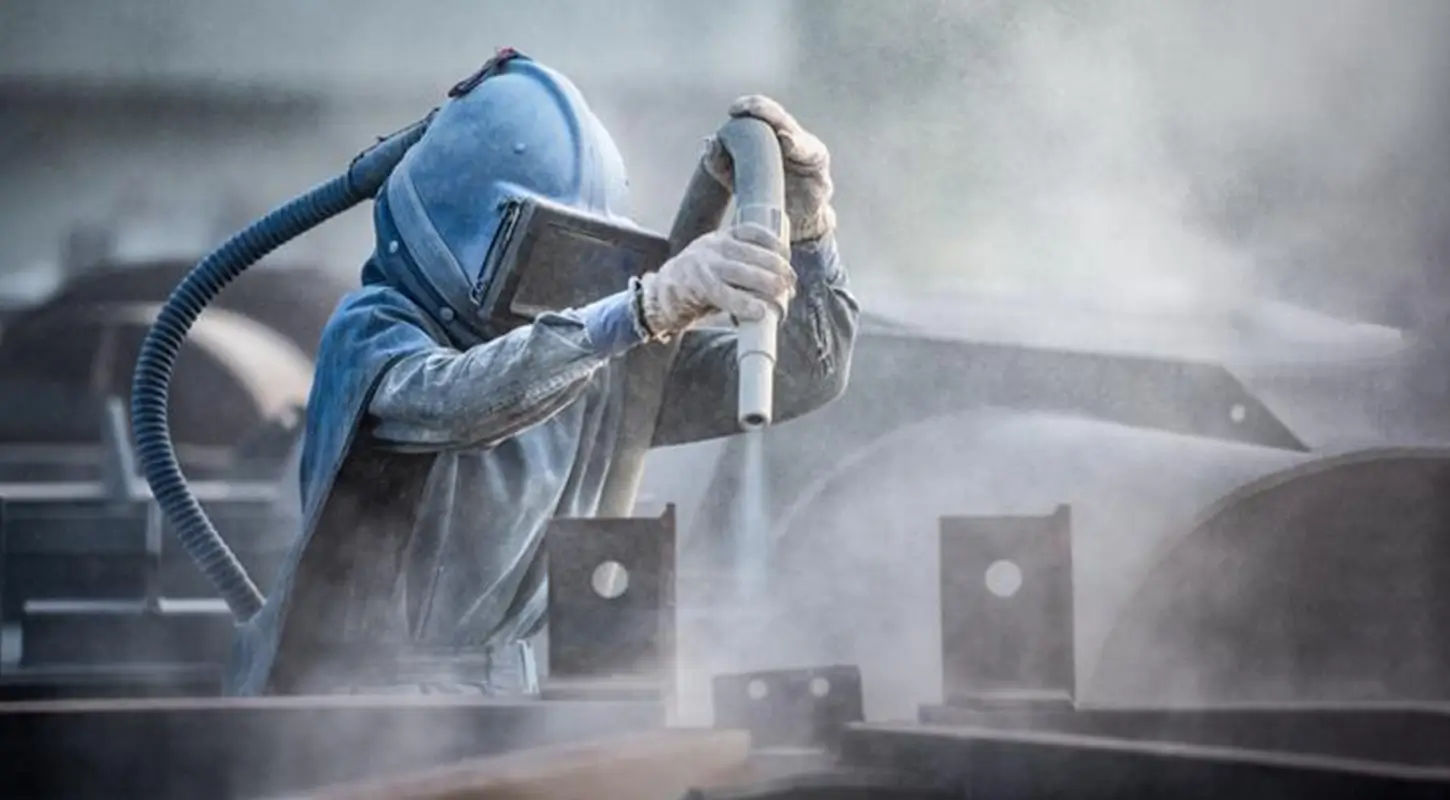
Sandblasting Air Supply Requirements
Sandblasting performance depends on more than compressor pressure. A reliable abrasive blasting system needs sufficient airflow, stable working pressure, continuous-duty capability, and clean, dry compressed air.
The right air compressor should be selected according to your blasting nozzle size, working pressure, number of blast guns, operating environment, and required blasting time.
Sufficient Airflow
Match the compressor to your nozzle size and blasting demand.
Insufficient airflow can cause pressure drops, reduced abrasive velocity, and slower blasting. Choose a compressor with adequate CFM / m³/min for your application.
Stable Working Pressure
Keep pressure consistent from the compressor to the blast nozzle.
Common industrial requirements include 8, 10, and 13 bar. Proper compressor sizing helps minimize pressure fluctuations and maintain consistent blasting results.
Continuous-Duty Performance
Built for long hours of industrial sandblasting.
Shipyards, steel fabrication, construction, and surface preparation often require continuous compressed air. A properly sized compressor provides a reliable air supply for extended operation.
Clean & Dry Air
Protect your abrasive media and blasted surfaces from moisture.
Moisture can cause abrasives to clump and may trigger flash rusting. Contamination by oil and moisture can also compromise surface preparation and the quality of subsequent coating applications.
Air Treatment System
Dryer + Oil Remover + Precision Filters for better air quality.
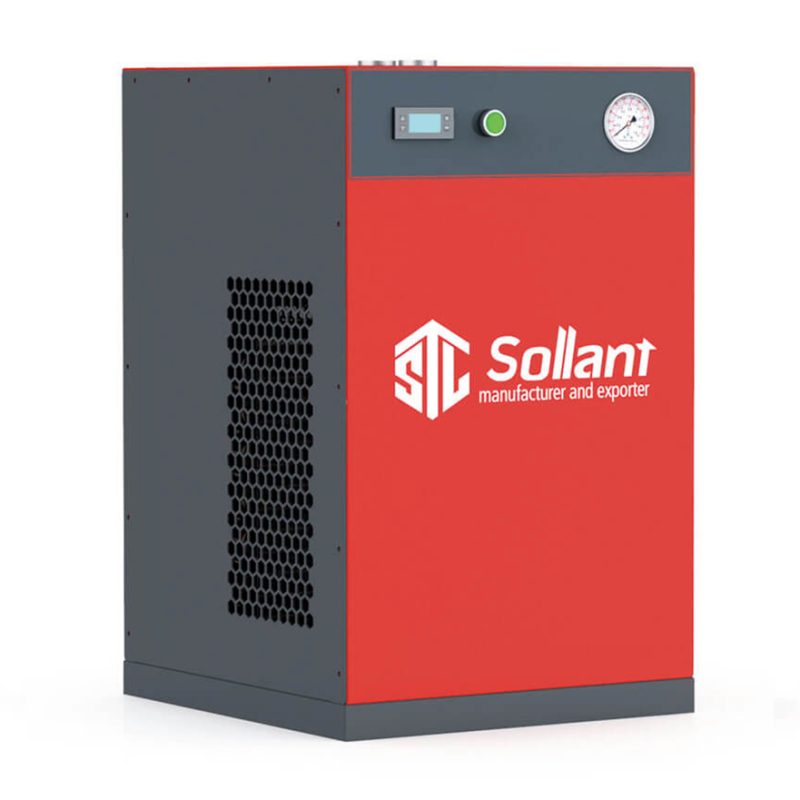
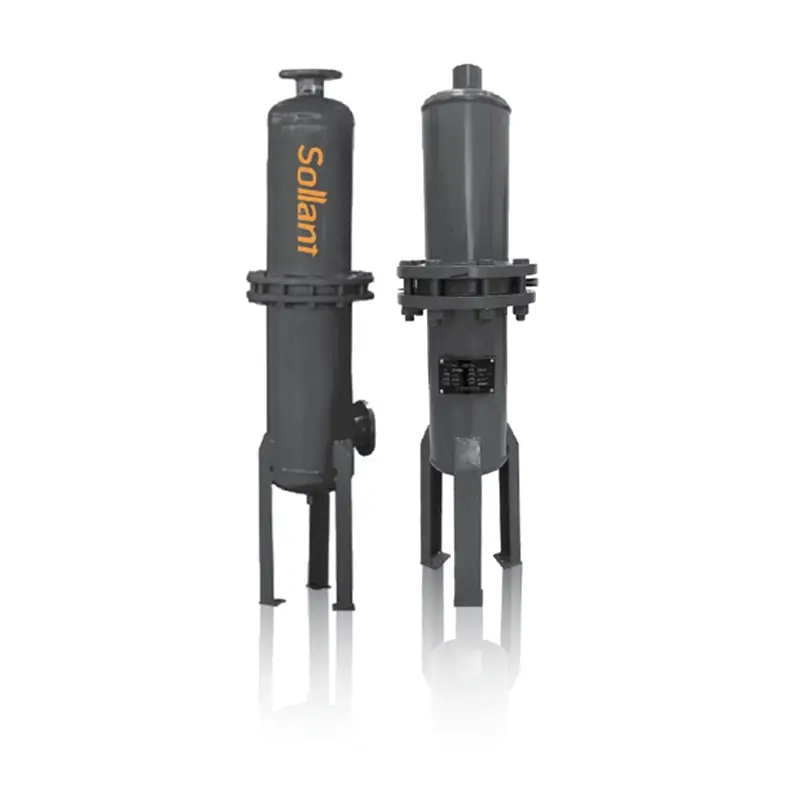
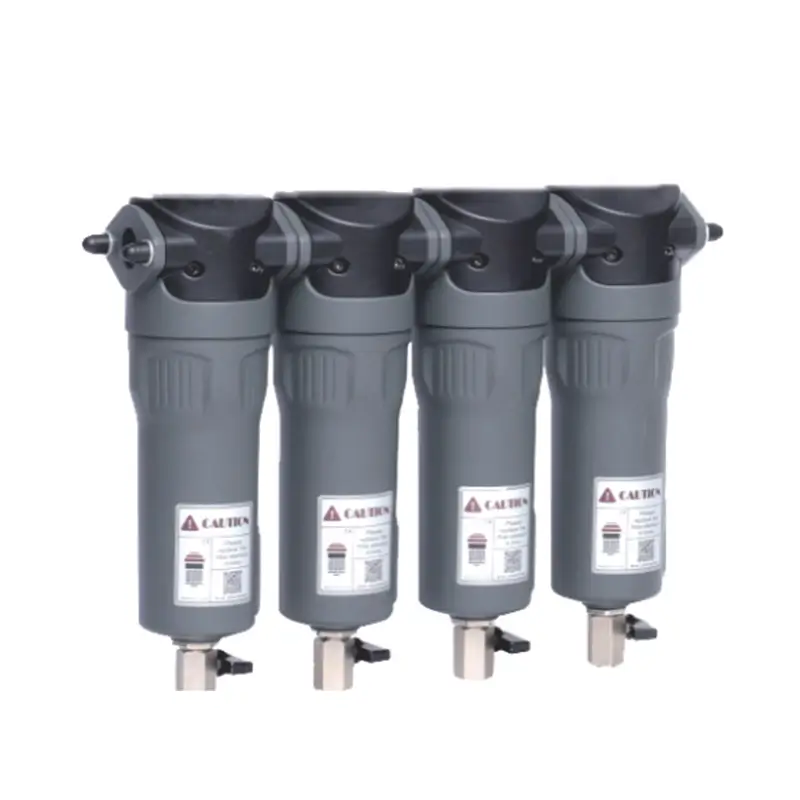
For moisture-sensitive sandblasting applications, Sollant can configure a complete air treatment system comprising a refrigerated dryer, a high-efficiency oil remover, and precision filters.
Proper Compressor Sizing
Nozzle size, pressure, and number of blast guns determine your air demand.
Not sure which compressor you need? Send us your nozzle size, working pressure, number of blast guns, and application. Our engineers will recommend a suitable compressor configuration.
Choose the Right Sandblasting Air Compressor
Different blasting and painting environments require different compressed air solutions. Selecting the right compressor type helps improve production efficiency, maintain consistent quality, and reduce operating costs.
We provide customized industrial air compressor solutions based on your application requirements, including factory blasting systems, outdoor blasting projects, and high-quality painting operations.
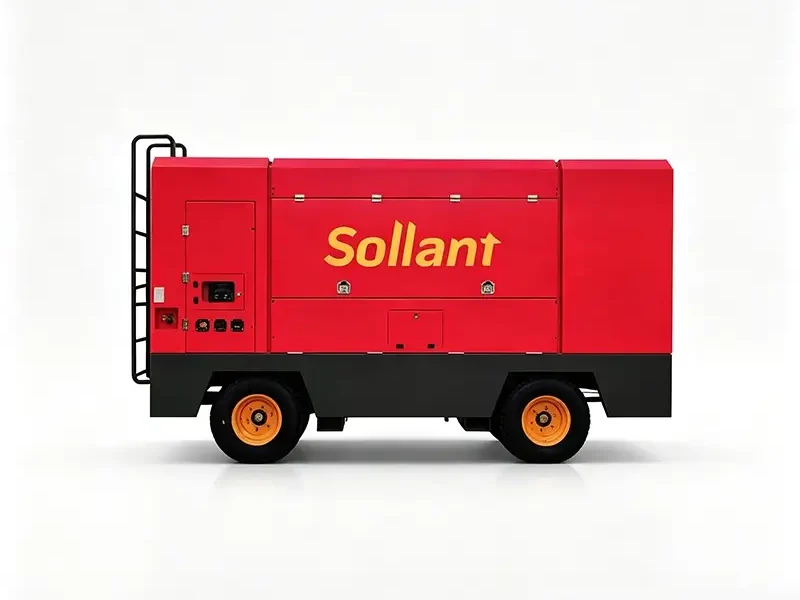
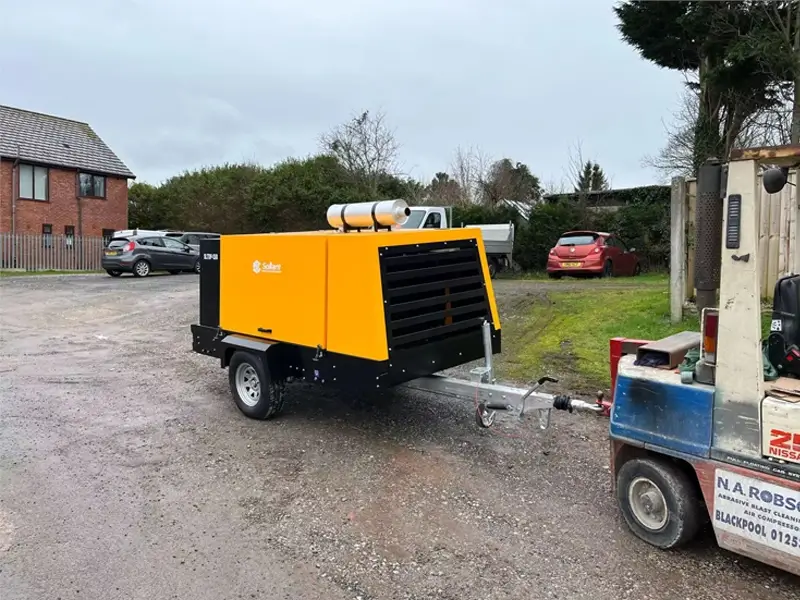
SLTDP-17/8 Portable Diesel Screw Air Compressor
17 m³/min | 8 bar | Diesel Powered
Designed for sandblasting operations where compressed air needs to be supplied directly at the jobsite.
- Mobile diesel-powered design
- Suitable for outdoor and remote jobsites
- Ideal for shipyards, construction sites and steel structures
Best for: Shipyard blasting · Outdoor blasting · Construction · Pipeline & Steel Structure Maintenance
SLT-90F Oil-Injected Fixed-Speed Screw Air Compressor
12.35–15.2 m³/min | 8 / 10 / 13 bar | 90 kW
A high-flow stationary solution for factories and industrial applications requiring stable compressed air for continuous sandblasting.
- Designed for continuous operation
- Suitable for high-volume abrasive blasting
Best for: Steel fabrication · Industrial workshops · Continuous blasting · Surface preparation
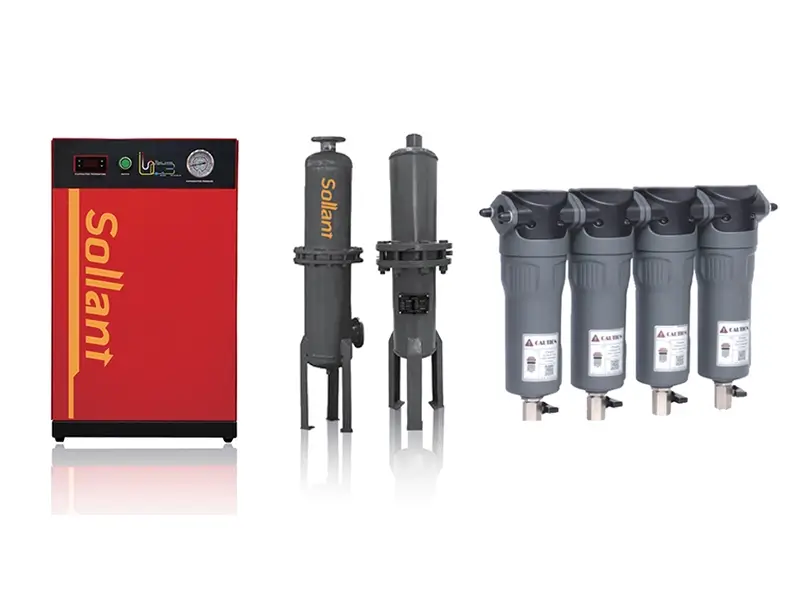
Refrigerated Air Dryer + Oil Remover + Precision Filters
Pressure Dew Point: 2–10°C
Protect your blasting process from moisture and oil contamination with a complete compressed air treatment system.
- 2–10°C pressure dew point options
- Helps reduce moisture-related abrasive problems and surface contamination
Best for: Moisture-sensitive blasting · Painting preparation · Steel surface treatment · High-quality surface preparation
Need Help Choosing?
Not sure which sandblasting compressor is right for your application?
Send us your nozzle size, working pressure, number of blast guns, and application. Our engineers will recommend the appropriate compressor and air treatment configuration.
How Much CFM Do You Need for Sandblasting?
Choosing the correct CFM is critical when selecting an air compressor for sandblasting. The required airflow depends on your nozzle size, working pressure, blasting duration, and application conditions.
An undersized compressor can cause pressure drops, unstable blasting performance, and reduced productivity. Sollant helps customers select the right compressor capacity for different sandblasting applications.
Sandblasting Compressor CFM Guide
| Nozzle Size | Typical Application | Recommended Airflow* |
| 3–4 mm | Light-duty blasting & small surface preparation | 50-150 CFM (1.4-4.2 m³/min) |
| 5–6 mm | General sandblasting operations | 150-300 CFM (4.2-8.5 m³/min) |
| 8 mm | Industrial blasting & steel surface preparation | 300-500 CFM (8.5-14.2 m³/min) |
| 10 mm | Heavy-duty blasting operations | 450-700 CFM (12.7-19.8 m³/min) |
| 12–13 mm | Large-scale shipyard & steel structure blasting | 700-1000+ CFM (19.8-28.3+ m³/min) |
*Actual air consumption varies with nozzle design, operating pressure, abrasive media, nozzle wear, hose length, and working conditions. Confirm the required CFM with your blasting equipment manufacturer before selecting a compressor.
Need Help Choosing the Right Sandblasting Compressor?
Tell us:
✓ Nozzle size
✓ Required pressure
✓ Number of blasting guns
✓ Working hours per day
Our engineers will calculate the required airflow and recommend the most suitable compressor solution.
Inquire Now to Get Your Customized Compressed Air Solution for Sandblasting
Why Dry & Clean Air Matters in Sandblasting
Protect Blasting Quality with Clean and Moisture-Free Compressed Air
Compressed air quality plays a critical role in sandblasting performance.
During blasting operations, moisture, oil, and impurities in compressed air can negatively affect abrasive flow, surface preparation quality, and final coating results.
A reliable sandblasting system requires not only sufficient airflow but also dry, clean, and stable compressed air.
Problems Caused by Wet or Contaminated Compressed Air
💧
1. Moisture Causes Abrasive Blockage
Water in compressed air can make abrasive materials:
- Stick together
- Reduce flow consistency
- Block blasting nozzles
Result:Lower blasting efficiency and increased downtime.
⛽
2. Oil Contamination Affects Surface Quality
Oil particles from compressed air may contaminate the blasted surface.This can lead to:
- Poor coating adhesion
- Surface defects
- Rework costs
For painting and coating applications, clean compressed air is essential.
💨
3. Unstable Air Quality Reduces Productivity
Wet and contaminated air may cause:
- Uneven blasting performance
- Pressure fluctuations
- Inconsistent surface preparation
Stable air quality helps maintain consistent blasting results throughout long working hours.
Complete Sandblasting Air Quality Solution
Whether you operate a portable diesel sandblasting system or a fixed industrial blasting line, Sollant can provide a complete compressed air package:
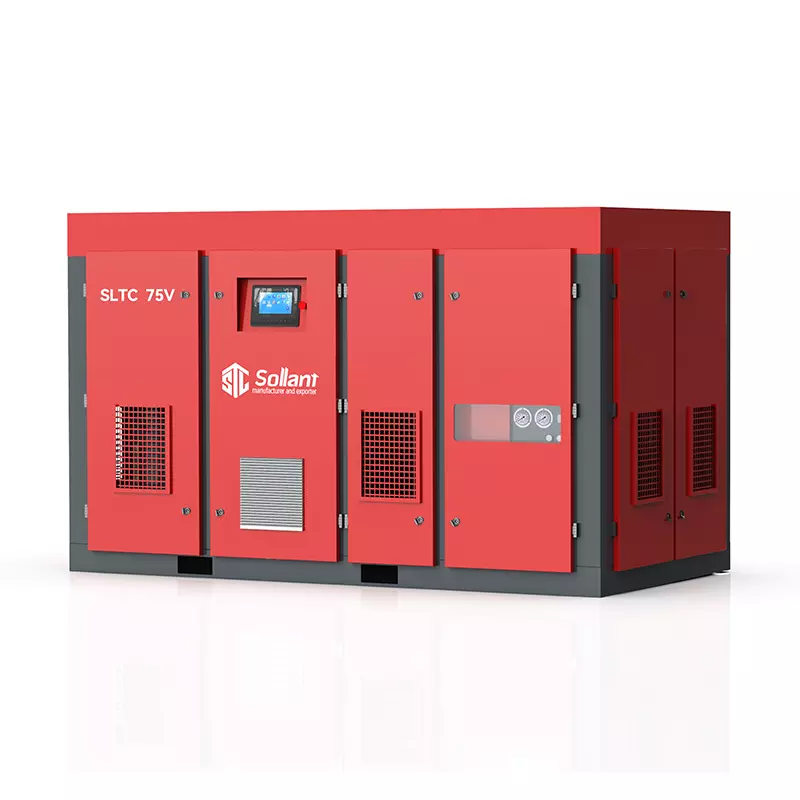
✓ Air Compressor
✓ Refrigerated Dryer
✓ High-Efficiency Oil Remover
✓ Precision Filters
Get a reliable sandblasting air system designed for your application.
Request Your Compressed Air Solution Today

-800x800.jpg "Oil Injected Screw AirCompressor11kw(2)")
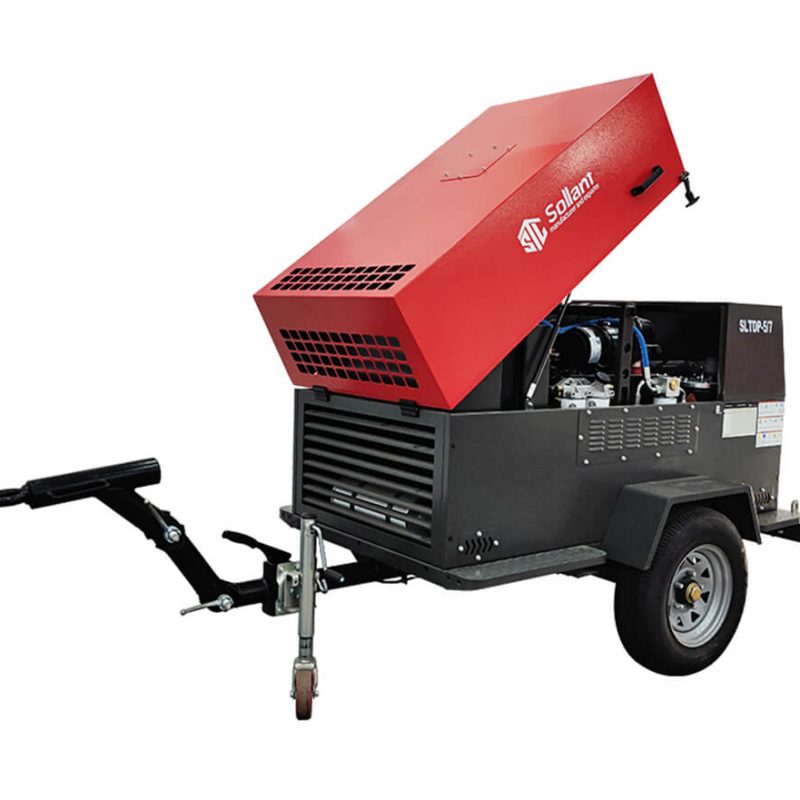
Application Industries
Reliable Compressed Air Solutions for Different Sandblasting Industries
Sandblasting is widely used for surface cleaning, rust removal, coating preparation, and finishing applications.
Sollant provides reliable sandblasting air compressor solutions for various industries, delivering stable airflow, consistent pressure, and clean compressed air for demanding blasting environments.
Shipyard & Marine Sandblasting
Efficient Air Supply for Ship Maintenance and Repair
Shipyards require powerful and reliable compressed air for removing rust, old coatings, and surface contaminants from ships and marine structures.
Recommended Solution:
SLTDP-17/8 Portable Diesel Screw Compressor
✓ Outdoor operation
✓ No external power required
✓ Suitable for large-area blasting projects
Pipeline & Infrastructure Maintenance
Reliable Mobile Blasting Solutions for Remote Locations
Pipeline maintenance projects often require portable compressed air equipment for rust removal and coating preparation in outdoor environments.
Recommended Solution:
SLTDP-17/8 Diesel Portable Compressor
✓ Easy transportation
✓ Flexible installation
✓ Designed for remote job sites
Steel Structure & Fabrication Blasting
Stable Airflow for Surface Preparation
Steel structures require consistent blasting performance before painting, coating, or corrosion protection.
Sollant air compressors provide a stable supply of compressed air for steel beams, bridges, storage tanks, and structural components.
Recommended Solution:
SLT-90F Industrial Screw Air Compressor
✓ Continuous operation
✓ High airflow capacity
✓ Suitable for factory blasting lines
Industrial Surface Treatment
Clean Compressed Air for Quality Finishing
Manufacturing industries use sandblasting for cleaning, surface preparation, and improving coating adhesion in applications such as automotive components, machinery parts, metal products, and industrial equipment.
Recommended Solution:
SLT-90F + Air Treatment System
✓ Stable pressure supply
✓ Reduced contamination risk
✓ Improved surface quality
Successful Air Compressor Solutions
Steel Structure Component Blasting & Anti‑Corrosion
Fabrication shops need fast Sa2.5 blast cleaning for steel beams, columns & trusses before primer coating. Open‑air yard site with no grid power, frequent site relocation.
Challenges
✅ No on‑site electricity
✅ Need stable air supply for high‑volume blasting
✅ Harsh outdoor high‑temperature working conditions
✅ Control fuel & operating costs
Our Solution
- SLTDP-17/8 Portable diesel air compressor, 17 m³/min displacement, 8 bar rated pressure.
- Powered by Cummins QSC5.9-C190 engine, trailer‑mounted for fast relocation across job sites.
- Large built‑in fuel tank for long continuous blasting cycles.
- Multi‑use: supports both blast cleaning & subsequent spray painting.
👉 Need reliable mobile air compressor for steel blasting? Get your quote today.
Sandblasting Air Compressor FAQ
The required compressor size depends mainly on your blast nozzle size, working pressure, number of blast guns, and blasting hours. Larger nozzles and higher-pressure applications require more airflow. For continuous industrial blasting, a rotary screw compressor is usually a better choice than a small piston compressor.
Send us your nozzle size and required pressure, and our engineers can recommend the appropriate compressor capacity.
Air consumption varies with nozzle diameter and blasting pressure. As the nozzle gets larger, airflow demand increases significantly. For example, a 1/4″ nozzle may require around 40 CFM at approximately 100 psi, while a 1/2″ nozzle may require around 140 CFM.
Always check the nozzle manufacturer’s specifications and size the compressor based on the actual operating conditions.
Many industrial abrasive blasting applications operate around 7–10 bar (100–145 psi), but the required pressure depends on the abrasive media, nozzle, surface material, and desired blasting performance. The compressor should be selected to maintain stable pressure at the nozzle, not simply reach a high maximum pressure.
Yes. Rotary screw compressors are well suited for continuous and high-volume sandblasting because they can provide a stable supply of compressed air for extended operating periods.
For industrial applications such as steel fabrication, shipyards, surface preparation, and large-scale blasting, an appropriately sized screw compressor can provide more reliable airflow than a small intermittent-duty compressor.
Yes. A diesel-powered portable screw compressor is a practical solution when blasting is performed outdoors, at construction sites, in shipyards, or in remote locations where a stable electrical power supply may not be available.
For example, the Sollant SLTDP-17/8 provides 17 m³/min airflow at 8 bar, making it suitable for high-air-demand mobile blasting applications.
Yes. Moisture in compressed air can cause abrasive media to become damp or clump together, reducing blasting efficiency. Moisture can also increase the risk of flash rust on prepared metal surfaces.
For demanding blasting applications, an air treatment system with a refrigerated air dryer, oil separator, and precision filters can help provide cleaner and drier compressed air.
To recommend the right compressor, we normally need:
- Nozzle size
- Required working pressure
- Number of blast guns
- Required airflow or CFM
- Continuous or intermittent operation
- Indoor or outdoor application
- Power supply availability
- Required air treatment
Not sure about the exact compressor size? Send us your blasting requirements and our engineers will help you select the right solution.
Yes. Compressor configuration can be matched to different airflow, pressure, power, mobility, and air-treatment requirements. Whether you need a portable diesel compressor for outdoor blasting or a stationary screw compressor for continuous industrial production, Sollant can provide a solution based on your application.
Request a Quick Quote Now
Order or No Order? We're here for you 24/7

