
Automotive Industry
Sollant provides high-performance compressed air solutions, specifically designed to meet the rigorous safety and reliability requirements of oil, gas, and chemical processing facilities worldwide.
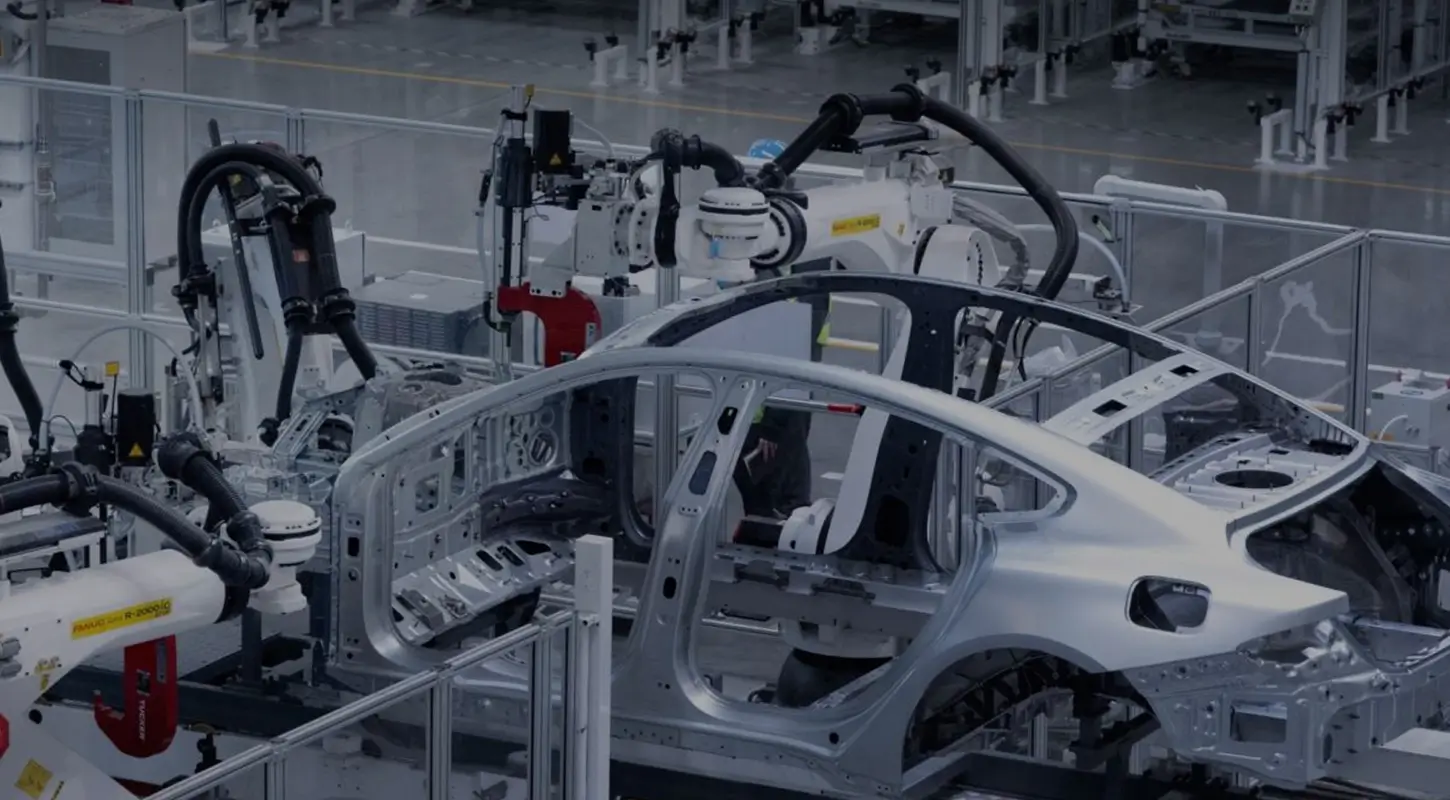
Industry Characteristics
Characteristics of Compressed Air Usage in the Automotive Industry
The automotive industry is one of the major consumers of compressed air; its usage patterns are unique and demanding:
High and Continuous Demand: Automotive manufacturing lines operate around the clock; processes such as stamping, welding, assembly, and painting require a continuous and stable supply of compressed air. Air consumption on a single production line typically ranges from tens to hundreds of cubic meters per minute.
Strict Air Quality Requirements: Especially in the stages of body painting, precision component machining, and electronic assembly, there are extremely high standards for the dryness and purity of compressed air (specifically, it must be free of oil, water, and dust). Any trace of oil, moisture, or particulate matter can lead to defects in the painting process, such as “fish-eye” patterns, “orange peel” texture, or poor adhesion, requiring large-scale rework.
High Stability of Pressure and Flow: Pneumatic tools (such as pneumatic wrenches and fastening guns), pneumatic cylinders, robotic arms, spray guns, and similar equipment are extremely sensitive to pressure fluctuations; unstable pressure directly affects assembly accuracy and disrupts production cycles.
Comprehensive Application Coverage: Compressed air is used in almost every stage of automobile production—from component stamping, body welding, and chassis assembly to painting and drying, tire inflation, pneumatic lifting, and cleaning.
Significant Energy Consumption Share: Compressed air systems typically account for 10% to 30% of total electricity consumption in automobile manufacturing plants, representing a significant energy potential.
Requirements for Gases in
New Energy Vehicle Power Batteries
Almost all processes in lithium-ion battery production require a constant supply of clean, dry compressed air, vacuum, and nitrogen—this is the biggest difference between new energy vehicle manufacturing and traditional fuel vehicle processes, and also the area where the selection of the compressed air system is most prone to problems.
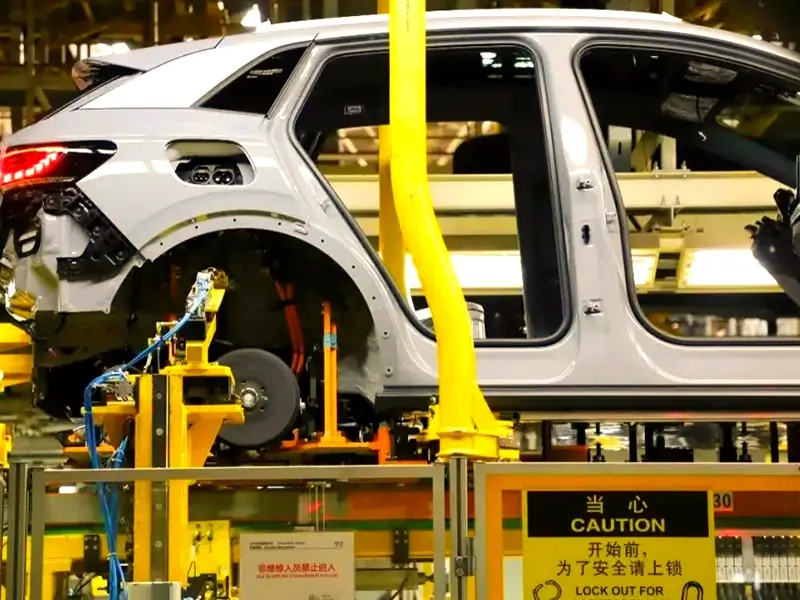
Extreme Drying: Instrumentation and process gases often require pressure dew points of -40°C or even -70°C, far exceeding the standard +3°C drying requirements of ordinary factories.
CO₂ Removal is Essential: Carbon dioxide in the air is not naturally removed during compression. A dedicated CO₂ capture device is necessary to control its concentration below 10 ppm or 1 ppm to avoid affecting the lifespan of raw materials such as electrolytes.
On-Site Nitrogen Generation Offers Greater Reliability: Compared to relying on third-party bottled gas delivery, on-site nitrogen generation reduces transportation costs and the risk of production stoppages due to supply delays. Purity and flow rate can be flexibly adjusted according to process requirements.
Energy Savings: Approximately 7% per 1 bar Reduction: Battery manufacturers are generally energy-sensitive. Pressure optimization, waste heat recovery, and centralized monitoring are crucial levers for controlling manufacturing costs.
Pain Points
The Most Common System Problems Encountered
by Automotive Manufacturers
These problems are often not due to equipment malfunction, but rather mismatches between system selection, purification processes, or maintenance methods and production line conditions.
Oil and Water Contamination Dragging Down Yields
If traditional oil-injection screw compressors are not properly purified, trace amounts of oil mist and condensate can enter the air circuit, causing batch rework in high-cleanliness processes such as painting and battery manufacturing.
Pressure Fluctuations Disrupting Cycle Time
Simultaneous start-up and shutdown of numerous pneumatic tools on the final assembly line causes a sudden drop in main pipeline pressure, resulting in insufficient tightening torque, sluggish robotic arm movements, and affecting the consistency of automated linkages.
High Energy Costs
Compressed air systems typically account for 10% to 30% of a factory’s total electricity consumption. Frequent loading and unloading of aging units and severe pipeline leaks represent an easily overlooked hidden energy consumption black hole.
Downtime Losses are Multiplied
If an air compressor failure leads to a complete production stoppage, the hourly losses can reach tens of thousands of yuan, placing high demands on the response speed of spare parts and the ease of equipment maintenance.
Applications
Applications of Air Compressors in the Automotive Industry
01 / Stamping
Body Stamping and Die Blowing
The pneumatic fixtures, safety light curtain valves, and die blowing dust removal devices of large stamping presses all rely on a continuous and stable air supply; pressure fluctuations directly affect the stamping cycle and sheet metal positioning accuracy.
02 / Welding and Assembly
Tightening, Riveting, and Robotic End Effectors
Tightening guns, riveting guns, pneumatic wrenches, and robotic end effectors require stable pressure to ensure torque accuracy and connection quality; simultaneous start-up and shutdown of multiple tools on the assembly line is most likely to cause instantaneous pressure drops.
03 / Painting
Spray Gun Atomization and Electrostatic Spraying
Spray gun atomization, electrostatic spraying control valves, and body dust blowing all require air cleanliness to reach ISO 8573-10 level (oil-free), and the dew point usually needs to be controlled below -20℃; otherwise, paint defects such as pinholes and pitting are prone to occur.
04 / Power Batteries
Electrode Drying, Electrolyte Injection, and Cell Formation
Processes such as electrode drying, cell assembly, electrolyte injection, and formation require ultra-dry compressed air with a dew point as low as -40℃ or even -70℃, coupled with on-site nitrogen generation (purity up to 99.999%, CO₂ removed to 10ppm or even below 1ppm) to prevent material oxidation and moisture absorption.
05 / Tire Testing
Vehicle Sealing Inspection and Tire Inflation
Vehicle sealing inspection, brake system testing, tire inflation, and dynamic balancing testing all require a clean, stable air source to avoid misjudgments due to air pressure fluctuations, which could affect the final quality assessment.
06 / Logistics Support
Pneumatic Conveying and Lifting Packaging
Pneumatic conveying systems, lifting platforms, and pneumatic actuators in packaging lines also rely on compressed air. Although the individual requirements are not stringent, they constitute a significant portion of the factory’s overall energy consumption and daily maintenance costs.


-800x800.jpg "Oil Injected Screw AirCompressor11kw(2)")
.png-800x800.jpg "air-compressor-inline-filter(3).png")
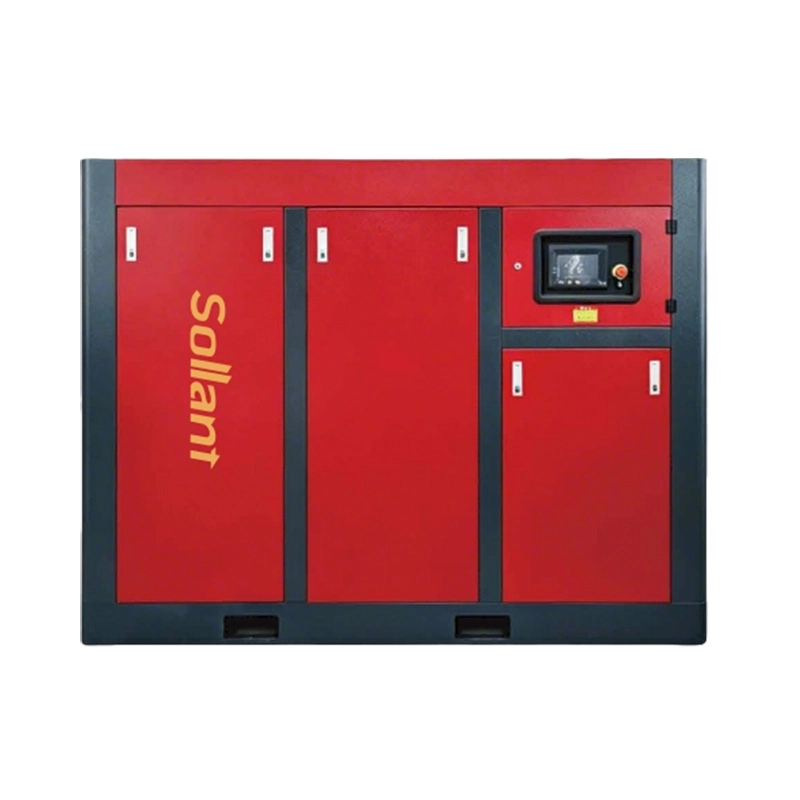
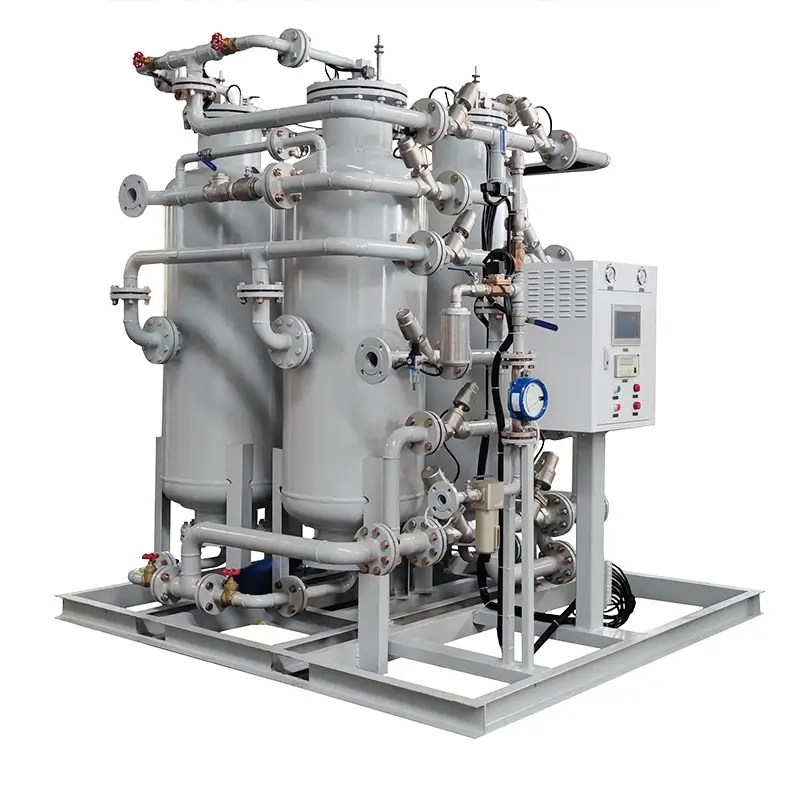
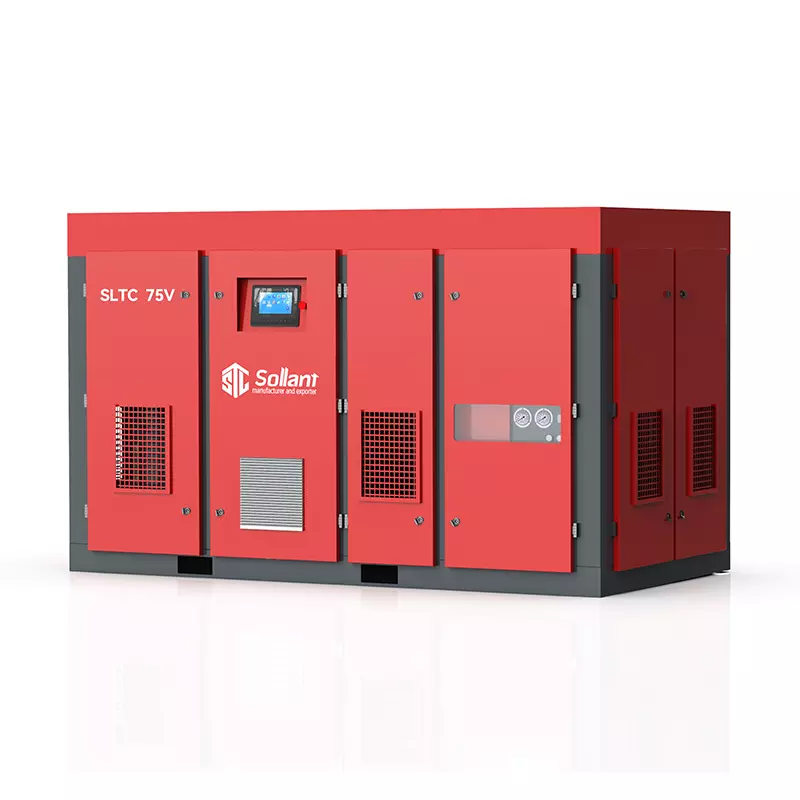
Sollant Compressor One-Stop Solution
Professional System Design
Based on the factory’s actual air consumption, pressure requirements, and process characteristics, we conduct comprehensive planning for the entire piping network, air storage configuration, and downstream air treatment systems—thereby preventing pressure fluctuations and air quality issues right at the source.
High-Efficiency, Energy-Saving Equipment
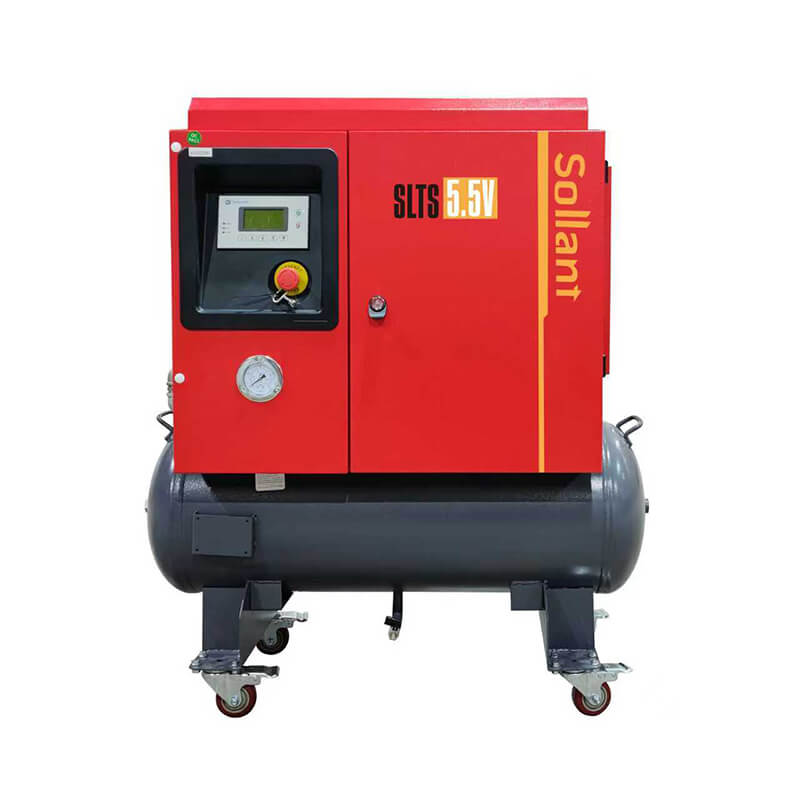
Utilizing technologies such as permanent magnet variable frequency screw air compressors and two-stage compression, our equipment achieves energy savings of over 30% compared to traditional systems. An intelligent control system enables multi-unit linkage and on-demand air supply, significantly reducing energy consumption.
Guaranteed High-Quality Air Supply
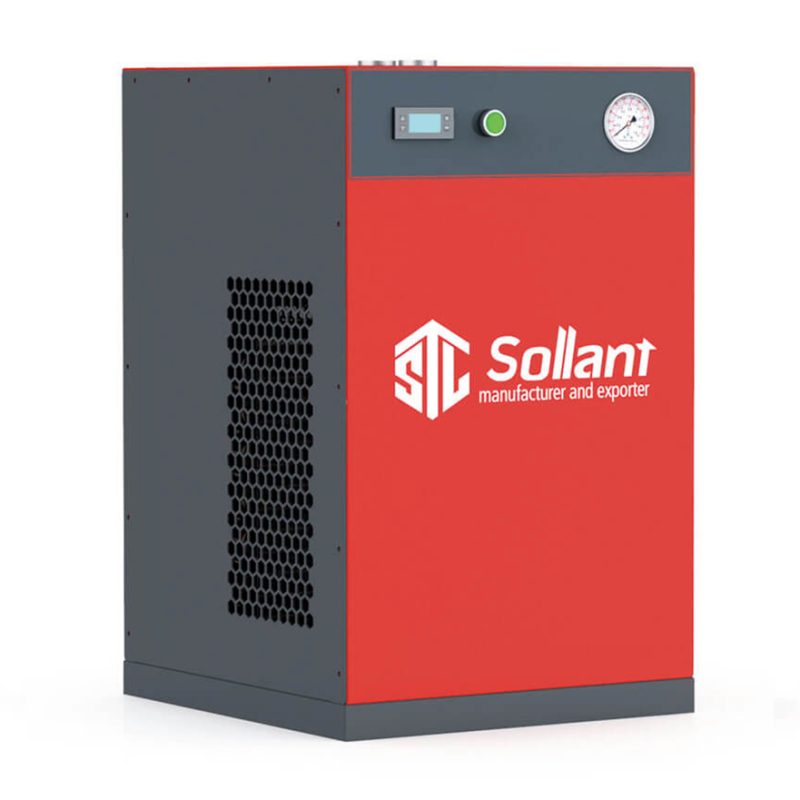
Equipped with precision filtration, refrigerated and/or adsorption dryers, and oil/water removal devices, our system ensures that the output compressed air meets the stringent cleanliness standards required for automotive painting and precision manufacturing, effectively eliminating painting defects and equipment malfunctions.
Reliable and Stable Operation
We select high-quality air ends and core components with ample design margins to support long-term continuous operation. Furthermore, a remote monitoring system is integrated to provide fault warnings and facilitate preventive maintenance, thereby minimizing the risk of downtime.
Full Lifecycle Service
From solution consulting, equipment selection, installation, and commissioning to subsequent operation & maintenance, energy-saving retrofits, and spare parts supply, we provide comprehensive, one-stop professional support to help enterprises rapidly implement solutions and achieve continuous optimization.
Flexible Solutions: Oil-Free / Low-Oil Options
For critical processes, we recommend fully oil-free screw compressors or centrifugal compressors to ensure compliance with the ISO 8573-1 Class 0 standard; for auxiliary processes, we provide energy-efficient low-oil compressors to strike an optimal balance between initial investment and operational costs.
Petrochemical Industry Air Compressor FAQ
What specific requirements does the automotive industry have regarding compressed air quality?
In automotive manufacturing, the stages with the most stringent requirements for compressed air quality are concentrated in painting, precision assembly during final assembly, and the testing of electronic components.
- Oil Content: According to the ISO 8573-1 standard, paint shops typically require Class 0 air (oil-free) to prevent oil contamination from causing surface defects—such as craters, fisheyes, or reduced adhesion—when mixed with paint. While pneumatic tools in final assembly areas can tolerate Class 2 or 3 air, it is essential to ensure the effectiveness of downstream filtration systems.
- Moisture Content: Since moisture can lead to pipeline corrosion and pneumatic valve sticking, a pressure dew point of -20°C to -40°C is typically required. This is particularly critical during the summer months; in high-humidity environments, the installation of desiccant dryers or combination dryers is mandatory.
- Particulate Content: Particulate matter within the pneumatic system can cause abrasive wear on precision pneumatic valves and cylinder seals. Consequently, the required filtration precision is ≤0.01 μm, with a maximum residual particulate content of ≤0.1 mg/m³.
How to determine if an automotive plant's compressed air network has severe leaks?
In automotive manufacturing plants—characterized by extensive piping, numerous connections, and the frequent plugging and unplugging of pneumatic tools—it is quite common for the air leakage rate to exceed 20%. Three methods can be employed to assess this:
- Shutdown Method: During periods of production downtime (such as overnight shifts), shut off all air-consuming equipment (including pneumatic valves). Record the time it takes for the main header pressure to drop from 0.7 MPa to 0.5 MPa. If this drop occurs in less than 3–5 minutes, the leakage is considered severe.
- Ultrasonic Leak Detection: Use an ultrasonic leak detector to scan along the piping network. Common leak points include quick-connect couplings, cracks in aging rubber hoses, and automatic drain valves that are stuck open due to clogging.
- Electricity Cost Analysis Method: If the air compressor’s load rate consistently exceeds 90% over a prolonged period—despite no significant increase in actual air-consuming equipment usage—and the compressor cycles between loading and unloading more than six times per hour, it can generally be concluded that substantial leakage is present.
A single 1mm-diameter circular orifice leaking at a pressure of 0.7 MPa can result in approximately 2,000 to 4,000 RMB in wasted electricity costs per year (depending on local electricity rates and operating hours). It is recommended to conduct a comprehensive, plant-wide ultrasonic leak detection survey every six months.
What are the typical faults and causes of downtime for air compressors in the automotive industry?
| Failure Phenomenon | Common Causes | Specific Triggers in the Automotive Industry |
| High-Temperature Shutdown | Clogged Cooler, Low Oil Level, Clogged Oil Filter | The welding workshop is characterized by high dust levels and the presence of oil mist, making the plate-fin cooler prone to clogging. |
| Excessive Oil Content in Exhaust | Damaged Oil Separator Element; Clogged Oil Return Line; Oil Emulsification | Prolonged Operation at Low Temperatures and Low Loads (Intermittent Nighttime Operation) Leading to Water Condensation and Emulsification |
| Failure to Build Pressure | Stuck intake valve, leaking relief valve, or slipping belt. | The workshop installed a sound-insulating enclosure to reduce noise; however, poor heat dissipation caused the valve body to seize. |
| Frequent Loading and Unloading Cycles | Significant fluctuations in air consumption, severe system leakage, and an excessively narrow pressure band setting. | Simultaneous start-up and shut-down of numerous handheld tools on the final assembly line, with no adequate buffering within the piping network. |
| Motor Burnout | Frequent Start-Stop Cycles, Voltage Instability, Overload | Aging line-frequency motors repeatedly start up during shift changes, leading to thermal accumulation that burns out the windings. |
Preventive Measures:
Perform compressed air blow-back or chemical cleaning on the cooler on a quarterly basis;
Install online monitoring systems for dew point and vibration to provide early warnings regarding oil conditions and bearing status;
Add air receivers of sufficient capacity to the main air header (recommended capacity: 0.5–1 m³ per variable-frequency compressor, and 1–2 m³ per fixed-frequency compressor).
For the automotive industry: is a variable frequency or fixed frequency air compressor the better choice?
We highly recommend prioritizing a permanent magnet variable frequency (PMVF) two-stage compression air compressor, particularly for complete vehicle manufacturers and large-scale automotive parts factories. Air demand on automotive production lines fluctuates significantly—reaching peak capacity during busy work hours, yet dropping to low-load levels during lunch breaks and at night. Fixed-frequency air compressors, however, experience prolonged periods of idling or unloading during these low-demand phases, resulting in severe energy waste; their energy consumption while idling can exceed 30%. In contrast, PMVF air compressors automatically adjust their motor speed based on actual air demand, adapting dynamically to the load. They maintain high operational efficiency even under low-load conditions, achieving overall energy savings of 35% to 50% compared to fixed-frequency models. Furthermore, they offer more precise pressure control with minimal fluctuation, thereby safeguarding pneumatic equipment and optimizing production processes. Fixed-frequency models are suitable only for specific scenarios—such as small 4S dealerships—where air demand is extremely stable and the duration of operation is relatively short.
How to troubleshoot and reduce leaks in a factory's compressed air system?
There are three common methods: First, the shutdown pressure test method: when the production line is shut down, all air-consuming equipment is turned off, and the time required for the main pipeline pressure to drop from 0.7 MPa to 0.5 MPa is recorded. If this is completed within 3-5 minutes, it indicates a relatively serious leak. Second, ultrasonic leak detection: inspecting along the pipeline network, common leak points are concentrated in quick-connect fittings, aging rubber hoses, and stuck automatic drain valves. Third, observing the air compressor loading and unloading frequency: if the unit load rate consistently exceeds 90% and loading/unloading occurs more than 6 times per hour, it often indicates a significant leak. It is recommended to conduct a systematic leak check of the entire plant’s pipeline network every six months.
Request a Quick Quote Now
Order or No Order? We're here for you 24/7

