
Textile Air Compressors for Reliable and Clean Compressed Air
Energy-Efficient, Stable and Clean Compressed Air for Spinning, Weaving, Dyeing and Textile Production
Sollant provides customized compressed air solutions for textile mills, from permanent magnet VSD screw compressors and oil-free compressors to centrifugal and magnetic levitation compressors, air dryers and filtration systems.
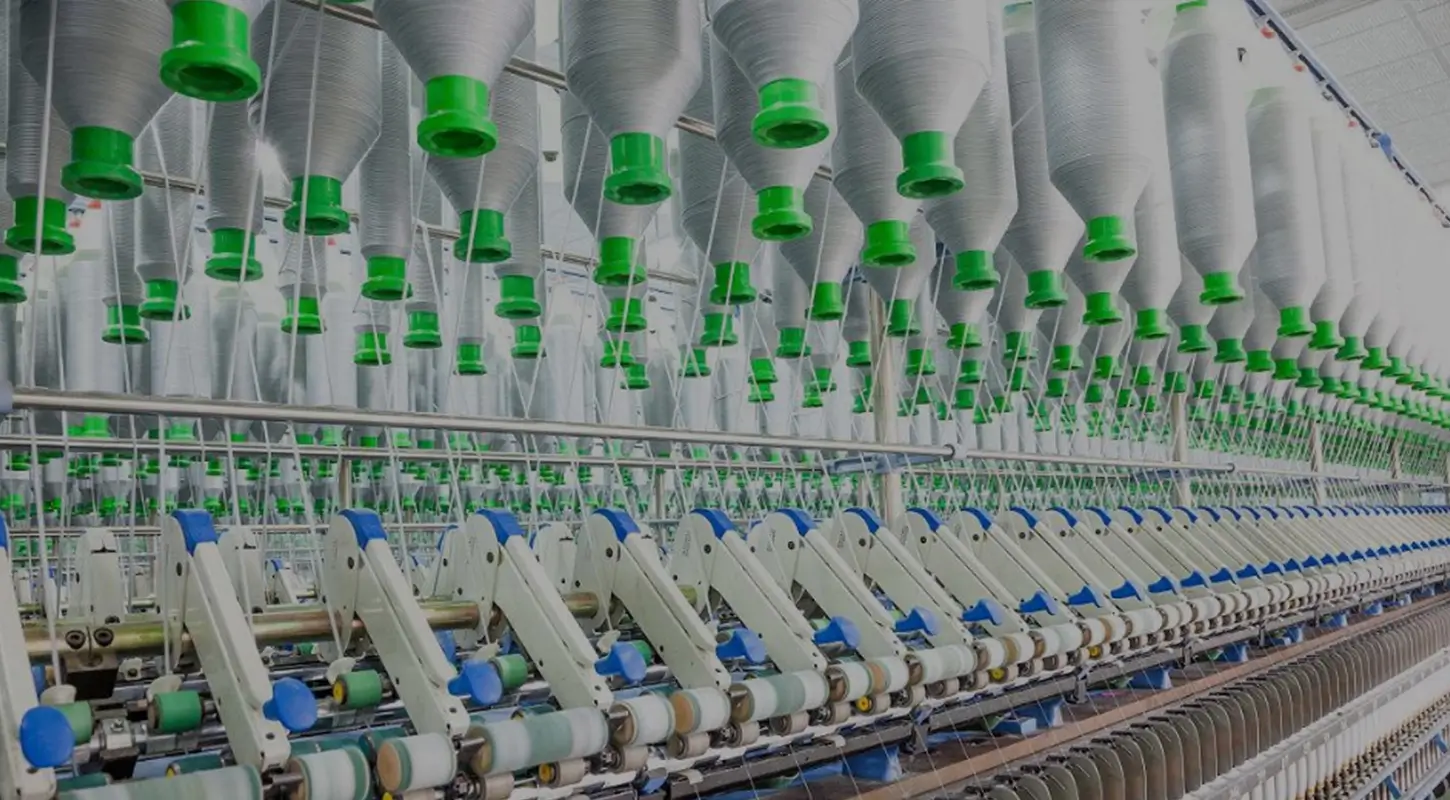
Compressed Air Challenges in Textile Manufacturing
Textile production demands stable pressure, reliable airflow and clean compressed air. An inefficient or poorly matched air compressor system can increase energy costs, affect fabric quality and reduce production reliability.
01 Oil Contamination
Oil contamination can affect fabric quality, particularly in production processes requiring clean compressed air.
02 Unstable Air Pressure
Pressure fluctuations can affect pneumatic textile machinery and air-jet weaving performance.
03 High Energy Consumption
Compressed air can be a significant operating cost in continuous textile production.
04 Continuous Production
Textile factories often require stable compressed air supply for long operating hours.
05 Moisture in Compressed Air
Moisture can affect pneumatic equipment and downstream textile processes.
06 Different Applications Require Different Air Quality
Weaving, spinning, dyeing and other applications may require different pressure, flow and air purity levels.
Need the Right Compressor for Your Textile Factory?
Tell us your application, required pressure and air flow. Our engineers can recommend a suitable compressor and air treatment configuration.
Compressed Air Quality Requirements for Textile Production
Clean, Stable and Properly Sized Compressed Air
Compressed air quality directly affects textile production efficiency, equipment performance and fabric quality. Different processes require different levels of pressure, airflow, oil content, particle control and moisture control.
Sollant designs compressed air systems according to the specific requirements of each textile production process.
Stable Air Pressure
Different textile machines operate at different pressure levels, and pressure stability is critical for consistent production.
Typical Requirements
- Air-Jet Looms: 6–8 bar
- Spinning Equipment: 7–9 bar
- Dyeing Equipment: 4–7 bar
- Post-Processing: 6–8 bar
For air-jet looms, pressure fluctuations should be controlled because unstable pressure affects weaving performance and fabric quality.
Oil & Particle Control
Oil and particulate contamination can affect textile processes, particularly in dyeing, printing and other applications where clean compressed air is important.
Depending on the process, appropriate oil-free compression and precision filtration may be required to reduce contamination risks.
Typical Considerations
- Oil content
- Solid particles
- Filtration level
- Point-of-use air quality
Sufficient & Stable Air Flow
Air demand varies according to the type and number of textile machines, operating conditions and production schedules.
A properly sized compressed air system should account for simultaneous equipment operation and future production expansion.
Sizing Reference
Total Air Flow = Equipment Consumption × Simultaneous Utilization Factor + Expansion Margin
The appropriate compressor capacity should be determined from actual equipment consumption rather than motor power alone.
Moisture & Pressure Dew Point
Moisture in compressed air may condense within the piping, thereby affecting textile equipment and production processes.
The required pressure dew point depends on the specific textile application.
Application Reference
- Dyeing & Printing: Stricter moisture control may be required
- Jet Looms & Post-Processing: Appropriate drying helps prevent moisture-related problems
- General Pneumatic Equipment: Refrigerated air drying can provide reliable moisture control
Textile Compressed Air Requirements at a Glance
| Textile Process | Typical Pressure | Key Air Quality Considerations | Recommended Solution |
| Spinning | 7–9 bar | Stable airflow, controlled contamination | PM VSD Screw Compressor |
| Air-Jet Weaving | 6–8 bar | Stable pressure, moisture and particle control | PM VSD / Oil-Free Compressor |
| Dyeing | 4–7 bar | Clean air, oil and moisture control | Oil-Free Compressor + Air Treatment |
| Printing | Process dependent | Clean and dry compressed air | Oil-Free Compressor + Filters |
| Post-Processing | 6–8 bar | Stable pressure and moisture control | Screw Compressor + Dryer |
| Auxiliary Applications | Process dependent | Pressure and flow matched to equipment | Customized Compressed Air System |
Actual pressure and air quality requirements should be confirmed according to the specific equipment, production process and operating conditions.
Get the Right Air Quality for Your Textile Factory
Choosing an air compressor is only the first step. The complete system should be matched to your pressure, airflow and compressed air quality requirements.
Tell us your production process and air demand. Sollant engineers can recommend the appropriate compressor, dryer and filtration configuration for your textile factory.
Textile Industry Air Compressor Solutions
The Right Compressed Air Solution for Every Textile Process
From spinning and weaving to dyeing and finishing, different textile processes require different air pressure, flow and air quality.
Sollant provides a complete range of textile air compressor solutions, including energy-efficient screw compressors, oil-free compressors, centrifugal compressors, magnetic levitation compressors and air treatment equipment.
Choose the right configuration based on your production process, air demand, working pressure and compressed air quality requirements.
Air Compressor Solutions
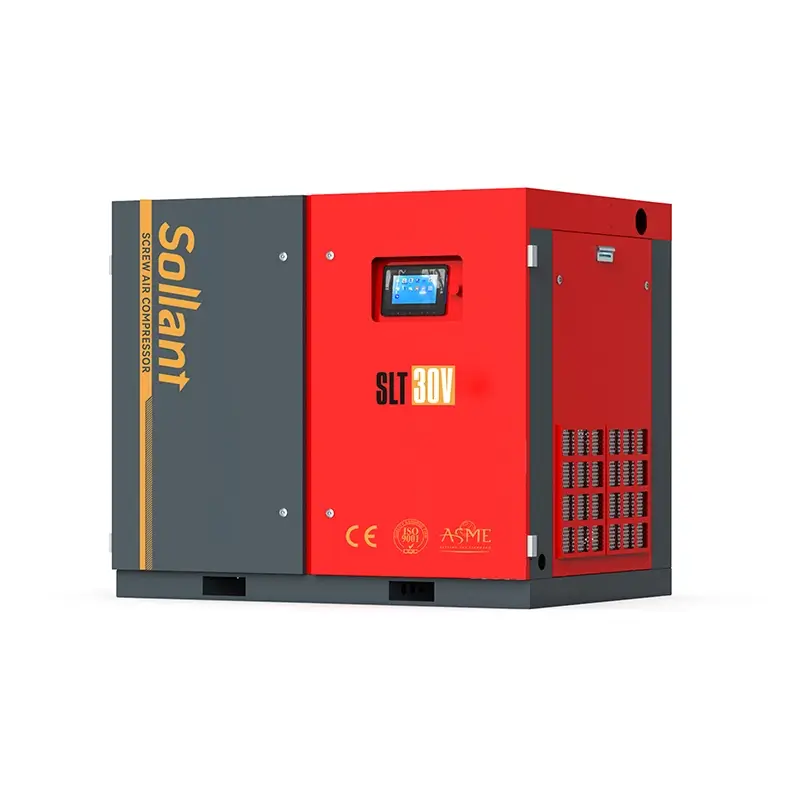
01. Permanent Magnet VSD Screw Air Compressor
Efficient Air Supply for Textile Machinery
Specifications
- Pressure: 8 / 10 / 13 bar
- Air Flow: 4.17–9.28 m³/min
- Power: 75 kW
- Application: Textile machinery, spinning and weaving
Key Benefits
✓ Variable-speed operation
✓ Stable compressed air supply
✓ Efficient operation under changing demand
✓ Suitable for continuous textile production

02. Two-Stage PM VSD Screw Air Compressor
High-Performance Compressed Air for Continuous Production
Specifications
- Pressure: 8 / 10 / 13 bar
- Air Flow: 12.55–27.9 m³/min
- Application: Continuous textile production
Key Benefits
✓ High-volume air supply
✓ Variable-speed control
✓ Designed for continuous operation
✓ Improved energy efficiency under suitable operating conditions
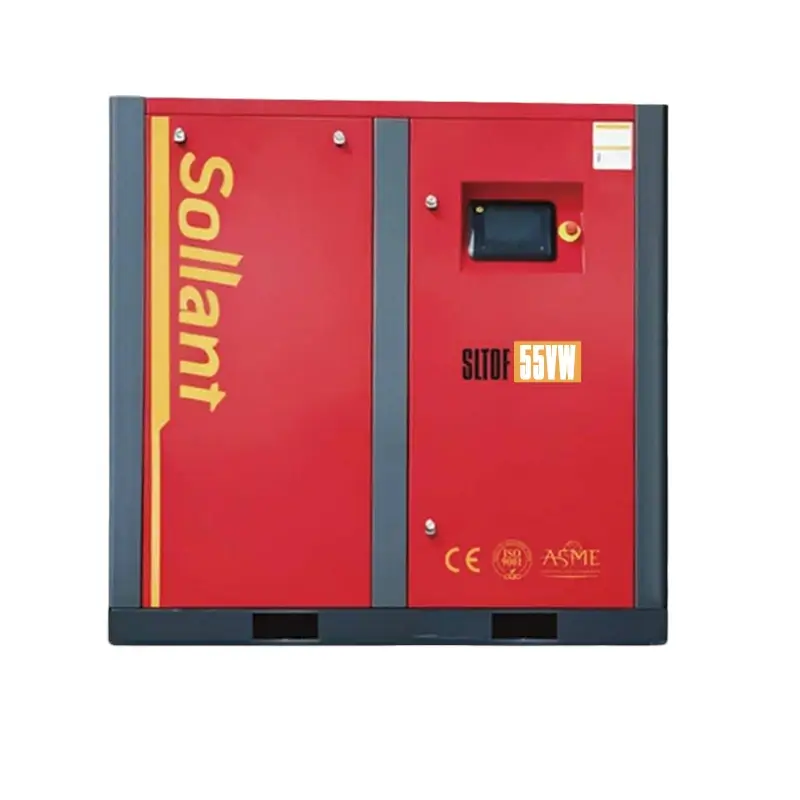
03. Water-Lubricated Screw Air Compressor
Clean Compressed Air for Jet Looms, Dyeing & Printing
Specifications
- Pressure: 8–12.5 bar
- Air Flow: 2.3–9.6 m³/min
- Air Quality: Class 0 Oil-Free
- Applications: Air-jet looms, dyeing and printing
Key Benefits
✓ Oil-free compression
✓ Reduced risk of oil contamination
✓ Suitable for cleanliness-sensitive textile processes
✓ Reliable compressed air for continuous production
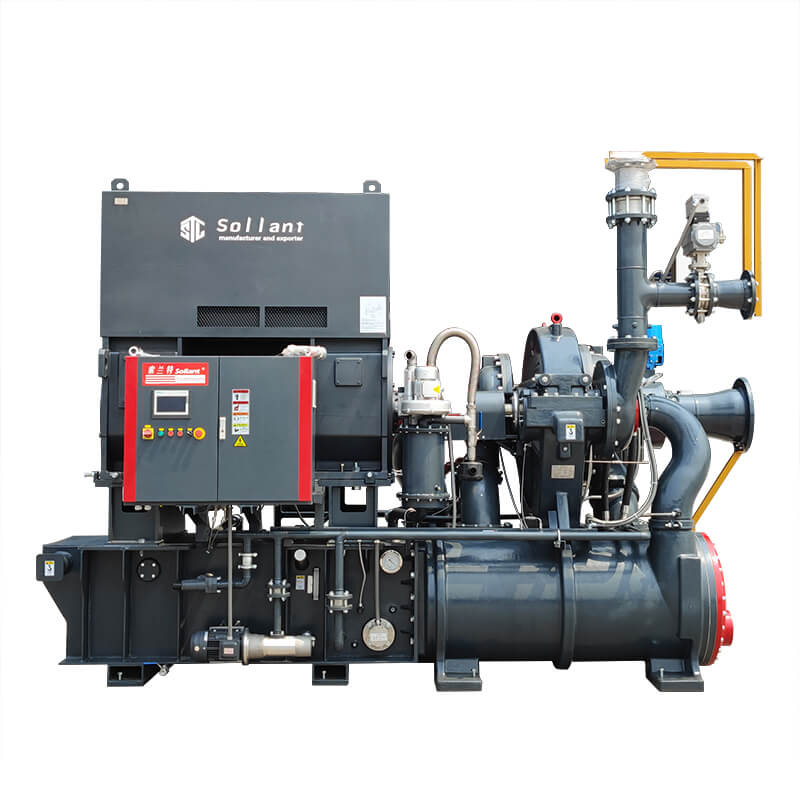
04. Centrifugal Air Compressor
High-Flow Compressed Air for Large Textile Mills
Specifications
- Working Pressure: 0.6–16 barg
- Power: 176–3,000 kW
- Application: Large textile mills and high-flow applications
Key Benefits
✓ High-volume air supply
✓ Suitable for continuous operation
✓ Oil-free compression
✓ Designed for large-scale compressed air systems
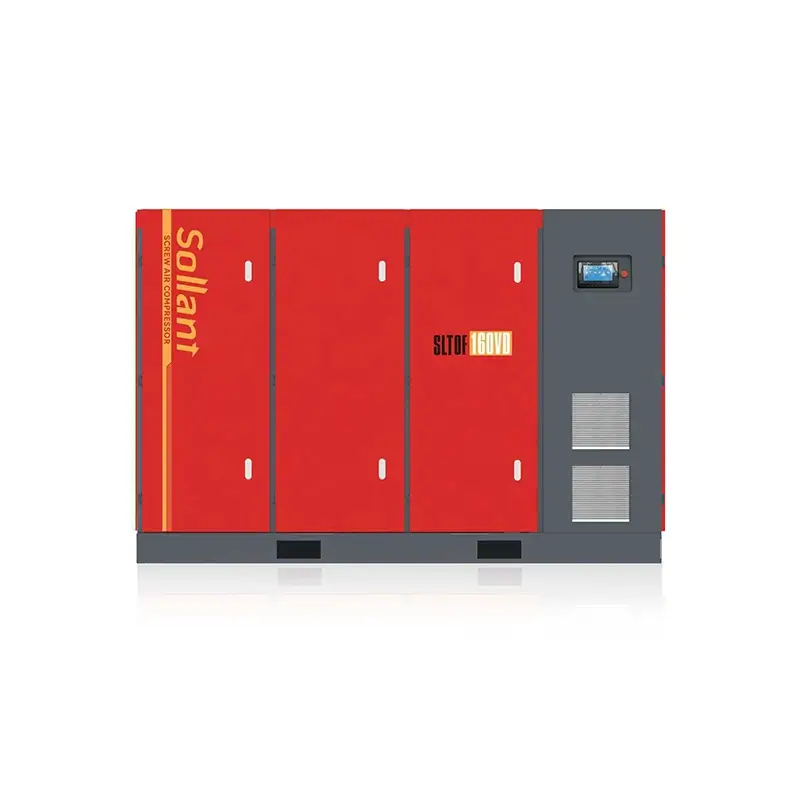
05. Dry Oil-Free Screw Air Compressor
Oil-Free Compressed Air for Clean Textile Production
Specifications
- Pressure: 7–10 bar
- Air Flow: 3.7–46.0 m³/min
- Power: 45–250 kW
Key Benefits
✓ Oil-free compression
✓ Multiple capacity options
✓ Available in variable-speed and fixed-speed configurations
✓ Suitable for cleanliness-sensitive production
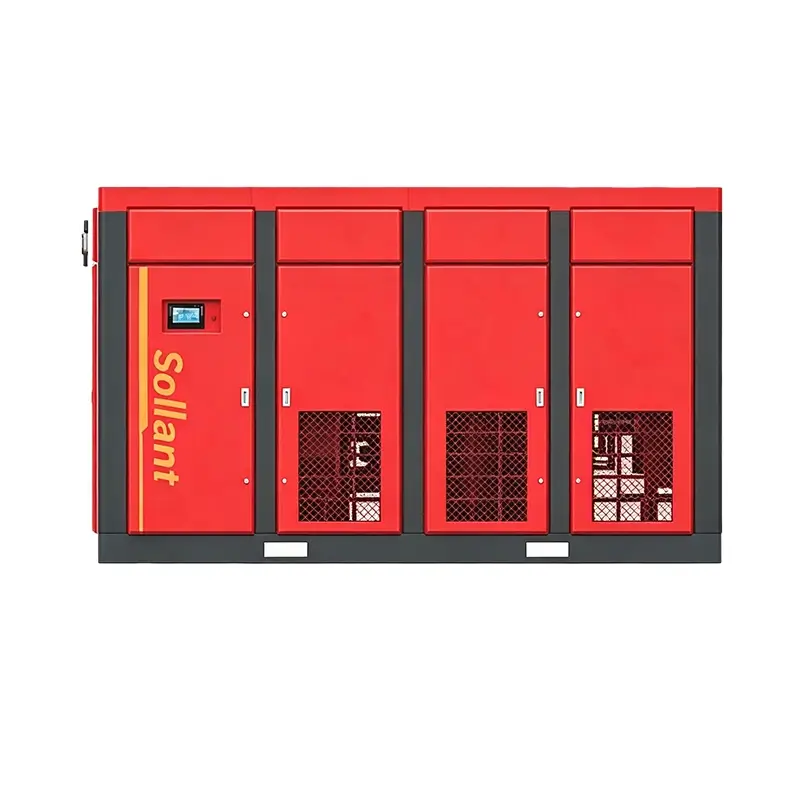
06. Magnetic Levitation Air Compressor
Low-Pressure, High-Flow Air for Textile Applications
Specifications
- Pressure: 1.5–4.0 bar
- Air Flow: 22–250 m³/min
- Application: Low-pressure, high-flow textile applications
Key Benefits
✓ Low-pressure operation
✓ High air flow
✓ Oil-free operation
✓ Variable-speed technology
✓ Suitable for large-volume air demand
Air Treatment Solutions
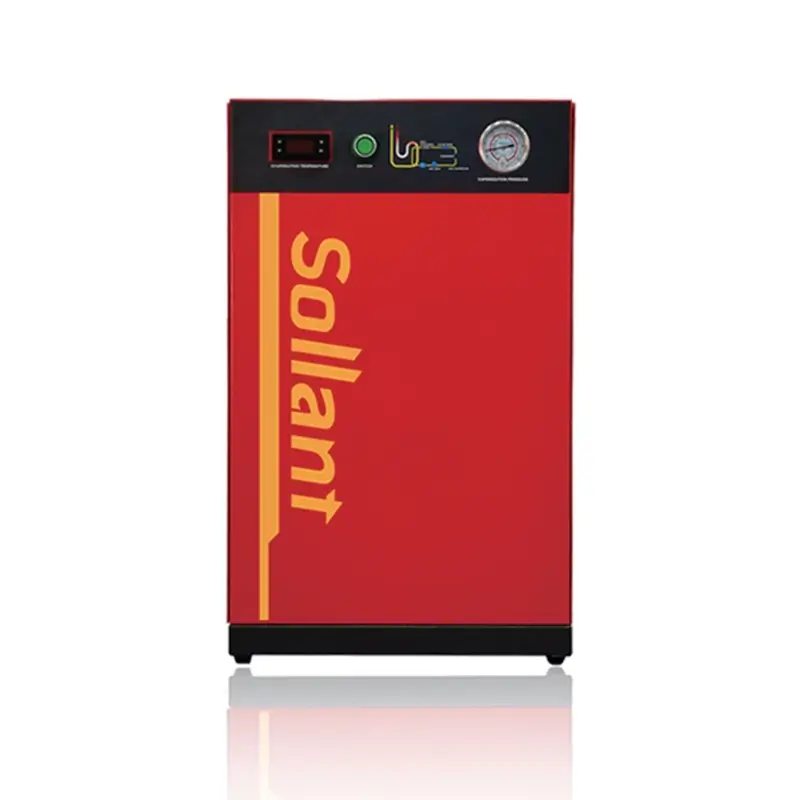
Reliable Moisture Control for Textile Compressed Air Systems
Specifications
- Pressure Dew Point: 2–10°C
- Application: Textile compressed air systems
- Recommended for: Spinning, weaving, air-jet looms and general pneumatic equipment
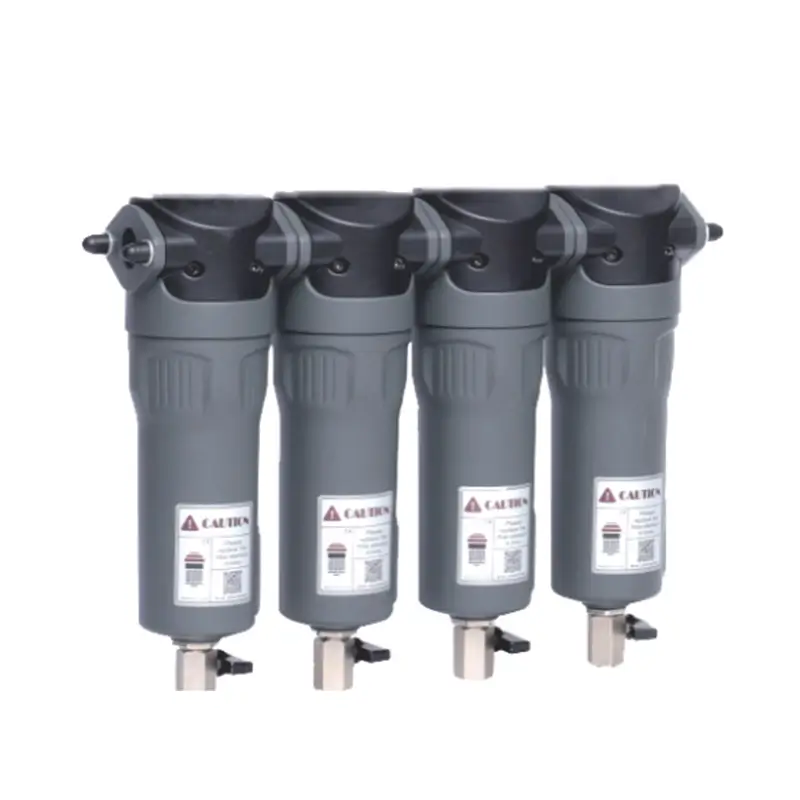
Clean Compressed Air for Textile Production
Specifications
- Filter Grade: C / T
- Oil Content: ≤1 ppm
- Application: Textile machinery and compressed air systems
Need Help Choosing the Right Textile Air Compressor?
Not sure whether you need a PM VSD screw compressor, oil-free compressor, centrifugal compressor, magnetic levitation compressor or a complete air treatment system?
Tell us your:
Production Process + Number of Machines + Required Pressure + Air Flow
Our engineers can recommend a suitable textile compressed air system based on your actual operating requirements.
Compressed Air Applications in Textile Manufacturing
Reliable Compressed Air for Every Stage of Textile Production
Compressed air plays an important role throughout textile manufacturing, from fiber preparation and spinning to weaving, dyeing, finishing, packaging and quality control.
Different processes require different air pressure, flow rate and air quality. Sollant provides customized compressed air solutions to match the specific requirements of each textile production process.
Spinning & Yarn Production
Compressed air supports various pneumatic operations in spinning and yarn production, helping to maintain stable equipment operation and consistent yarn quality.
Typical Applications:Pneumatic control | Yarn processing | Machine cleaning | Fiber and dust removal | Pneumatic doffing
Recommended Solution:PM VSD Screw Air Compressor
Air-Jet Weaving
Air-jet looms use compressed air to insert the weft yarn across the loom at high speed. Stable air pressure and sufficient airflow are critical to maintaining weaving performance and fabric consistency.
Typical Applications:Weft insertion | Pneumatic control | Yarn tension and position control | Loom cleaning | Dust and fiber removal
Recommended Solution:PM VSD Screw Compressor · Oil-Free Compressor · Centrifugal Compressor
Dyeing & Printing
Compressed air is used in pneumatic dyeing, spray systems, and other textile printing processes. Its cleanliness is critical, as oil, moisture, and other contaminants can affect dyeing quality and cause contamination risks.
Typical Applications:Pneumatic dye spraying | Dyeing equipment | Chemical treatment | Heat transfer printing | Process air
Recommended Solution:Oil-Free Screw Compressor + Air Dryer + Precision Filters
Finishing & Fabric Processing
Compressed air supports a range of post-processing operations, helping textile manufacturers maintain reliable pneumatic control and production efficiency.
Typical Applications:Fabric drying | Steam polishing | Pressing |Pneumatic equipment |Fabric surface cleaning
Recommended Solution:PM VSD Screw Compressor + Air Treatment System
Packaging & Quality Control
Compressed air is also used after textile production for packaging, inspection and final product preparation.
Typical Applications:Pneumatic packaging | Sealing and labeling | Fabric inspection | Dust removal | Leak detection | Quality control
Recommended Solution:Screw Air Compressor + Refrigerated Air Dryer + Precision Filters
Other Auxiliary Applications
Compressed air also supports various auxiliary processes throughout textile factories, helping maintain stable equipment operation, automated control and supporting utility processes.
Typical Applications:Pneumatic doffing | Instrument and valve control | Wastewater treatment | Chemical treatment | Equipment cleaning and dust removal
Recommended Solution:PM VSD Screw Compressor + Air Receiver + Air Treatment System


-800x800.jpg "Oil Injected Screw AirCompressor11kw(2)")
.png-800x800.jpg "air-compressor-inline-filter(3).png")

Textile Industry Air Compressor Case Studies
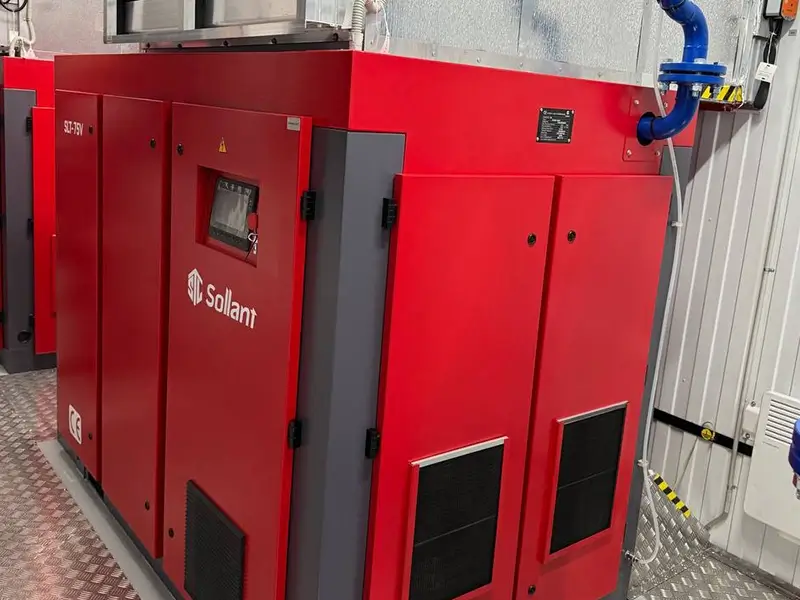
SLT-75V VSD Air Compressor — Textile Mill Case Study
The Problem
A textile mill producing high-density cotton fabric runs an air-jet weaving line. Their old fixed-speed compressor wasted power during low-demand shifts and caused pressure swings that led to frequent weft stops and fabric defects.
The Solution
They installed one SLT-75V variable speed air compressor as the trim unit in their compressor room.
- Pressure: 8 bar, regulated to 0.55–0.6 MPa at the loom header
- Flow: 4.17–9.28 m³/min, auto-adjusting to loom demand
- Air treatment: Refrigerated dryer + precision filters to meet ISO 8573-1
Why It Worked
Air-jet looms need steady pressure — not just enough air. The SLT-75V’s variable speed drive holds pressure tight while matching output to demand, so the mill stopped wasting power and started getting consistent fabric quality.
Customer Reviews
What Clients Are Saying
James ,Quality Control Manager
“Since we started using this oil-free compressor, our dyeing results have become more consistent, and product quality has improved significantly. Most importantly, the purity of the compressed air meets our strict quality standards, and we’ve received excellent feedback from our customers.”
Amelia, Production Manager
“We have been collaborating for many years, and every instance of equipment maintenance and upgrading has proceeded very smoothly. The air compressors demonstrate stable performance and high energy efficiency, fully meeting the demands of our large-scale production.”
Michael, Technical Director
“The Sollant oil-free compressor has been a true breakthrough for us. The dyeing process is now more uniform, and the results—batch after batch—are remarkably consistent and of high quality. The purity of the air meets our requirements perfectly, and our clients are extremely satisfied.”
Download the Textile Compressed Air Application Guide
A Practical Guide to Efficient, Stable & Contamination-Controlled Compressed Air for Textile Production
Get practical, engineering-level guidance for selecting the right compressed air solution for textile manufacturing — from process-specific air quality and pressure requirements to energy-efficient compressor selection and system optimization across the entire production chain.
✓ Compressed air applications across textile processes (fiber preparation, spinning, jet weaving, dyeing, finishing & packaging)
✓ ISO 8573-1 air quality requirements for particles, oil and dew point by process stage
✓ Screw, oil-free screw, centrifugal and magnetic centrifugal compressor selection criteria
✓ Two-stage PM VSD technology, energy-saving strategies and flow/pressure stability control
Textile Air Compressor FAQ
There is no single compressor suitable for every textile factory. The right choice depends on your required pressure, airflow, operating hours, production process and compressed air quality requirements.
Sollant offers PM VSD screw compressors, two-stage screw compressors, oil-free compressors, centrifugal compressors and magnetic levitation compressors for different textile applications.
Typical pressure requirements vary by application:
Air-Jet Looms: 6–8 bar
Spinning Equipment: 7–9 bar
Dyeing Equipment: 4–7 bar
Post-Processing: 6–8 bar
Actual requirements should be confirmed according to the specific machine manufacturer’s specifications and operating conditions.
Not every textile application requires oil-free compressed air. However, oil-free air can be important for dyeing, printing, air-jet weaving and other processes where contamination may affect production quality.
Sollant provides water-lubricated oil-free screw compressors and dry oil-free compressors for applications requiring oil-free compressed air.
Compressed air containing excessive oil, moisture or particles can create contamination risks and affect equipment performance or production quality.
The appropriate air quality depends on the specific textile process. Sollant can configure oil-free compressors, refrigerated air dryers and precision filters according to your application requirements.
Compressor capacity should be selected according to the actual air consumption of your equipment and the expected operating conditions.
A practical sizing reference is:
Total Air Flow = Equipment Consumption × Simultaneous Utilization Factor + Expansion Margin
For a complete recommendation, Sollant engineers can evaluate your equipment quantity, operating pressure, working hours and actual air demand.
PM VSD compressors can adjust compressor output according to changing air demand instead of operating continuously at a fixed speed.
This makes them particularly suitable for textile factories where compressed air demand fluctuates during production.
Actual energy savings depend on the compressor configuration, load profile, operating hours and system conditions.
A complete compressed air system may require air treatment equipment depending on the required air quality.
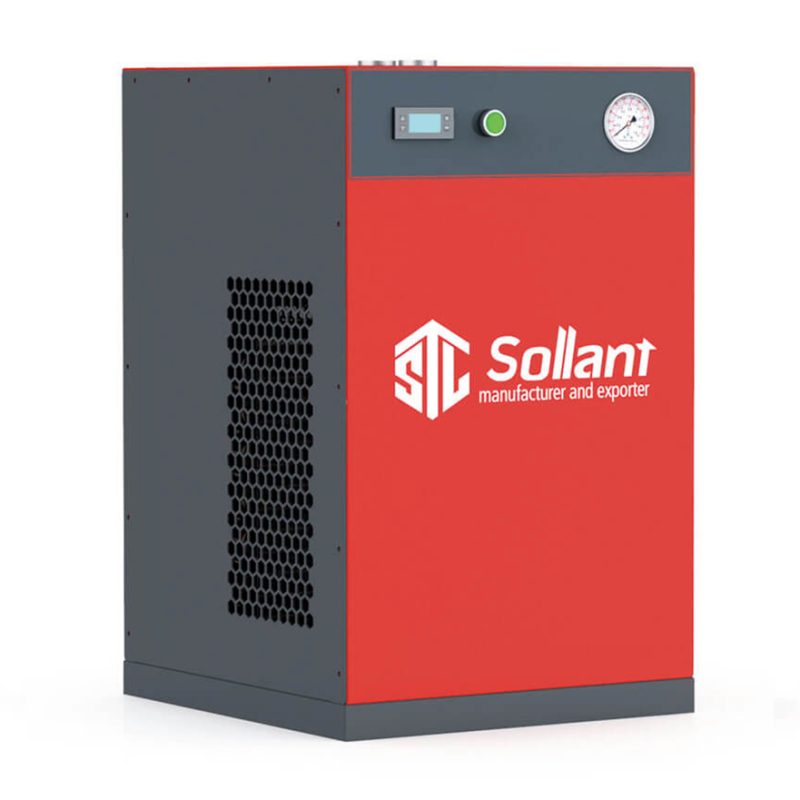
Refrigerated air dryers are used for moisture control, while precision filters help control oil and particulate contamination.
Sollant can configure the appropriate air treatment equipment based on your process and compressed air quality requirements.
Yes. Sollant can provide compressor and air treatment configurations for different textile applications, including screw compressors, oil-free compressors, centrifugal compressors, magnetic levitation compressors, refrigerated air dryers and precision filters.
The system can be configured according to your pressure, airflow, air quality and production requirements.
Request a Quick Quote Now
Order or No Order? We're here for you 24/7

