
Laser Cutting Air Compressor Solution
Stable, Clean and Dry Compressed Air for High-Precision Laser Cutting
- Stable air pressure for consistent cutting performance
- Clean and dry compressed air for sensitive laser equipment
- Reduced moisture, oil and particle contamination
- Less installation work and fewer pipeline connections
Stable Pressure · Clean & Dry Air · Energy Efficient · Complete System
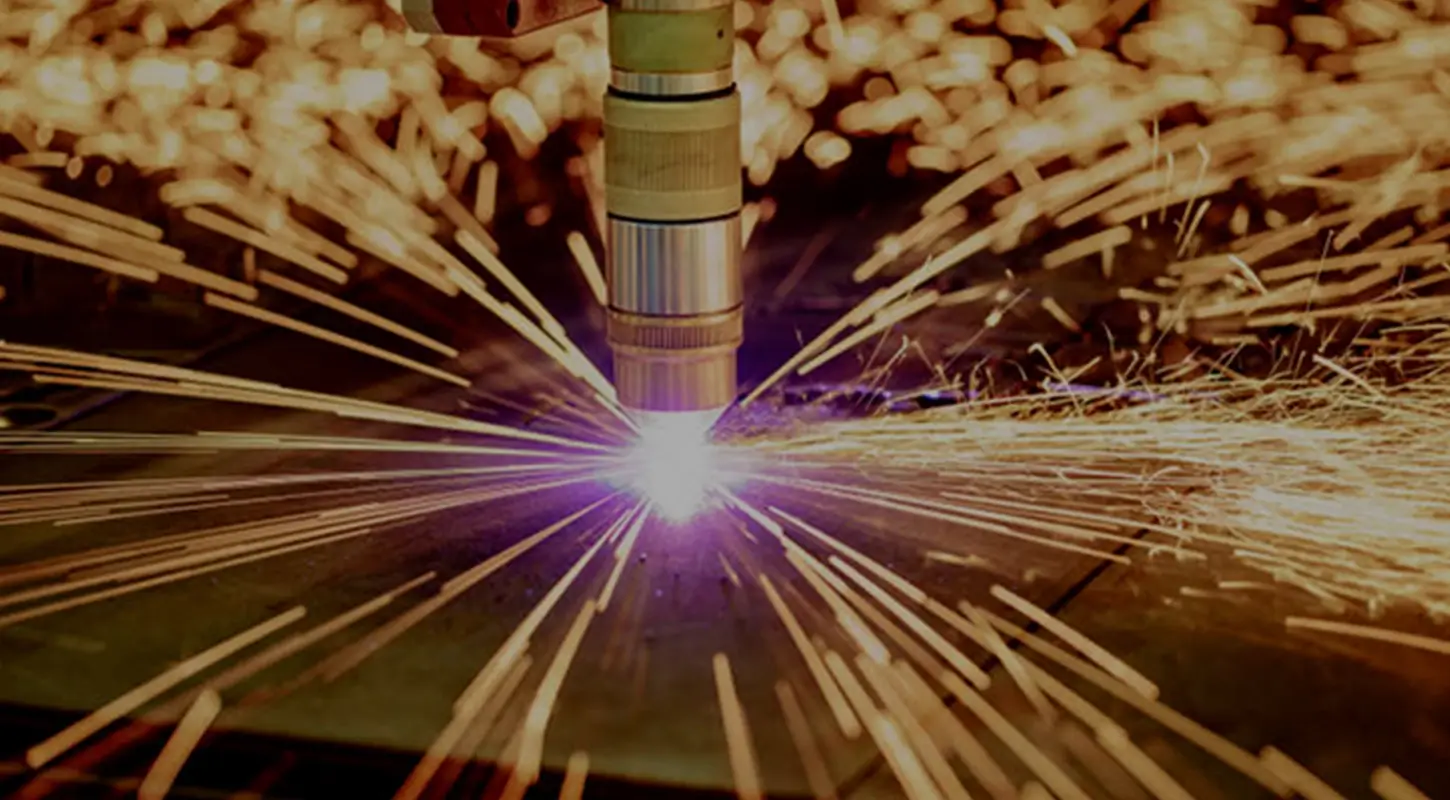
Why Is Compressed Air Quality
Critical for Laser Cutting?
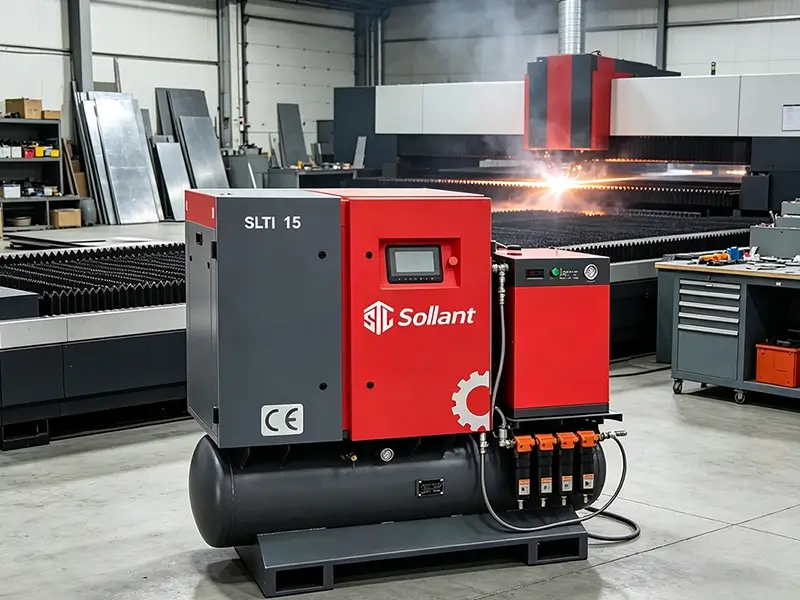
Laser cutting requires more than simply connecting a standard air compressor to the machine.Unstable pressure, moisture, oil and particles in the compressed air system can affect downstream equipment and production stability. For laser cutting applications, the air supply system must be properly designed to provide reliable pressure, clean air and consistent flow.
A complete laser cutting compressed air solution typically includes:
- Air compression
- Cooling
- Moisture removal
- Precision filtration
- Air storage
- Deep drying when required
- Stable pressure control
Sollant integrates these functions into compact air compressor systems designed to simplify installation and provide a reliable air supply for laser cutting production.By improving compressed air quality and system stability, manufacturers can reduce the risks associated with moisture, oil contamination, pressure fluctuation and complex multi-machine installations.
Common Compressed Air Problems
in Laser Cutting Workshops
💨
01 — Unstable Air Pressure
Pressure fluctuations can affect cutting consistency, especially during peak demand or when the compressor is undersized.
Our Solution:
Integrated air compressor systems with properly sized air storage and intelligent control help deliver a more stable compressed air supply.
💧
02 — Moisture in Compressed Air
Moisture and condensate can enter the air line without proper drying, increasing the risk of corrosion, maintenance issues and inconsistent cutting performance.
Our Solution:
Integrated refrigeration and/or desiccant drying provides clean, dry compressed air for demanding laser cutting applications.
🛢
03 — Oil & Particle Contamination
Oil aerosols, dust and water can contaminate compressed air and affect downstream components and cutting performance.
Our Solution:
Multi-stage precision filtration helps remove oil, moisture and particles before the air reaches the laser cutting system.
🔧
04 — Pressure Loss & Air Leakage
Long pipelines, undersized piping, excessive bends and leaking connections can reduce pressure and available airflow at the laser cutter.
Our Solution:
Integrated and skid-mounted configurations simplify system layout, reduce connection points and help minimize pressure loss and leakage risks.
⚡
05 — High Energy Consumption
Poorly sized systems, excessive operating pressure and inefficient compressor control can increase electricity consumption and operating costs.
Our Solution:
Energy-efficient compressors and intelligent control help match air production to actual demand and reduce unnecessary energy use.
📐
06 — Limited Installation Space
Traditional compressor systems may require separate dryers, filters, air tanks and additional piping, taking up valuable workshop space.
Our Solution:
Integrated 4-in-1 and 5-in-1 systems combine key air treatment components into a compact configuration, reducing footprint and simplifying installation.
Choose the Right Laser Cutting Gas Solution
Compressed Air, Nitrogen and Oxygen — engineered for the specific requirements of your laser cutting process.
The right assist gas can directly affect cutting speed, edge quality, operating cost and process stability. We provide integrated compressed air systems, on-site nitrogen generation and on-site oxygen generation to help laser cutting manufacturers build a reliable and cost-effective gas supply system.
Compressed Air Solutions
Compressed Air Solutions for Laser Cutting
Integrated Air Compressor Systems for Reliable, Cost-Effective Assist Gas
For laser cutting applications where compressed air is suitable, our integrated air compressor systems provide clean, dry and stable high-pressure air while simplifying installation and reducing system footprint.
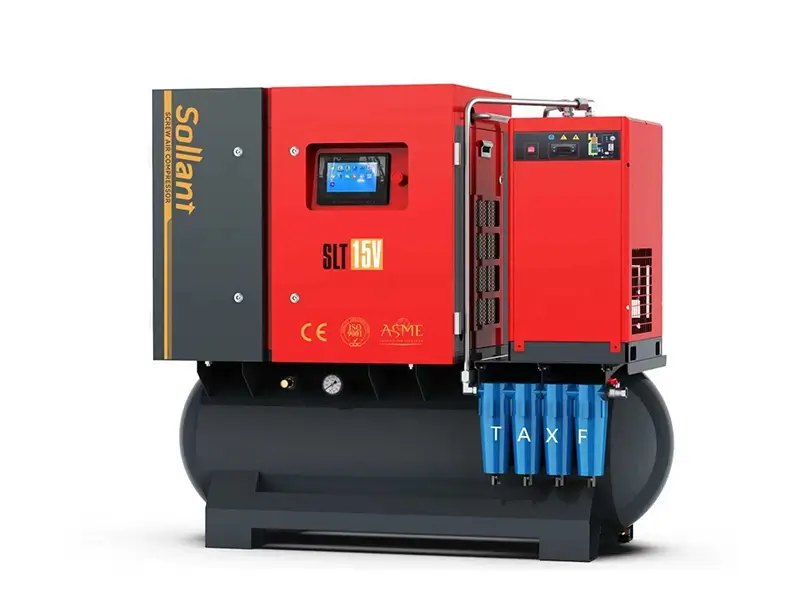
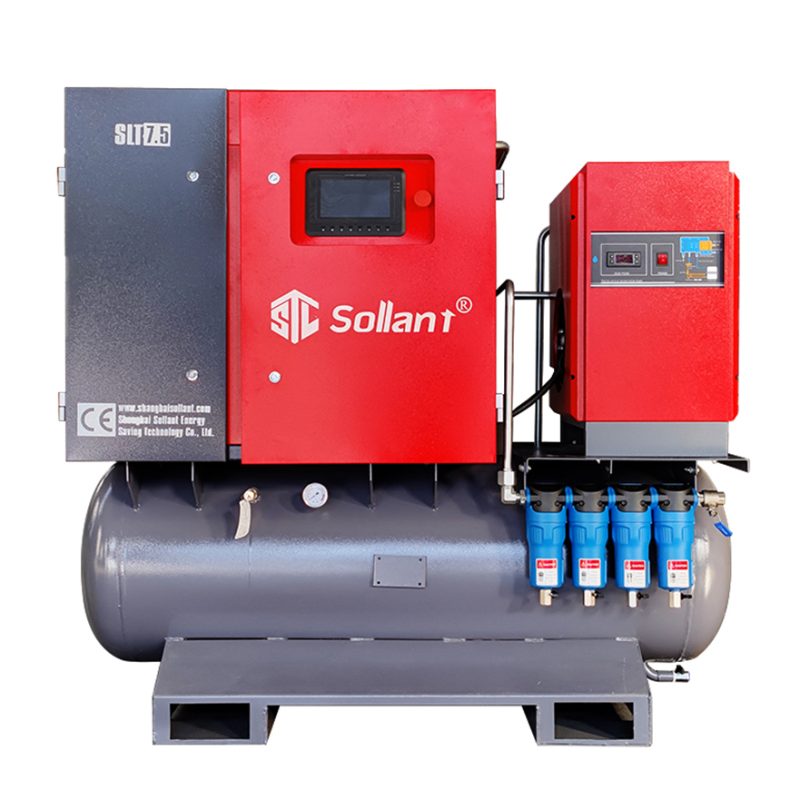
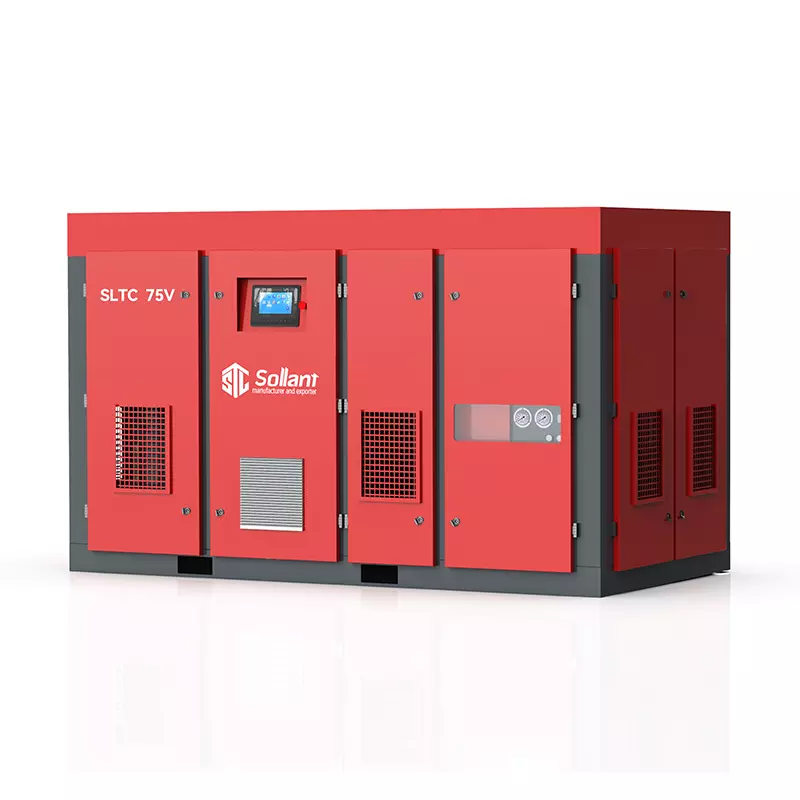
Integrated 4-in-1 Air Compressor
- Screw air compressor
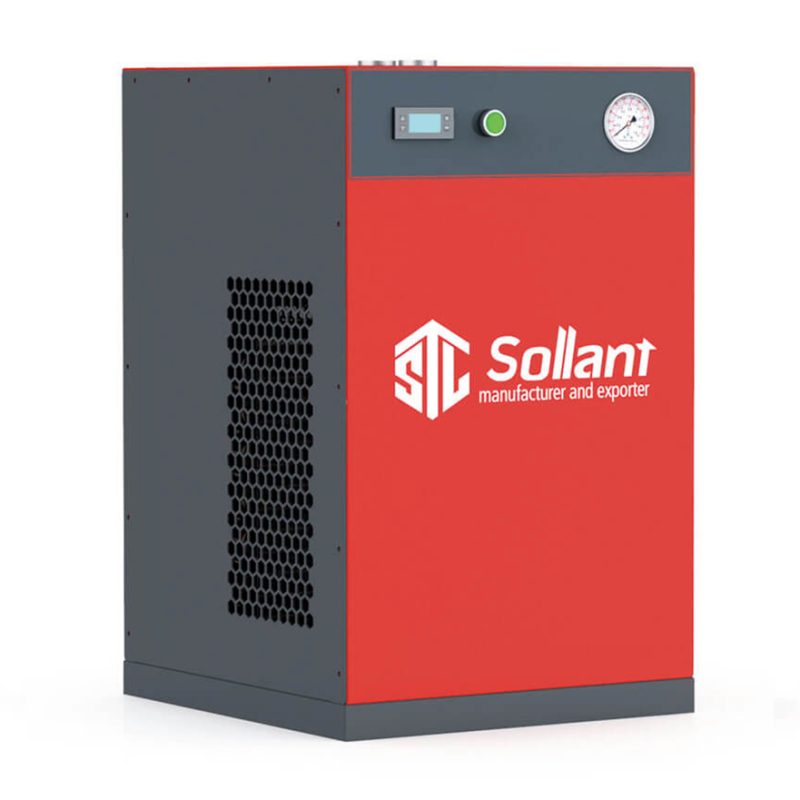
- Air dryer
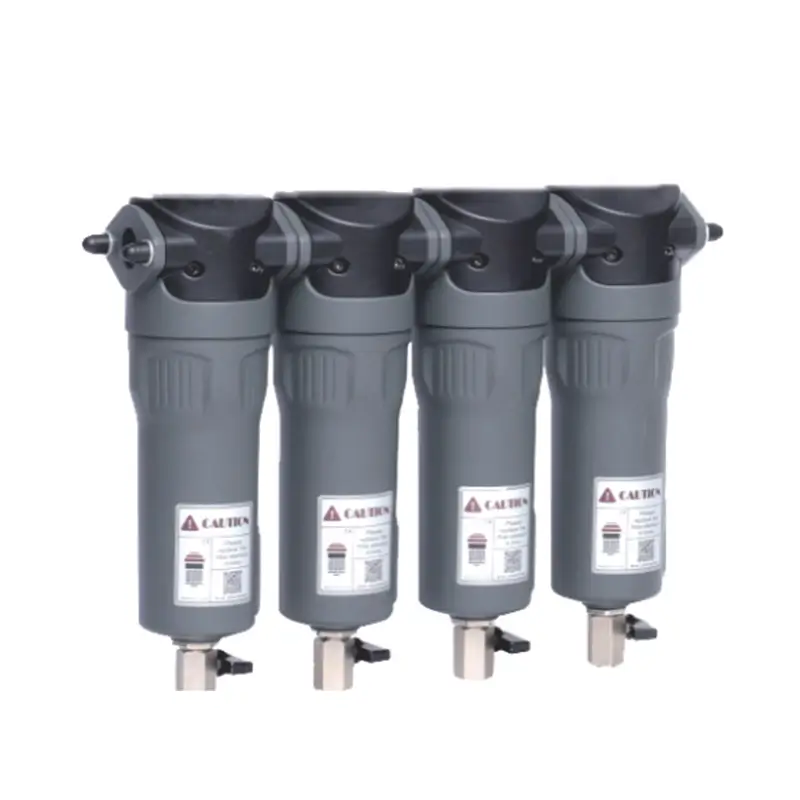
- Precision filters
- Air receiver tank
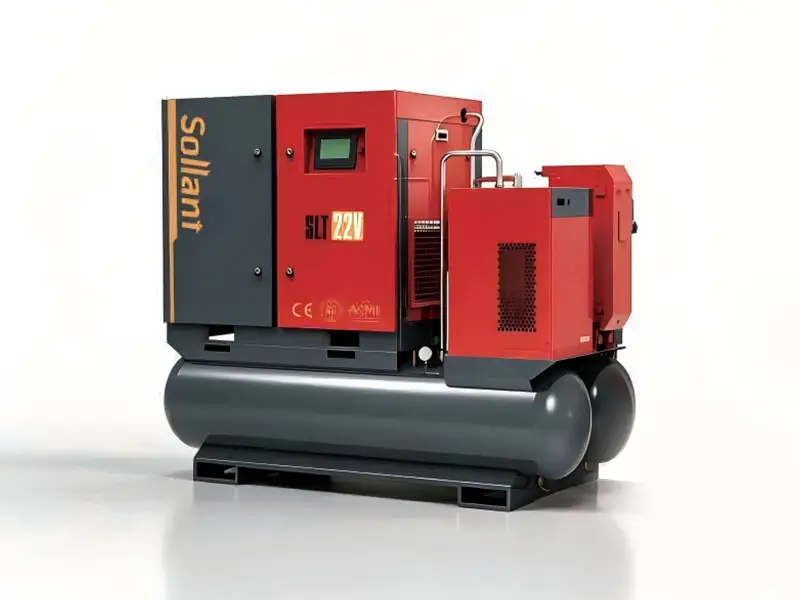
Integrated 5-in-1 Air Compressor
- Screw air compressor
- Refrigerated air dryer
- Precision filters
- Air receiver tank
- Modular desiccant dryer
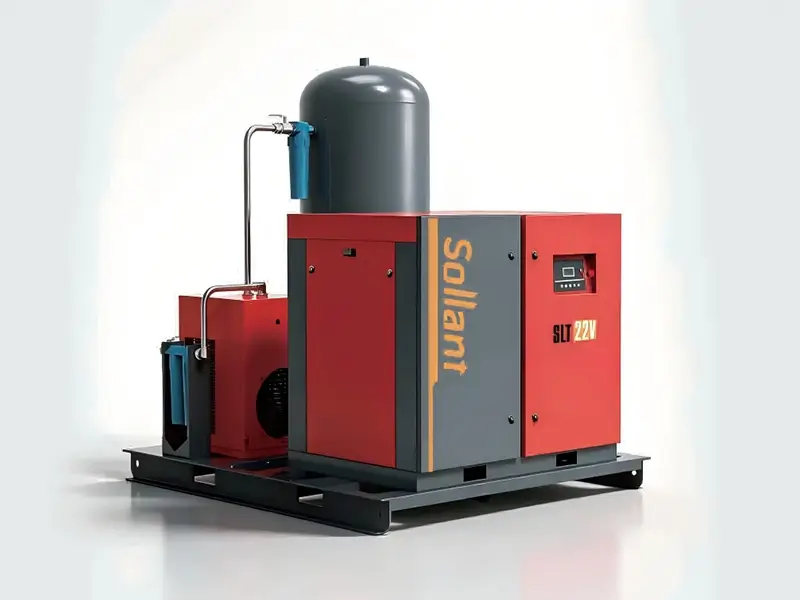
Skid-Mounted 4-in-1 Air Compressor
- Air compressor
- Refrigerated air dryer
- Precision filters
- Air receiver tank
- Modular skid base
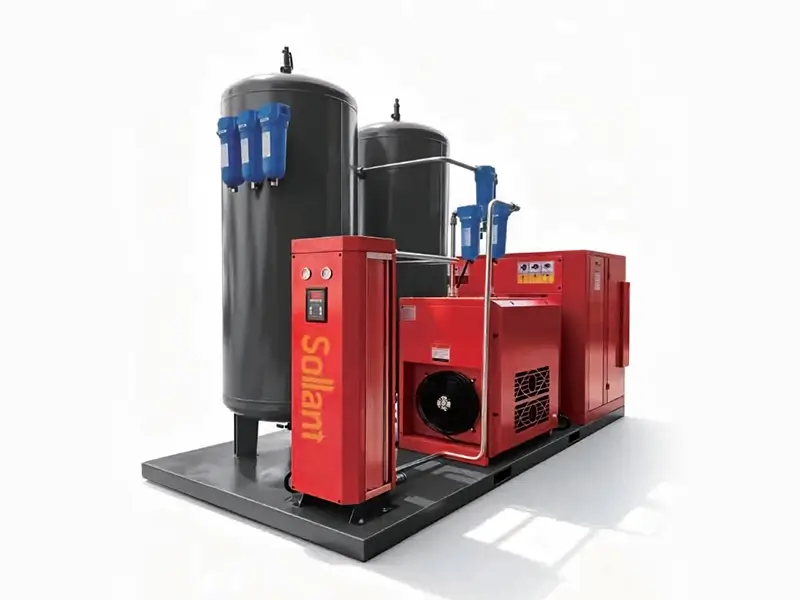
Skid-Mounted 5-in-1 Air Compressor
- Air compressor
- Refrigerated air dryer
- Precision filters
- Air receiver tank
- Modular desiccant dryer
- Modular skid base
Key Advantages
✓ Lower Gas Cost
Compressed air can be a cost-effective alternative to nitrogen for suitable laser cutting applications.
✓ Integrated Design
Compression, drying, filtration and storage are all seamlessly combined into a single, compact system.
✓ Clean & Dry Air
Multi-stage air treatment helps remove moisture, oil aerosols and particles before the gas reaches the laser cutting system.
✓ Reduced Installation Complexity
Fewer external connections and less interconnecting piping can simplify installation and help reduce potential leakage and pressure-loss points.
✓ High-Temperature Reliability
Selected configurations are designed for stable operation in demanding industrial environments.
✓ Space Efficient
Integrated and skid-mounted designs reduce equipment footprint and simplify system deployment.
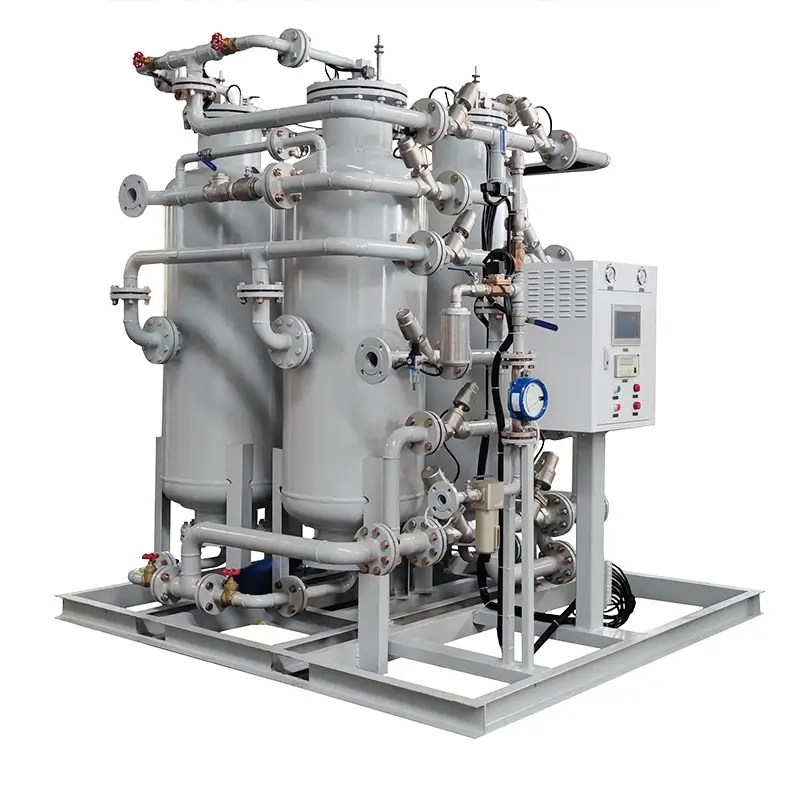
On-Site Nitrogen
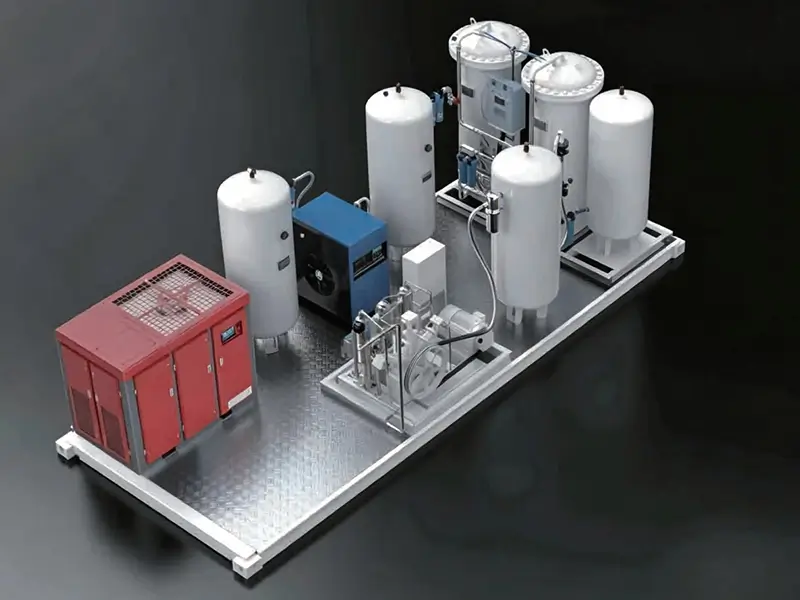
Clean, Oxidation-Free Cutting
Best for:
Stainless steel, aluminum and applications where edge appearance is critical.
Solution:
On-Site Nitrogen Generation
Key Benefits:
- High nitrogen purity
- Stable pressure
- Continuous supply
- Reduced gas delivery dependency
- Lower gas logistics complexity
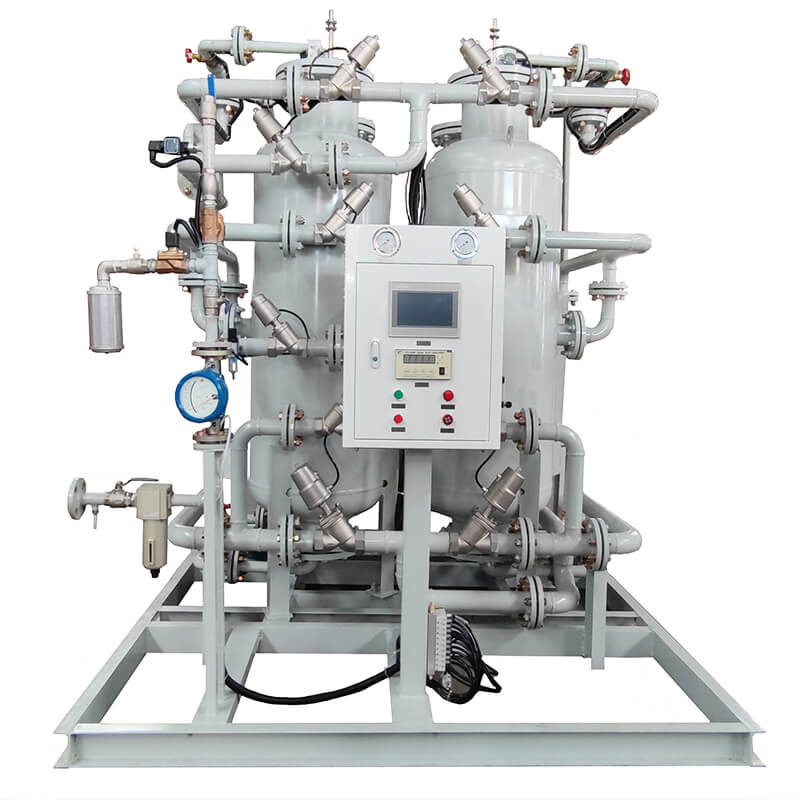
On-Site Oxygen
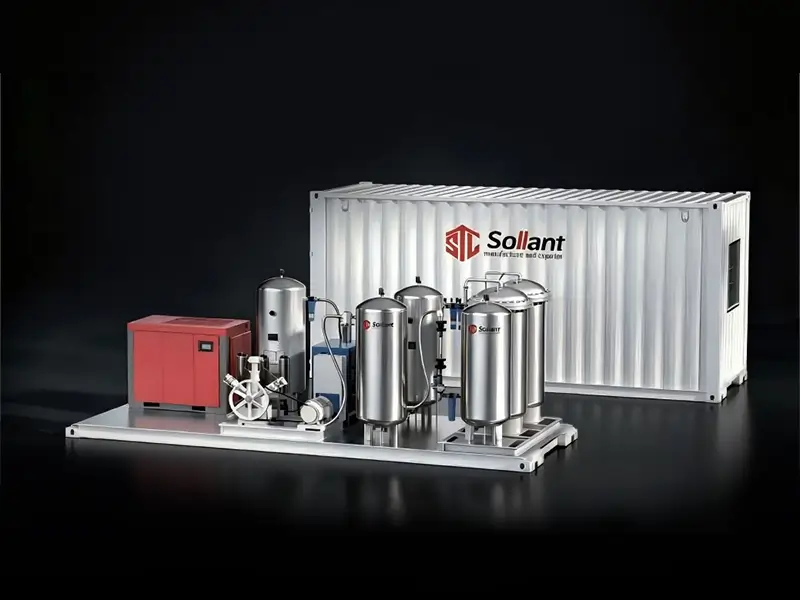
High-Productivity Carbon Steel Cutting
Best for:
Mild steel / carbon steel and many medium-to-thick plate applications.
Solution:
On-Site Oxygen Generation
Key Benefits:
- Designed for carbon steel
- Efficient thick-plate cutting
- Stable oxygen supply
- On-site generation
- Simplified gas management
Technical Specifications
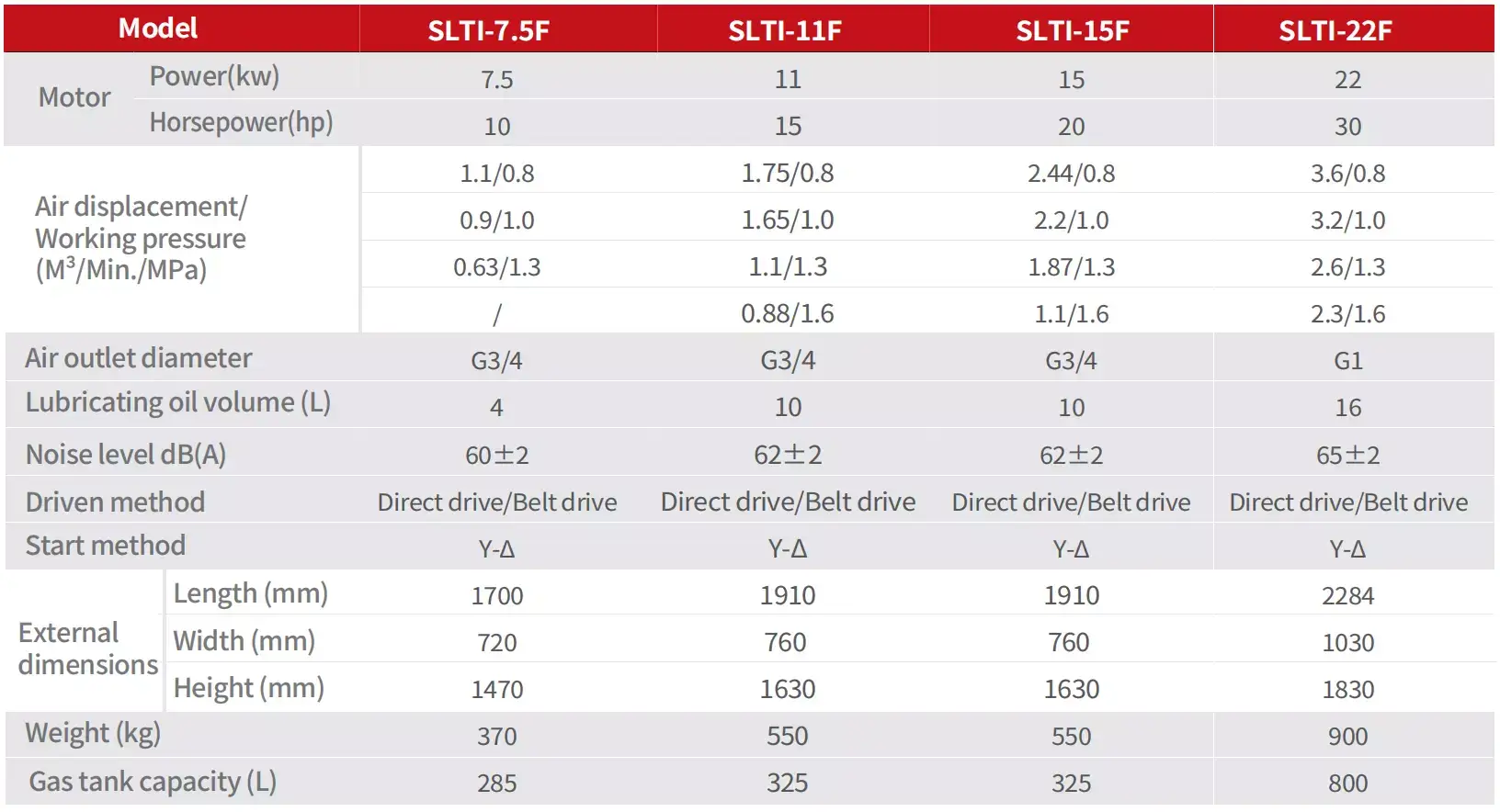
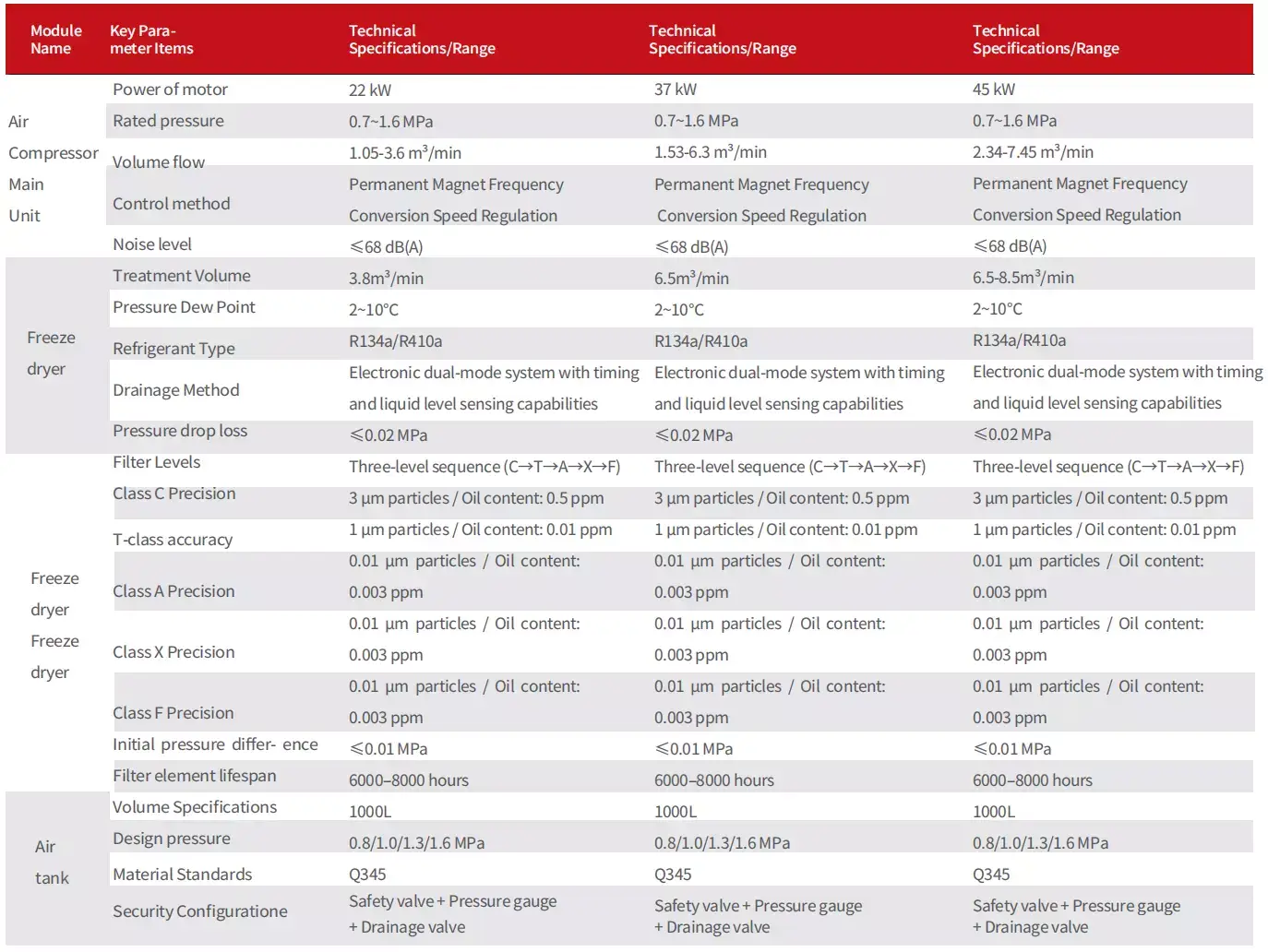
4-IN-1 Fixed Speed Screw Air Compressor Specification
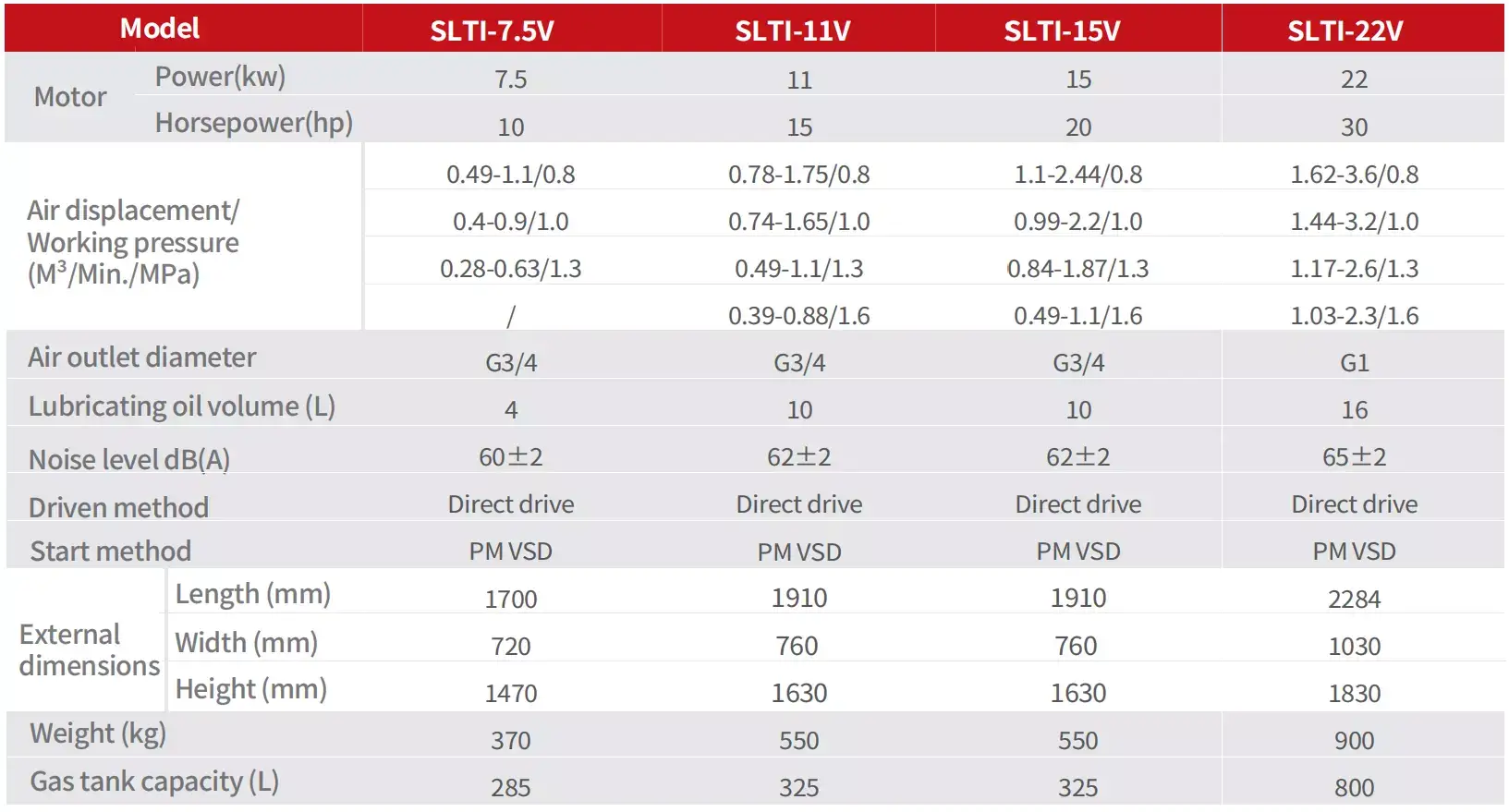
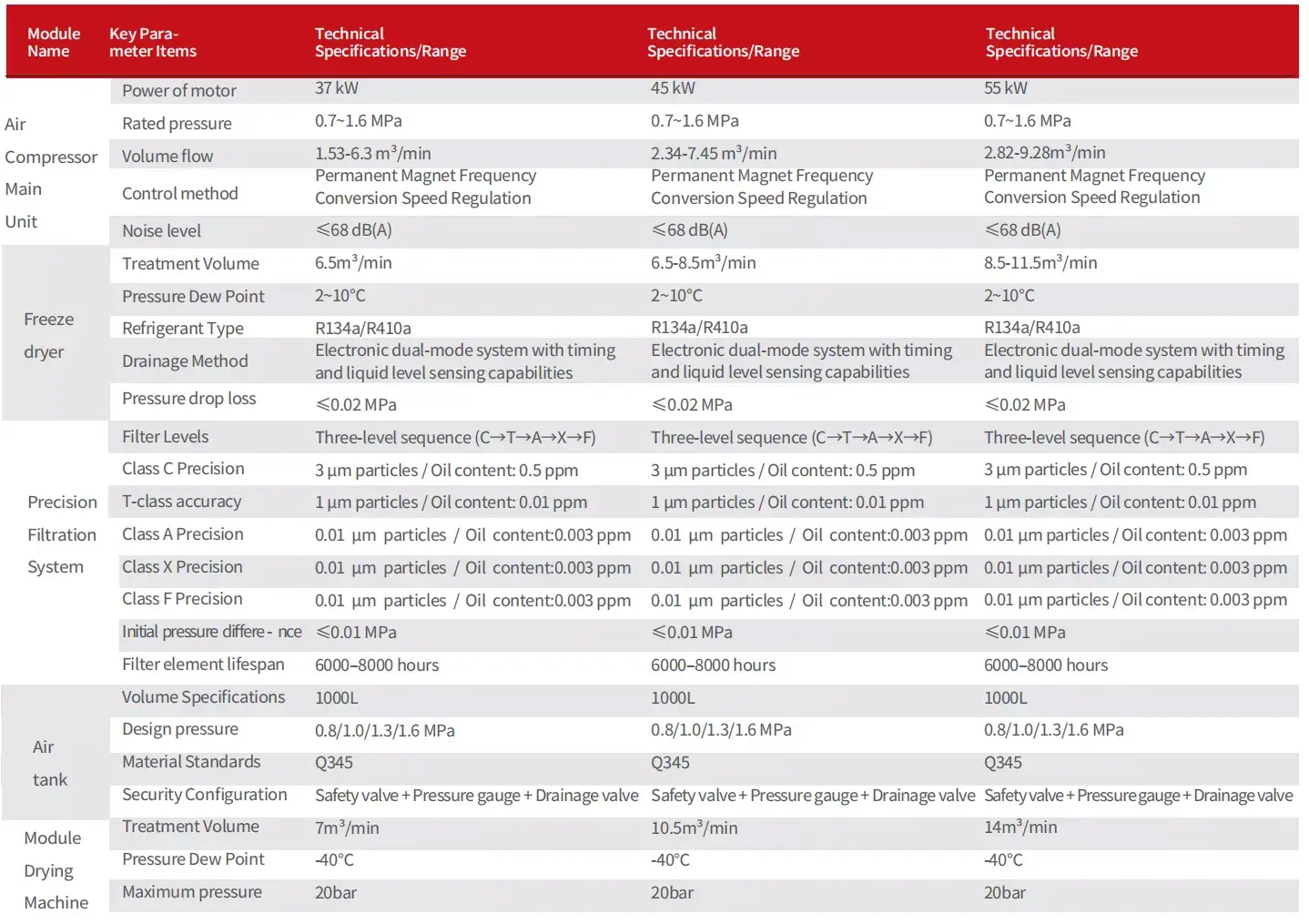
4-IN-1 Variable Speed Screw Air Compressor Specification
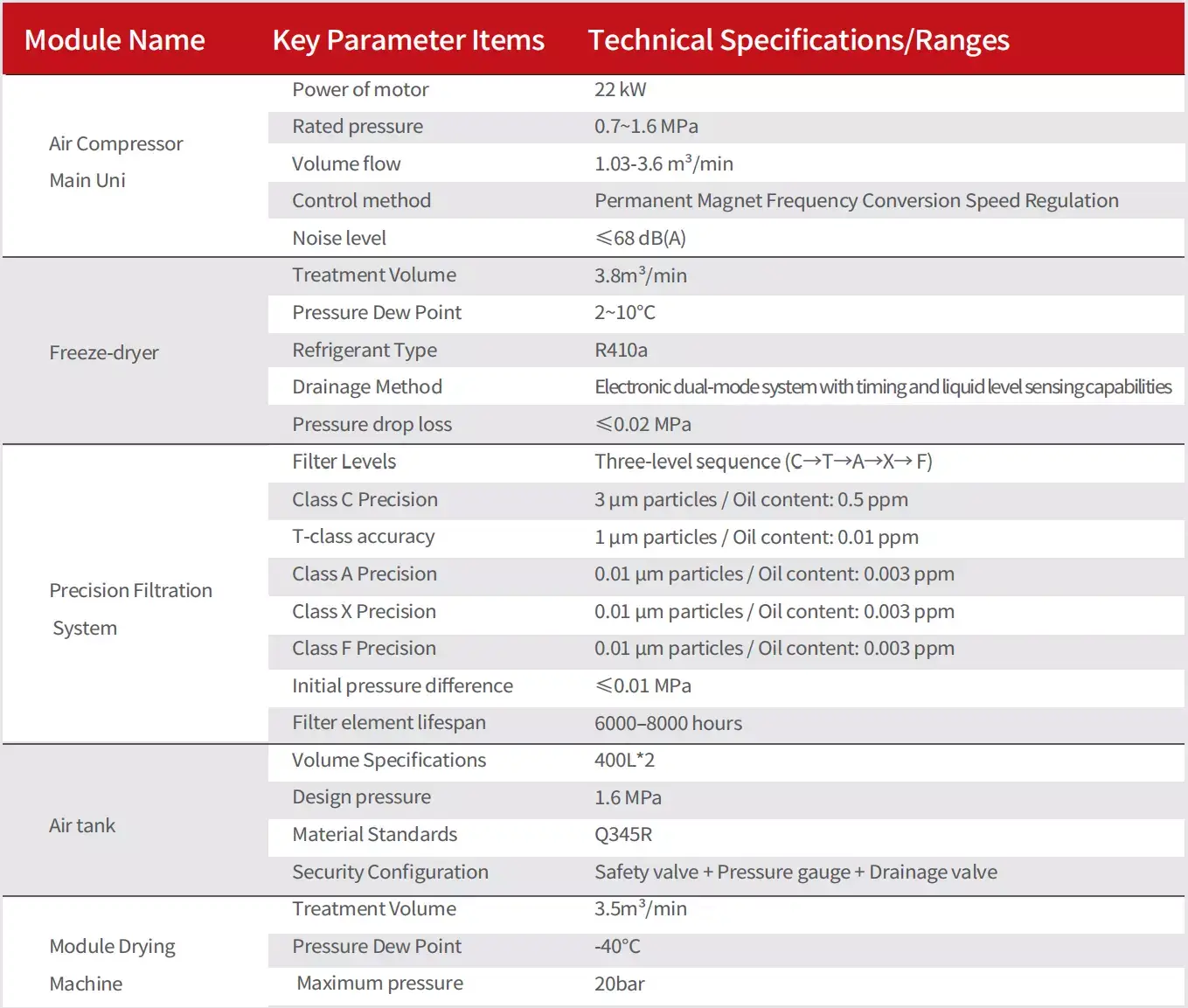
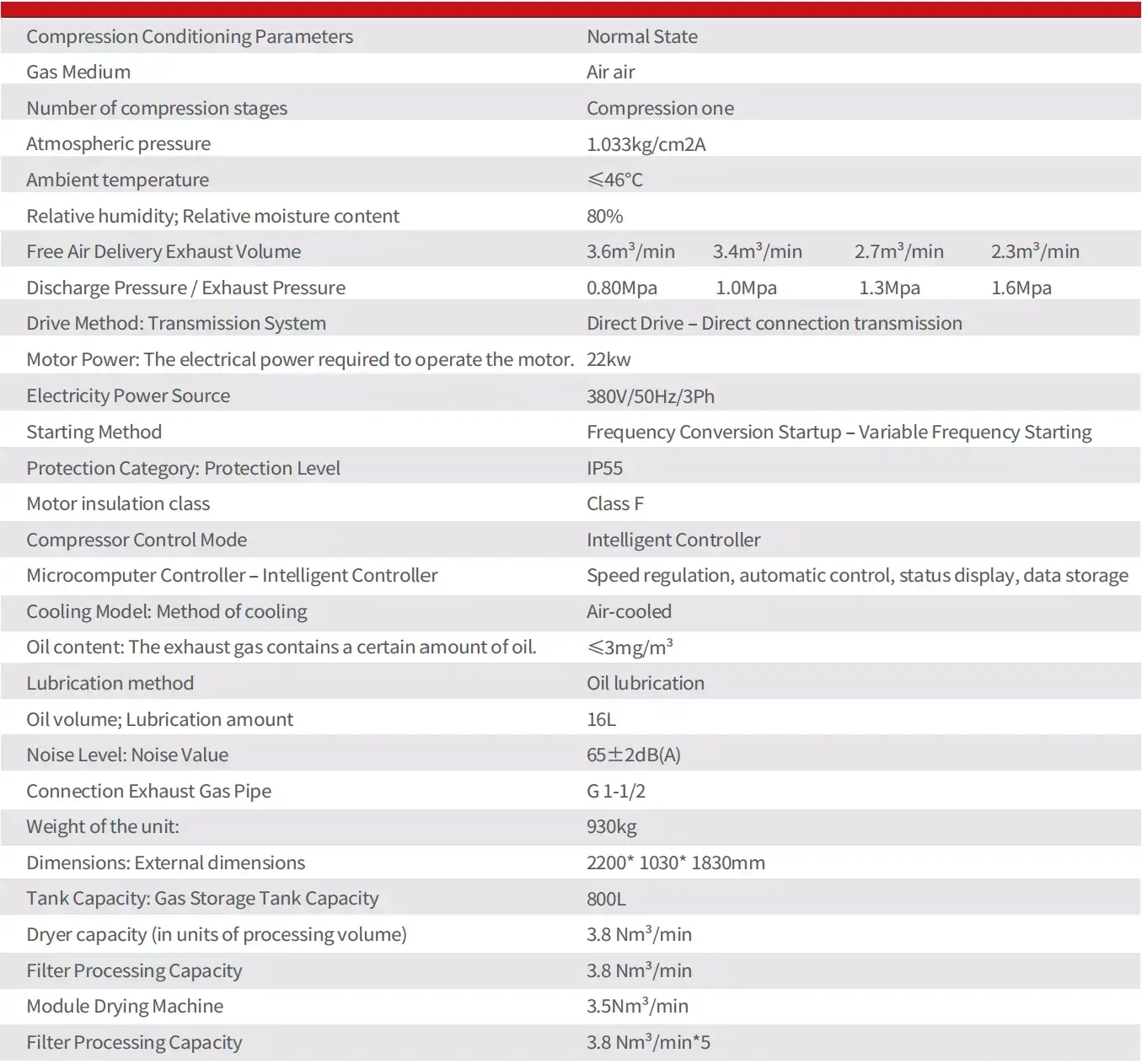
Laser Cutting Assist Gas Selection Guide
The right laser cutting assist gas helps balance cutting performance, edge quality, operating cost and material thickness. Choose from compressed air, nitrogen or oxygen based on your cutting requirements.
| Your Priority | Recommended Gas | Typical Applications | Key Benefits | Our Solution |
| Lower Operating Cost | Compressed Air | Aluminum, mild steel and selected stainless steel applications | Cost-effective, readily available and easy to produce on site | 4-in-1 / 5-in-1 Air Compressor |
| Clean, Oxidation-Free Edges | Nitrogen (N₂) | Stainless steel, aluminum, galvanized steel and appearance-critical parts | Clean edges, minimal oxidation and consistent cutting quality | On-Site Nitrogen Generation |
| Carbon Steel & Thick Plate | Oxygen (O₂) | Mild steel and carbon steel | Efficient cutting and additional heat from oxidation | On-Site Oxygen Generation |
| High-Power Laser Cutting | N₂ / O₂ / Compressed Air | High-power fiber laser systems and demanding production environments | Stable pressure, sufficient flow and continuous gas supply | Customized Gas Supply System |
| Multiple Laser Machines | Air / N₂ / O₂ | Multi-machine production lines and centralized gas supply | Reliable continuous supply and simplified gas management | Skid-Mounted / On-Site Generation |
Compressed Air — Lower Your Cutting Gas Cost
For suitable laser cutting applications, compressed air can reduce gas costs while providing a reliable on-site supply. Our integrated systems combine compression, drying, filtration and air storage in a compact package for easy installation and stable process air.
Best for: Cost-sensitive laser cutting, aluminum and selected mild steel or stainless steel applications.
Nitrogen — Clean, Oxidation-Free Laser Cutting
Choose nitrogen when clean edges, minimal oxidation and consistent cutting quality are critical. On-site nitrogen generation provides a continuous supply while reducing reliance on cylinders or bulk gas deliveries.
Best for: Stainless steel, aluminum, galvanized steel and appearance-critical applications.
Oxygen — Efficient Carbon Steel Cutting
Oxygen is widely used for carbon steel laser cutting, where the oxidation reaction can improve cutting efficiency and support many medium- and thick-plate applications.
Best for: Mild steel and carbon steel where cutting productivity and thick-plate performance are priorities.

-800x800.jpg "Oil Injected Screw AirCompressor11kw(2)")

Laser Cutting Applications We Support
Laser cutting requires a stable supply of clean, dry compressed air. The right air compressor depends on the material, laser power, number of machines and production schedule.
Sollant supplies integrated air compressor systems for laser cutting workshops, metal manufacturers and industrial production lines.
① Sheet Metal Fabrication
For cutting carbon steel, stainless steel, aluminum and galvanized steel, stable compressed air helps support consistent cutting performance and reliable daily production.
Recommended Solution:
4-in-1 / 5-in-1 Integrated Air Compressor System
On-Site Nitrogen Generation System
✓ Stable air pressure
✓ Built-in drying and filtration
✓ Compact installation for limited workshop space
② Automotive Parts Manufacturing
Automotive manufacturers need reliable compressed air for continuous laser cutting of brackets, panels, structural parts and other metal components.
Recommended Solution:
4-in-1 Integrated Air Compressor System
On-Site Nitrogen Generation System
✓ Stable airflow for long production cycles
✓ Intelligent control for changing air demand
✓ Lower energy consumption and operating costs
③ Electrical Cabinet Manufacturing
Laser cutting is widely used for electrical cabinets, control panels and sheet metal enclosures. A compact air compressor system helps maintain production efficiency while saving valuable workshop space.
Recommended Solution:
4-in-1 Integrated Air Compressor
✓ Space-saving design
✓ Clean and dry compressed air
✓ Simplified installation and maintenance
④ Kitchenware & Metal Products
Stainless steel kitchenware, commercial equipment and metal products often require high-volume, consistent laser cutting.
Recommended Solution:
5-in-1 Integrated Air Compressor System
✓ Designed for continuous operation
✓ Integrated compression, drying and filtration
✓ Reliable air quality for demanding production environments
⑤ Contract Laser Cutting Services
Contract laser cutting companies handle different materials, orders and production volumes every day. Their compressed air demand can change frequently.
Recommended Solution:
Air Compressor Customized to Actual Air Demand
✓ Supports changing production requirements
✓ Suitable for multiple laser cutting machines
✓ Helps reduce unloaded operation and energy waste
⑥ Flexible Production Lines
For workshops that need fast installation, production expansion or equipment relocation, a skid-mounted integrated air compressor provides a practical and flexible solution.
Recommended Solution:
Skid-Mounted 4-in-1 or 5-in-1 Air Compressor System
✓ Fast and simplified installation
✓ Reduced piping and connection points
✓ Easy to relocate or expand with production
Typical Customer Applications
Sheet Metal Cutting Operations at a Machinery Manufacturing Plant
Challenge
Stable air supply, limited workshop space and complex traditional air system installation.
Solution
Sollant Integrated Air Compressor Solution with compression, drying, filtration and air storage.
Results / Benefits
✓ 30% Improvement in Cutting Quality
✓ 50% Reduction in Maintenance Costs
✓ More compact installation
✓ Simplified air system configuration
✓ Cleaner and drier compressed air
✓ Stable air supply for production
✓ Easier operation and maintenance
Results based on a specific customer application and may vary depending on operating conditions.
Laser Cutting Air Compressors: FAQ
A rotary screw air compressor is generally a good choice for laser cutting because it provides a stable and continuous supply of compressed air for demanding production environments. For applications with variable air demand, a PM VSD (Permanent Magnet Variable Speed Drive) compressor can further improve energy efficiency by adjusting compressor output according to actual demand.
The right compressor also depends on your laser power, required cutting pressure and airflow, material, plate thickness, and operating schedule. Sollant can recommend a suitable compressor and complete air treatment system based on your specific laser cutting requirements.
The required air pressure depends on the laser power, cutting material, plate thickness, nozzle configuration, and cutting parameters. Many laser cutting applications operate within a pressure range of approximately 6–16 bar, but the exact requirement should always be confirmed according to the laser cutting machine manufacturer’s specifications.
Using insufficient pressure may affect cutting performance, while unnecessarily high pressure can increase energy consumption. Sollant can help select the appropriate compressor pressure and airflow based on your machine and application.
Choosing the right compressor size requires more than simply matching the laser’s power rating. You should consider the required air pressure, airflow, laser power, material and thickness, operating hours, and whether the system supplies one or multiple laser cutting machines.
For example, a single low-power laser cutter may require a different configuration from a high-power fiber laser or a centralized system serving multiple machines. An oversized compressor can increase investment and energy costs, while an undersized system may cause pressure fluctuations.
For an accurate recommendation, provide your laser power, cutting material, plate thickness, required pressure, and number of machines to Sollant’s engineers.
In most laser cutting applications, an air dryer is strongly recommended, particularly when compressed air is used as an assist gas. Compressed air naturally contains moisture, and untreated moisture can enter the cutting system, affecting air quality and potentially causing corrosion, contamination, and inconsistent cutting performance.
A suitable refrigerated or desiccant air dryer, combined with appropriate filtration, can help remove moisture and maintain cleaner, drier compressed air. The appropriate dryer type depends on your required air quality, pressure, flow rate, ambient conditions, and application.
Neither is universally better—the best choice depends on the material, thickness, required edge quality, production speed, and operating cost.
Compressed air is often attractive for its low operating cost and convenient on-site supply. It can be suitable for many general laser cutting applications.
Nitrogen is commonly selected when a clean, oxidation-free cutting edge is a priority, especially for stainless steel and other applications where surface appearance is important. However, nitrogen generally has a higher operating cost unless it is generated on site.
Sollant can provide compressed air, nitrogen generation, and integrated gas supply solutions to help you choose the most economical option for your application.
Yes. Sollant can provide integrated compressed air and gas supply solutions for laser cutting applications, including air compressors, air dryers, precision filters, air receiver tanks, and nitrogen generation systems where required.
Integrated 4-in-1 and 5-in-1 configurations can combine key components into a compact system, helping reduce installation work, save floor space, and simplify system management.
The final configuration can be customized according to your laser power, gas requirements, pressure, airflow, and production needs.
Yes. Sollant can design customized compressed air and gas supply systems for facilities operating multiple laser cutting machines.
A centralized system can be configured based on the total airflow demand, required pressure, number of machines operating simultaneously, operating schedule, and future expansion plans. Depending on the application, the system may include multiple compressors, air receivers, dryers, filters, and gas-generation equipment.
Our engineers can evaluate your existing equipment and production requirements to recommend a suitable centralized or modular solution.
The most effective way to reduce compressed air costs is to optimize both compressor operation and the overall air system. Key measures include:
- Choosing the correct compressor size to avoid excessive capacity.
- Using PM VSD technology when air demand varies.
- Selecting the appropriate operating pressure instead of running at unnecessarily high pressure.
- Regularly checking for and repairing compressed air leaks.
- Using an efficient air dryer and filtration system with low pressure drop.
- Maintaining compressors, dryers, filters, and air receivers properly.
- Monitoring actual airflow and energy consumption to identify inefficiencies.
- Considering an integrated air compressor system to reduce unnecessary installation and operating losses.
For high-volume laser cutting operations, Sollant can evaluate your air demand and recommend an energy-efficient compressor configuration based on your actual operating conditions.
Request a Quick Quote Now
Order or No Order? We're here for you 24/7

