
Air Separation Industry
The highly efficient and energy-saving Sollant screw air compressor is ideally suited for the continuous, round-the-clock operation of air separation units, reducing overall energy consumption and extending maintenance cycles.
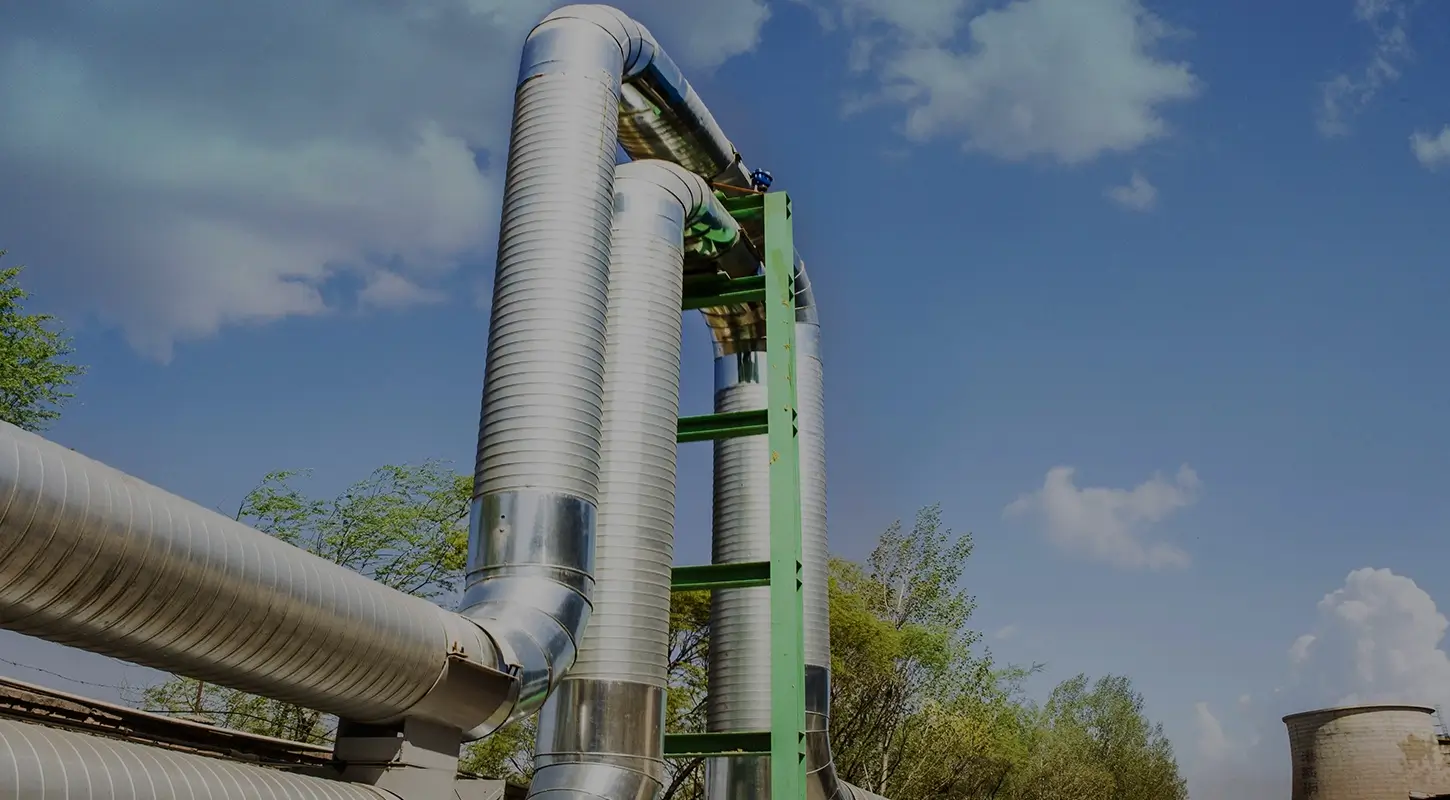
The Importance of Air Compressors
Why Do Air Separation Processes Require Air Compressors?
The air compressor serves as the “heart” of an air separation unit, providing the power source for gas separation.
In the air separation process, the air compressor plays an indispensable role. After being filtered, ambient air is first compressed by the air compressor to the pressure required by the process (typically 0.5–0.7 MPa). This not only establishes the power foundation for subsequent pre-cooling, purification, and rectification stages, but also constitutes the fundamental physical prerequisite for the efficient separation of oxygen and nitrogen.
Providing Separation Conditions: Cryogenic air separation relies on the liquefaction of high-pressure air following expansion cooling; the air compressor serves as the starting point for realizing this energy conversion.
Ensuring Gas Purity: Air separation processes demand extremely high standards for the cleanliness of the inlet air. Specialized air compressors—particularly oil-free models—effectively prevent oil contamination of molecular sieves and rectification columns, thereby ensuring the high purity of the output gases.
Determining System Energy Consumption: The compression stage accounts for the vast majority of an air separation unit’s total energy consumption; consequently, an efficient and stable air compressor is the key to reducing operating costs.
Air Separation Process
Typical modern air separation processes employ a pressurized molecular sieve purification, all-low-pressure flowsheet (the “MS Process”), primarily comprising the following steps:
Air Intake and Compression: Atmospheric air passes through a filter to remove impurities before entering an air compressor (the main air compressor), where it is compressed to approximately 0.6 MPa, resulting in a corresponding rise in temperature.
Pre-cooling and Purification: The compressed air enters an air cooling tower (or pre-cooling system) to lower its temperature while undergoing preliminary scrubbing. Subsequently, it passes through molecular sieve adsorbers (operating via a dual-tower switching cycle) to thoroughly remove impurities—such as moisture, carbon dioxide, and hydrocarbons—thereby preventing ice blockages within the cryogenic equipment.
Pressurization and Expansion Refrigeration: A portion of the purified air enters a booster compressor for further pressurization; one stream of this air is cooled via the main heat exchanger before entering the rectification column, while the other stream enters an expander to undergo expansion refrigeration, thereby providing the necessary cooling capacity for the entire system.
Rectification Separation: The cooled high-pressure/medium-pressure air enters a dual-stage rectification column (consisting of a lower column and an upper column). Here, separation is achieved by exploiting the differences in the boiling points of components such as oxygen, nitrogen, and argon, yielding products including liquid oxygen, liquid nitrogen, pure nitrogen, gaseous oxygen, and gaseous argon.
Product Output: Depending on specific requirements, either external compression or internal compression processes may be utilized to deliver gaseous or liquid products at various pressure levels. Waste nitrogen is utilized for the regeneration of the molecular sieves and for cooling purposes.
The entire process operates with high efficiency, safety, and continuity. Modern large-scale air separation units typically employ a Distributed Control System (DCS) to facilitate fully automated operation.
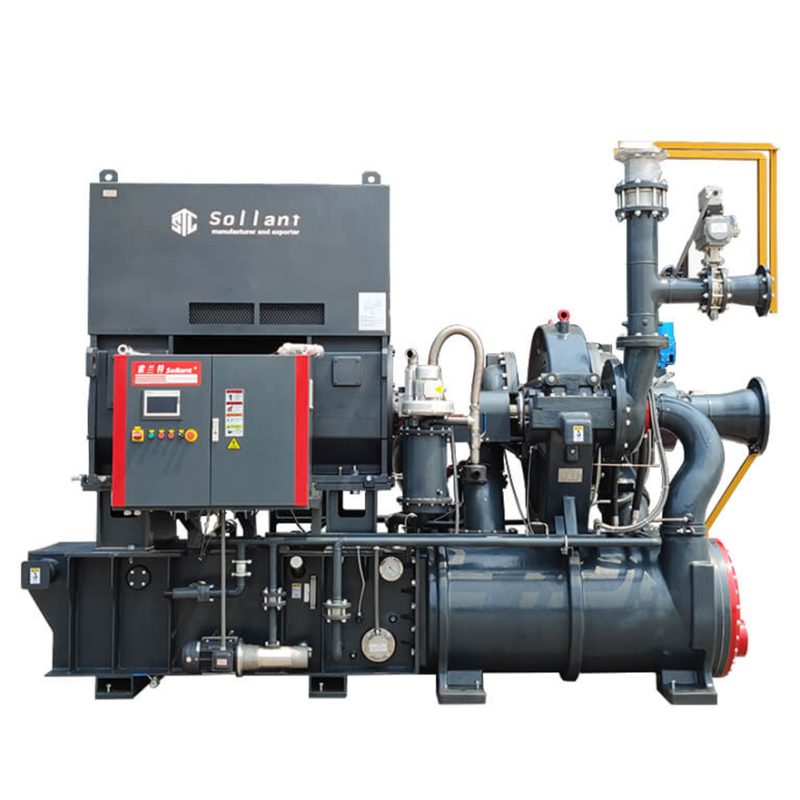
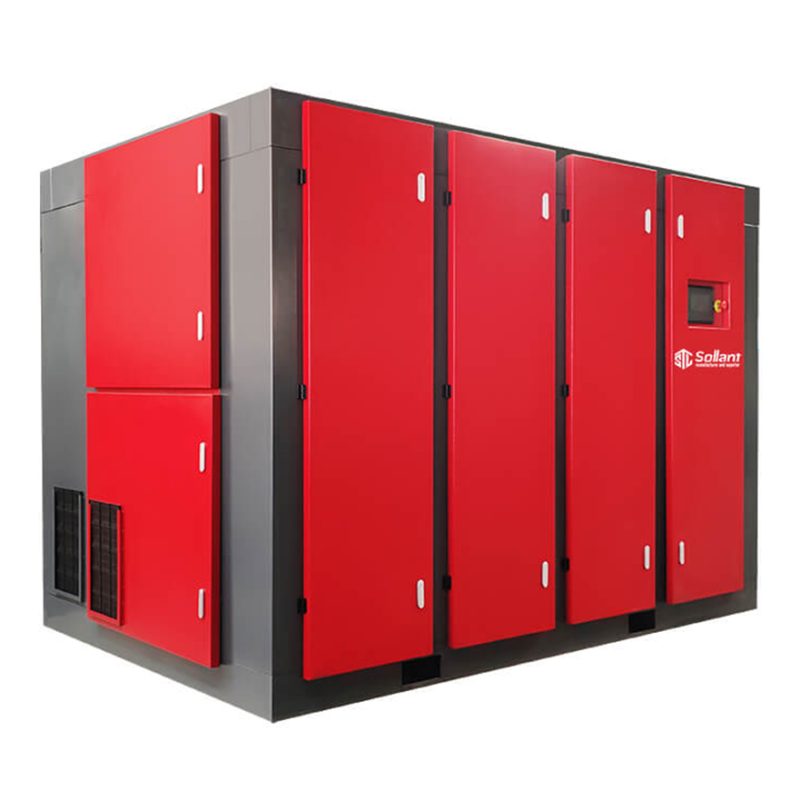
Contact Sollant To Learn More About Sollant Air Compressors

-800x800.jpg "Oil Injected Screw AirCompressor11kw(2)")
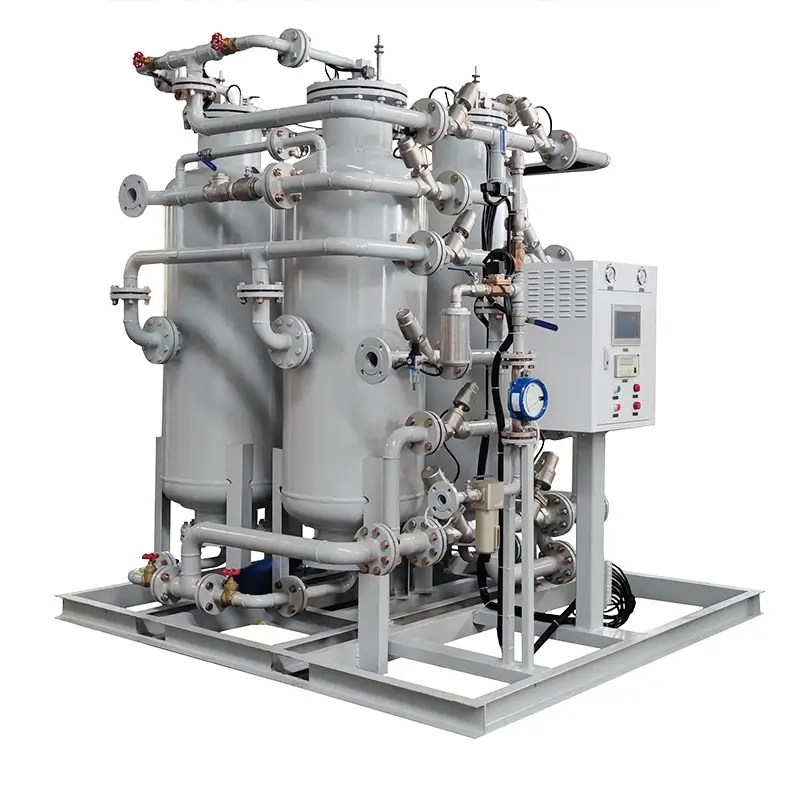
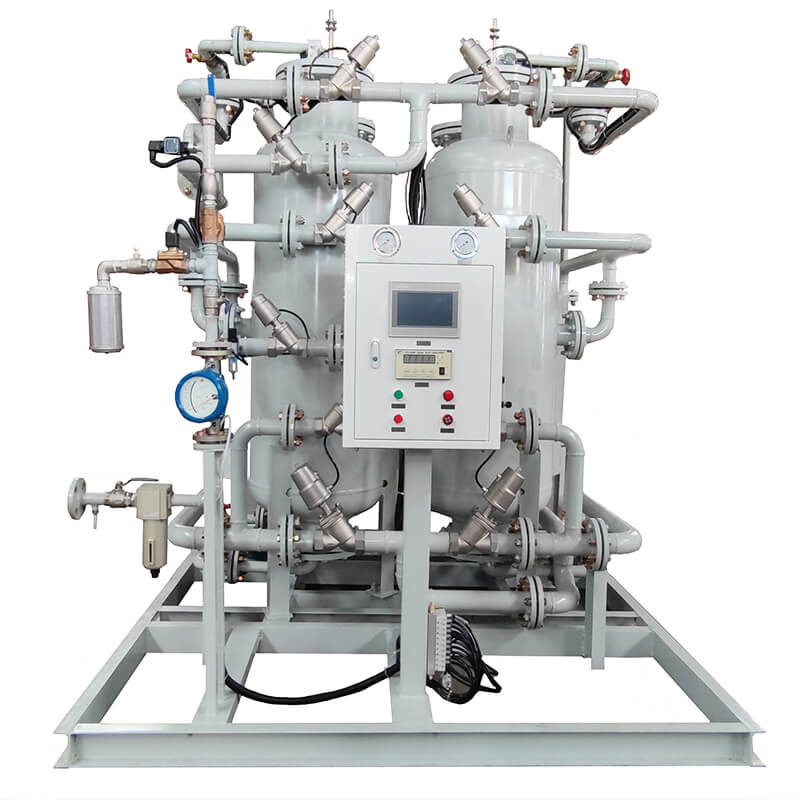
Typical Application Scenarios
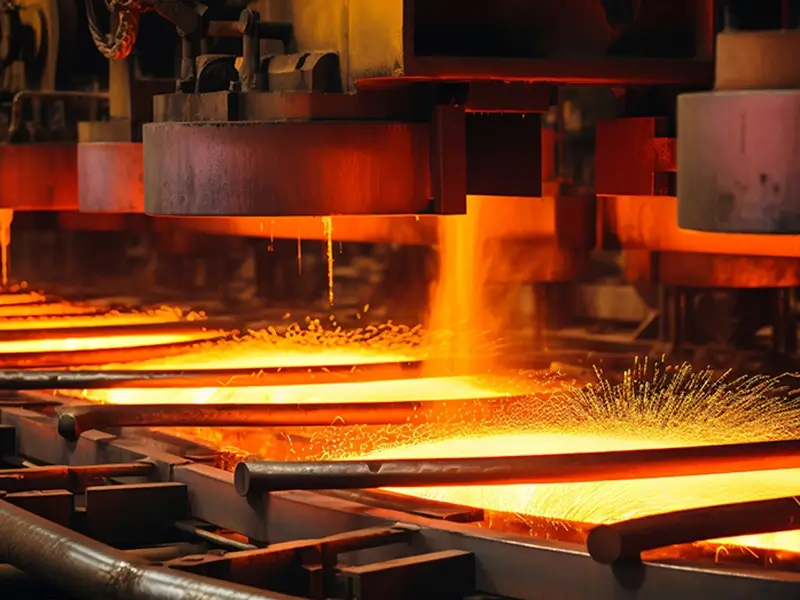
- Iron & Steel Metallurgy: Large-scale air separation units—integrated with blast furnaces and steelmaking operations—supply oxygen and nitrogen for combustion support and furnace protection, while air compressors ensure a stable gas supply.
- Coal Chemical/Petrochemical: For coal-to-olefins and refining/chemical complexes, air separation units provide process gases and inert protective atmospheres; the air compressors are designed to withstand heavy loads and fluctuations in operating conditions.
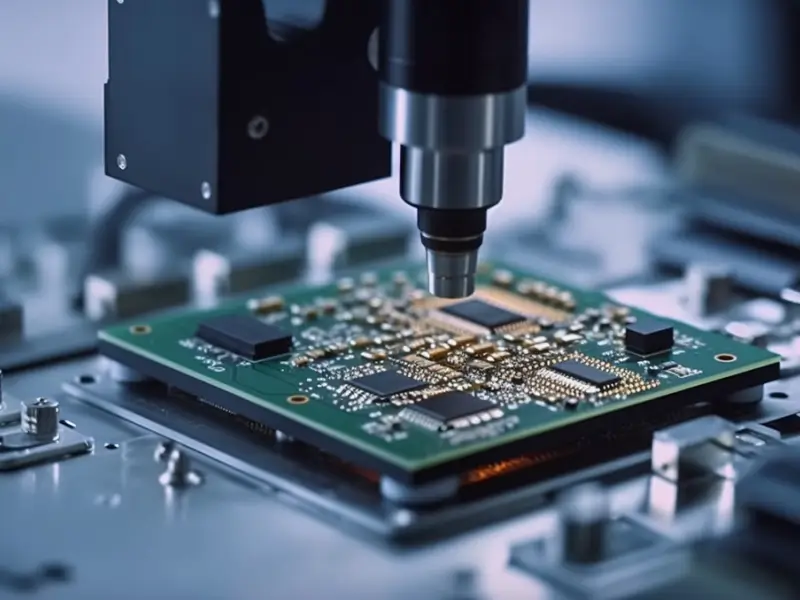
- Electronics & Semiconductors: In chip and display panel manufacturing, where ultra-high-purity gases are essential, oil-free air compressors are utilized to guarantee a completely contamination-free gas source.
- Medical & Bio-Pharma: For medical oxygen generation and pharmaceutical production facilities, systems supply medical-grade oxygen and sterile nitrogen; the air compressors operate quietly and deliver a clean gas supply, fully complying with medical industry standards.
- Non-ferrous Metal Smelting: In aluminum electrolysis and rare metal processing, systems provide oxygen-enriched air for combustion support and inert protective atmospheres, specifically engineered for long-duration, continuous operation.
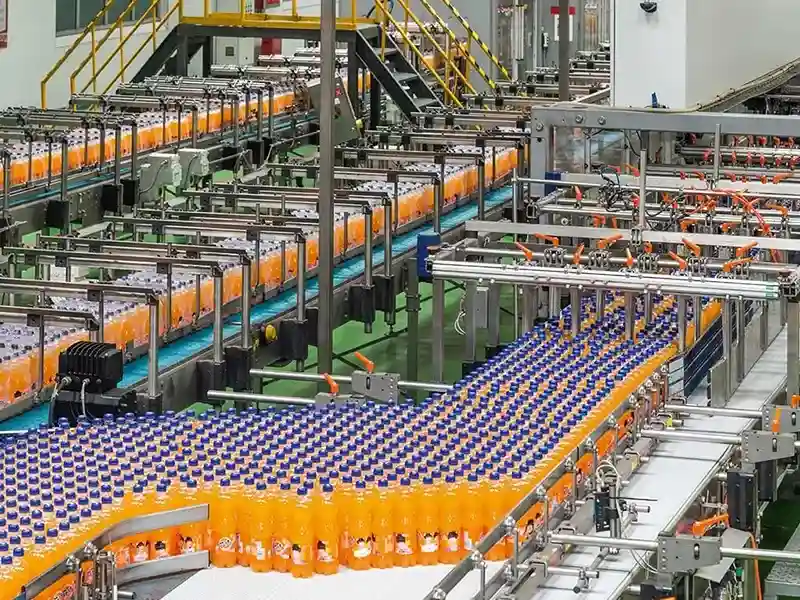
- Food & Glass: For food preservation and glass melting furnaces, compact to medium-sized screw air compressors are deployed, offering energy efficiency, hassle-free operation, and low maintenance costs.
Why Choose Us?
Energy-Efficient & Stable
Featuring a high-efficiency variable-frequency design, our systems save 15%–30% on energy costs and support 24-hour continuous operation.
Pure Air Source
We offer a comprehensive range of completely oil-free models, ensuring gas purity and extending the service life of air separation equipment.
One-Stop Service
We provide dedicated, end-to-end support—from on-site surveys and customized solution design to installation, operation, and maintenance.
Low Consumption & Durability
Built with precision-engineered core components, our systems boast a low failure rate and minimal operating and maintenance costs.
Air Separation Industry Air Compressor FAQ
What are the primary differences between air separation compressors and standard industrial compressors?
Air separation compressors impose requirements regarding gas purity, operational continuity, energy efficiency, and safety that are far more stringent than those for standard industrial compressors. They must be capable of adapting to the unique operating conditions of deep cryogenic processes, supporting high-flow, high-pressure output, and strictly controlling oil carryover and vibration. Standard industrial compressors struggle to meet these rigorous demands, often leading to molecular sieve contamination or cold box malfunctions. Our product series, developed specifically for the air separation industry, features targeted optimizations across various aspects—including materials, sealing systems, and control logic—to address these specific needs.
What are the air quality requirements for air separation compressors?
Air separation units impose extremely stringent requirements on the quality of both intake air and compressed air; specifically, the air must be free of dust and oil contamination, and characterized by a low dew point and low moisture content. If dust, moisture, or oil mist enters the air separation system, it can freeze and cause blockages within the cryogenic piping, thereby damaging the main heat exchanger and the rectification column. Furthermore, it can overload the molecular sieves, leading to premature contamination and failure. Consequently, the upstream section must be equipped with high-efficiency self-cleaning filters, while the downstream section requires a post-treatment system comprising precision filtration and either a refrigerated or desiccant air dryer. These measures are essential for strictly controlling the quality of the air source and ensuring the long-term safety and stable operation of the air separation unit.
Can a Compressor Failure Affect the Entire Air Separation Unit?
The impact is profound. The air compressor serves as the core gas source for the air separation unit—essentially acting as the “heart” that supplies gas to the entire system. Should a sudden malfunction occur—resulting in an abrupt shutdown or a precipitous drop in pressure—it will directly disrupt the operating conditions of downstream components, including the precooling system, molecular sieve purification system, expander, and rectification column. In less severe cases, this may merely result in gas purity levels failing to meet required standards; in more severe instances, the entire air separation unit may be forced to reduce its load or even undergo a complete shutdown, leading to substantial production losses. Therefore, for critical, large-scale air separation projects, it is highly recommended to configure a “one-working, one-standby” setup—or to employ a redundant compressor arrangement—to ensure a continuous and stable supply of gas.
How do ambient temperature and altitude affect the performance of air separation air compressors?
High temperatures reduce air density, resulting in decreased flow rates and pressures at a given rotational speed, while simultaneously increasing energy consumption. Similarly, the lower atmospheric pressure found at high altitudes also impacts air intake volume. Consequently, corrective calculations must be performed during the design phase, and it may be necessary to increase the capacity of the cooling system or adjust impeller parameters. During the equipment selection and design stages, we thoroughly account for local environmental conditions to ensure that the equipment operates efficiently and stably under actual operating conditions.
What is the typical maintenance cycle for air compressors in air separation projects?
Centrifugal air compressors feature relatively long maintenance intervals; a general major overhaul cycle can extend to 40,000 to 80,000 operating hours (depending on specific operating conditions). Routine inspections are recommended on a quarterly basis, while an annual shutdown inspection should be conducted to examine critical components such as bearings, impellers, and seals. Key areas of focus include vibration levels, bearing temperatures, lubricant quality, the cooling system, and the pressure differential across the air intake filter. Preventive maintenance can significantly mitigate the risk of sudden, unexpected shutdowns. We offer customized preventive maintenance plans and rapid spare parts supply services to ensure continuous equipment operation cycles exceeding two years, thereby minimizing any disruption to air separation production.
Request a Quick Quote Now
Order or No Order? We're here for you 24/7

