
Packaging Industry
Sollant air compressors, specifically designed for packaging applications, comply with rigorous packaging hygiene standards, making them the ideal choice for the food and pharmaceutical packaging industries.
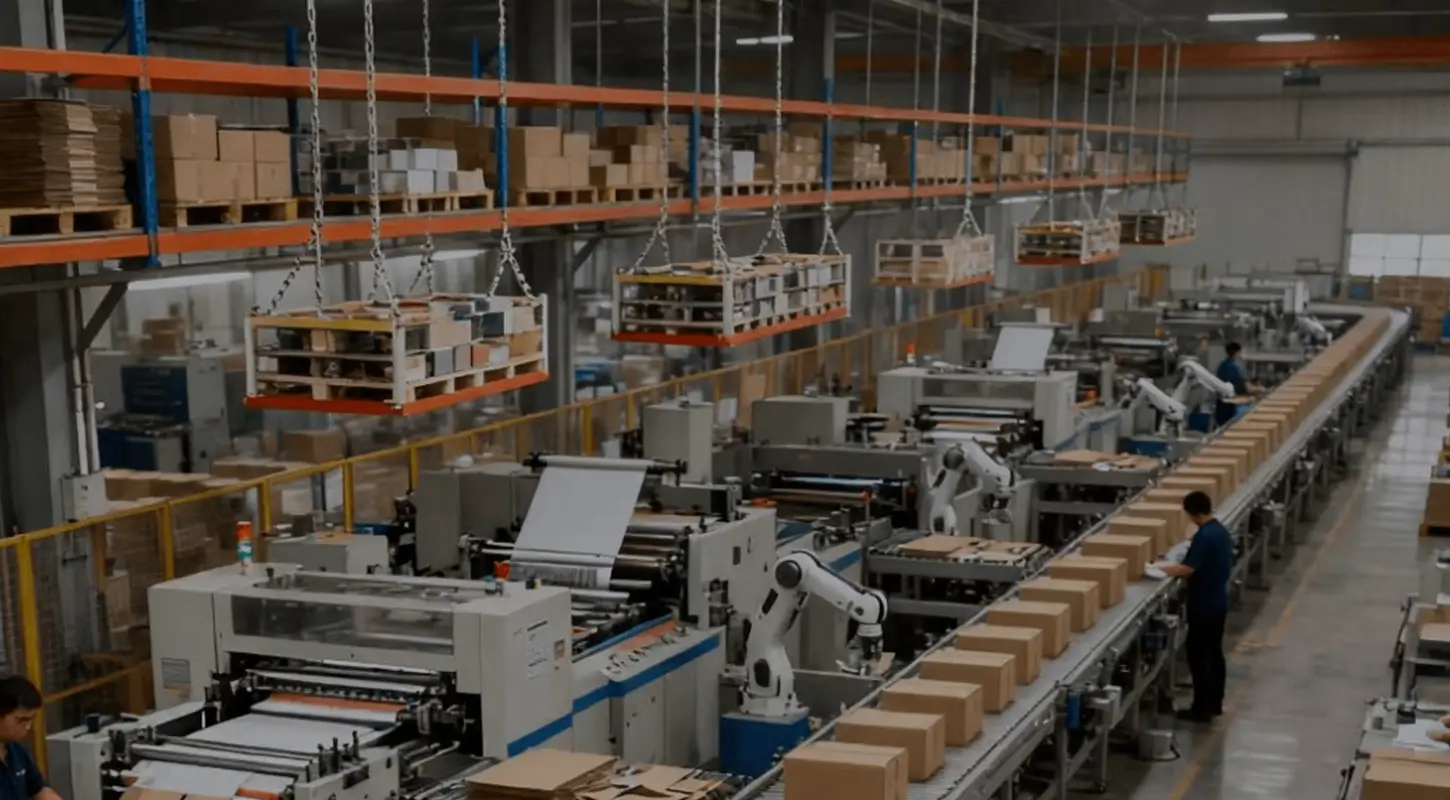
Typical Applications
Applications of Air Compressors in the Packaging Industry
Sollant has specialized in compressed air systems for the packaging industry for over 20 years, serving hundreds of production lines in the food, beverage, pharmaceutical, personal care, and industrial packaging sectors. Having personally participated in compressed air system retrofit projects ranging from small packaging plants to large-scale continuous production lines, we deeply understand that compressed air is the “lifeline” of packaging production.
In the packaging industry, air compressors are widely used in the following key processes:
Pneumatic control and actuation (cylinders, robotic arms, automatic valves)
PET bottle blowing and plastic container molding (high-pressure blow molding)
Modified atmosphere packaging and nitrogen-flushed preservation
Air supply for coding, labeling, and inspection equipment
Container purging, drying, and cleaning
Heat sealing, thermoforming, and material conveyance
The Importance of Air Compressors
The Importance of Air Compressors in the Packaging Industry
Air compressors are the core power equipment in packaging production and are often referred to as the “fourth utility” of the packaging industry (alongside electricity, water, and natural gas). From high-speed packaging lines to precision pneumatic controls, every stage of the process relies heavily on a steady supply of clean compressed air. It is not only the driving force behind equipment operation but also a key factor influencing production efficiency, product quality, and operating costs.
Ensuring Production Efficiency
Provides a stable air supply for equipment such as pneumatic actuators, robotic manipulators, coding machines, and labeling machines, thereby preventing production line downtime or reduced operating speeds.
Ensuring Product Quality
Supplying clean, dry, and oil-free compressed air prevents contamination of packaged products by oil, moisture, and impurities—a critical requirement for food, beverage, pharmaceutical, and cosmetic packaging.
Reducing Operating Costs
An efficient and reliable air compressor system can significantly reduce energy consumption and maintenance costs; compressed air typically accounts for 20% to 35% of a packaging plant’s total electricity bill.

-800x800.jpg "Oil Injected Screw AirCompressor11kw(2)")

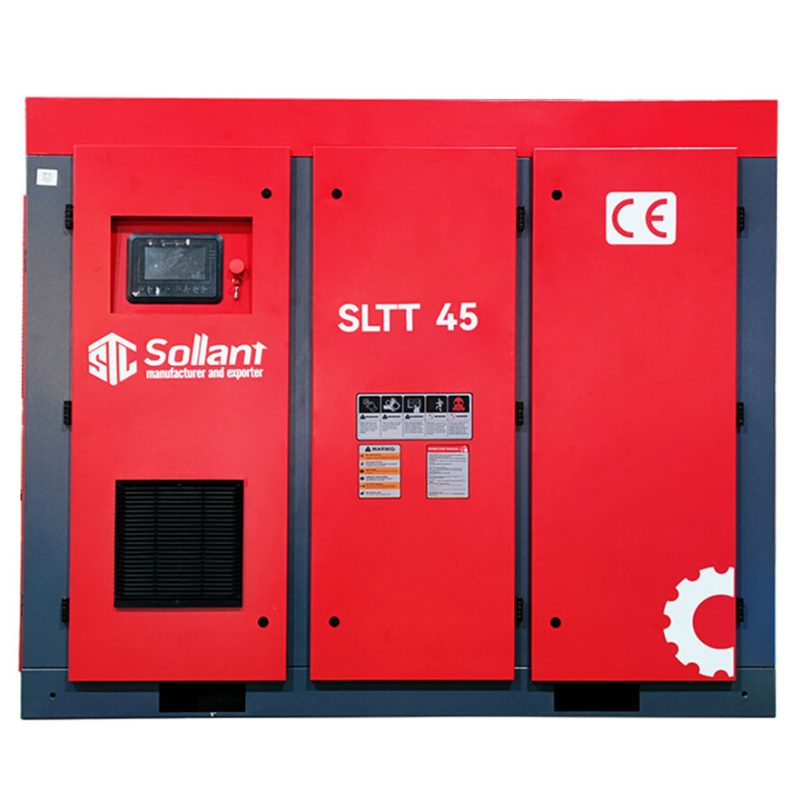
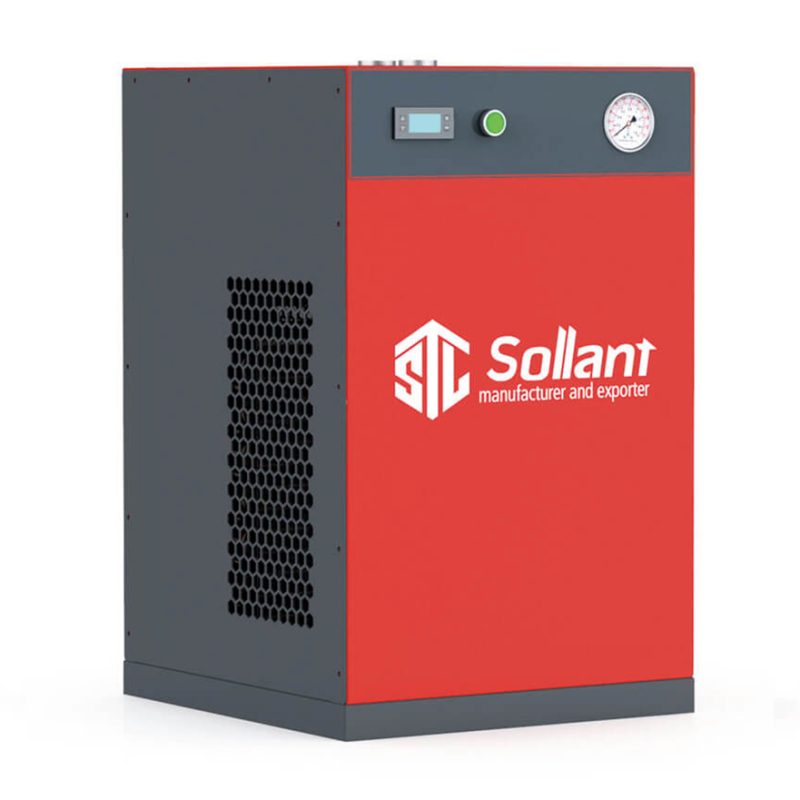
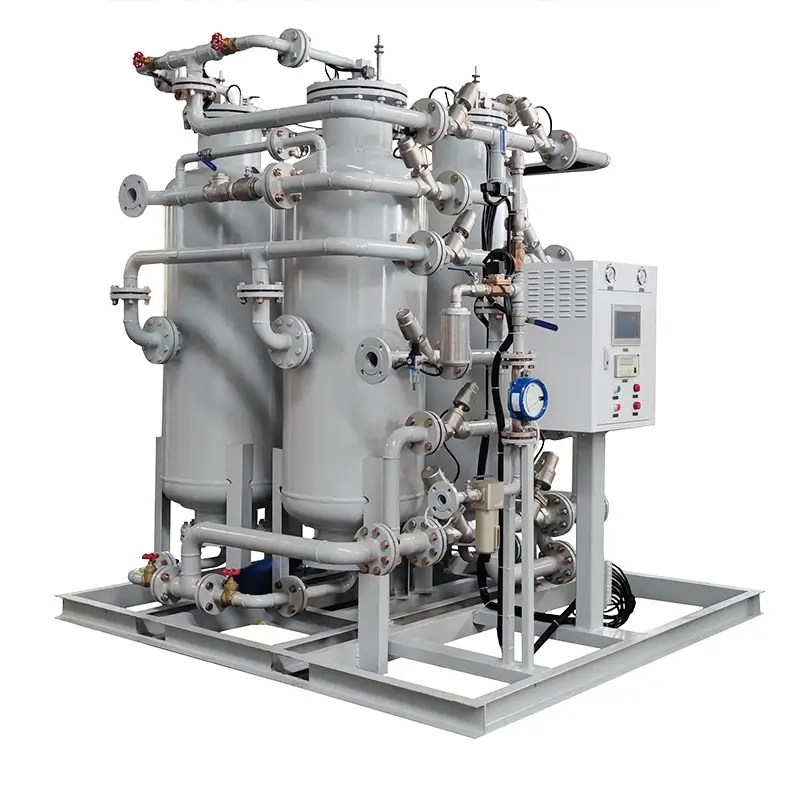
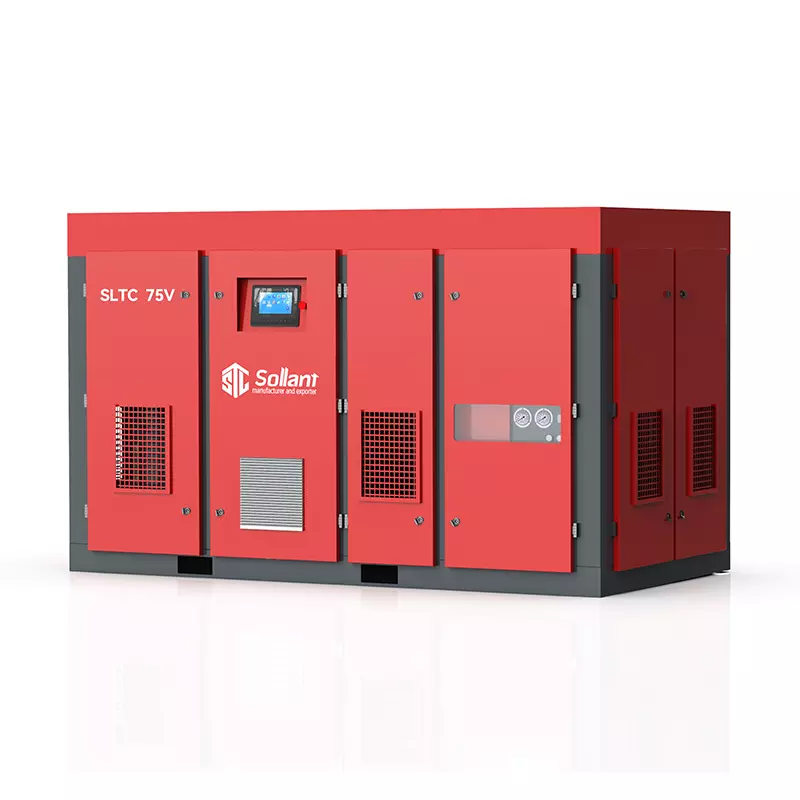
Selecting an Air Compressor
for Packaging Applications
When selecting an air compressor suitable for the packaging industry, the following key factors must be taken into comprehensive consideration:
- Air Consumption (Flow Rate): Calculate the total air consumption (m³/min) based on the number of devices operating simultaneously on the packaging production line and the air consumption of pneumatic actuators. It is recommended to allow for a 15%–20% margin.
- Operating Pressure: Standard pneumatic control typically requires 7–8 bar, while high-pressure bottle blowing requires 30–40 bar. It is recommended to provide separate or staged air supply.
- Air Quality Requirements: Food-grade and pharmaceutical-grade packaging must use oil-free air compressors paired with high-precision after-treatment equipment; general industrial packaging can use oil-injected screw compressors with high-efficiency filtration.
- Plant Scale and Operating Hours: For small to medium-sized packaging plants, integrated cabinets or small variable-frequency units are recommended; for large-scale continuous production lines, permanent magnet variable-frequency units combined with a group control system are recommended.
- Energy Efficiency and Maintenance Costs: Prioritize variable-frequency or permanent magnet variable-frequency models, as long-term operation can significantly reduce electricity and maintenance costs.
- Installation Environment: Consider workshop temperature, humidity, dust levels, and noise control requirements.
You are welcome to contact Sollant’s packaging industry application engineers. We will provide you with a free air consumption audit, professional selection recommendations, and energy consumption calculations to help you choose the most cost-effective air compressor system that best suits your current and future production capacity needs.
Packaging Industry Air Compressor FAQ
Is it mandatory to use oil-free air compressors in the packaging industry?
Not necessarily. It depends entirely on whether the compressed air comes into direct contact with the packaged contents or the inner packaging materials.
Scenarios where oil-free air compressors are required:
- Inner packaging for food, pharmaceuticals, and cosmetics (e.g., direct purging of bottle openings, actuating filling valves, and gas-flushing for modified atmosphere packaging)
- Blow molding of PET beverage bottles (oil vapor can cause “silver streaks” or cloudiness on the bottle surface)
- Sterile packaging of medical devices
- Anti-static packaging of electronic components
Scenarios where oil-lubricated compressors with filtration can be used:
- Forming, sealing, and strapping of outer cartons
- Powering robotic palletizing grippers
- Pallet stretch wrapping machines
- Pneumatic doors and pneumatic tools in packaging material warehouses
How do moisture and oil in compressed air affect packaging production?
The impact is severe. Moisture can cause pneumatic components to rust, slow down their operation, and freeze pipes in winter; it can even lead to poor packaging seals or cause products to become damp and moldy. Oil and impurities can contaminate the surface of packaging materials, resulting in blurred inkjet printing, loose labels, and reduced seal strength. In severe cases, this can lead to an entire batch of products being deemed non-compliant or subject to recall.
In food and pharmaceutical packaging, such contamination not only affects product appearance and shelf life but may also result in regulatory penalties. In our practical projects, we have found that substandard air quality is one of the primary causes of packaging line malfunctions and quality complaints.
What specific requirements does the packaging industry have regarding the dew point of compressed air?
The drying requirements vary significantly depending on the packaging process.
| Packaging Type | Pressure Dew Point Requirements | Recommended Drying Method | Reason |
| Sterile Packaging for Food and Pharmaceuticals | -40°C to -70°C | Adsorption Dryer | Ultra-low humidity prevents bacterial growth and avoids caking of pharmaceutical powders and infant formula |
| PET Bottle Blowing | -40°C | Adsorption Dryer | Prevents water vapor from condensing on the bottle surface, which can cause “white haze” or water spots |
| Modified Atmosphere Packaging (Nitrogen-Filled Preservation) | -40°C | Adsorption Dryer | Prevents moisture from accelerating food spoilage |
| Filling and Sealing | +2°C to +10°C | Refrigerated Dryer | Prevents condensation and rust on filling valves |
| Carton forming/packaging | +10°C to +20°C | Refrigerated dryer or no drying | Generally not very demanding |
| Inkjet Printing and Labeling | +3°C to +10°C | Refrigerated Dryer | Excessively high dew points can cause ink bleeding and label wrinkling |
| Pneumatic Control System | +10°C | Refrigerated Dryer | Prevents water accumulation and corrosion inside pneumatic valves |
How often should air compressors be maintained? What should be noted during daily use?
Daily maintenance is crucial. It is recommended to drain condensate from the air receiver tank daily, inspect and clean the intake air filter weekly (clogging can increase energy consumption by 10%–15%), and regularly replace consumable parts such as the oil filter, oil separator, and air filter. Screw air compressors generally require major maintenance every 8,000 hours or so. Establishing a preventive maintenance schedule can significantly reduce unexpected breakdowns and downtime losses.
What are the requirements for air compressor noise levels and installation environments in packaging facilities?
Packaging facilities, particularly those in the food industry, have strict noise control requirements. It is recommended to select models with noise levels below 75 dB or to install soundproof enclosures or silent-type equipment. Additionally, factors such as workshop temperature, humidity, and dust levels must be considered. It is recommended to establish a separate room for the air compressor and ensure proper ventilation and intake air filtration. A well-maintained installation environment can effectively extend equipment lifespan and reduce failure rates.
Request a Quick Quote Now
Order or No Order? We're here for you 24/7

