

RECIPROCATING COMPRESSORS


DIAPHRAGM COMPRESSOR


Why Choose Us?

① Rich design and manufacturing experience
Our company has accumulated rich design and manufacturing experience and has professional production and processing capabilities in forging, casting, heat treatment, welding, machining, assembly testing, etc., as well as complete technical testing equipment and methods. We can design, manufacture and install according to customer requirements product.
② Complete gas compression solution
Offering a comprehensive suite of solutions for gas compression equipment, our company boasts over 30 product series, including piston compressors and diaphragm compressors. We specialize in delivering cost-effective and reliably safe integrated solutions tailored to the needs of clients in the process gas compression industry.


③ Strict quality control
The company has passed ISO9001, ISO14001, ISO45001 system certification and GC product certification. Each process compressor product strictly follows the quality plan and undergoes strict quality control through professional quality control personnel, professional testing equipment and production processes to ensure that every product shipped meets the standards and meets customer needs.
④ Perfect service guarantee
Ensuring comprehensive service and maintenance support, we offer a diverse range of compressor products, including piston, diaphragm, and high-speed compressors. With over a hundred product series, we provide cost-effective and reliable integrated solutions for gas compression. Our offerings extend beyond product supply to encompass equipment installation, commissioning, operational maintenance, and repair services, ensuring a one-stop solution for our clients

Case Study


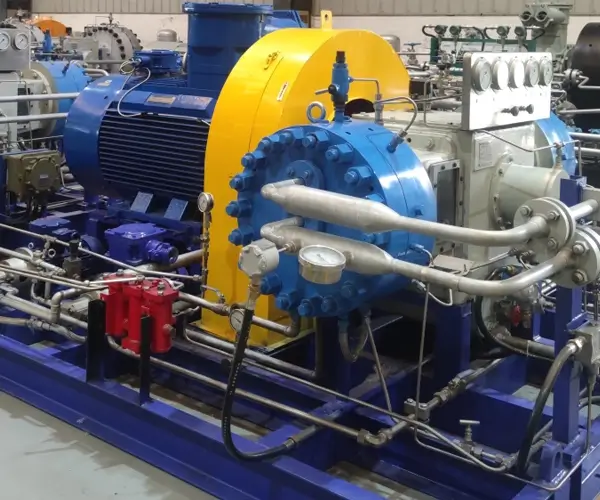
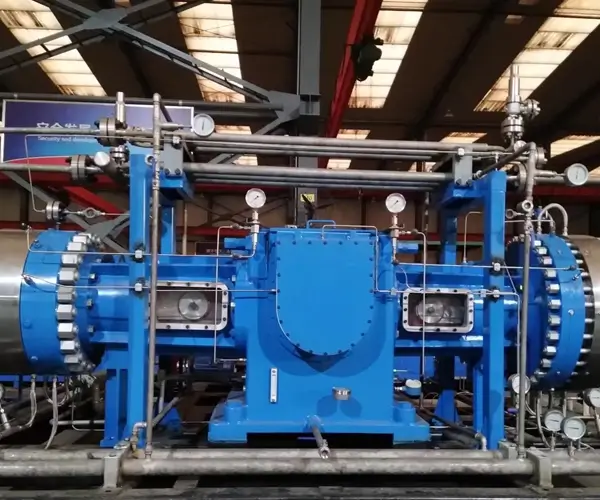

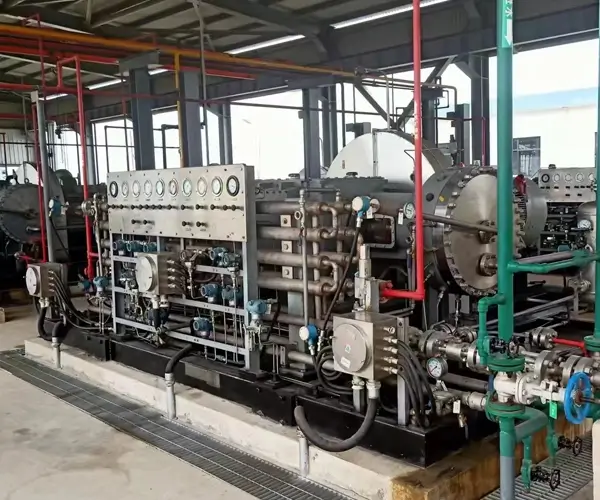
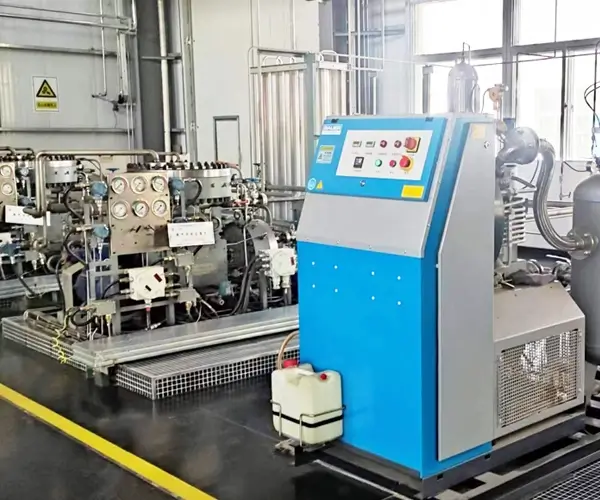

Gas Compression Redefined: Fueling Progress, Powering Success!
Advancing Industrial Processes: A Comprehensive Look at Gas Compressors
Gas compressors are indispensable in various industrial applications, playing a crucial role in enhancing efficiency, facilitating transportation, and supporting a myriad of processes. In this article, we delve into the specific applications and features of ammonia compressors, natural gas compressors, LPG compressors, nitrogen compressors, and biogas compressors, highlighting their significance in diverse industries.
I. Ammonia Compressors: Optimizing Industrial Refrigeration
Ammonia compressors are pivotal in the realm of industrial refrigeration, where maintaining precise temperatures is paramount. Ammonia, known for its energy efficiency and low environmental impact, serves as an ideal refrigerant. Compressors are responsible for elevating the pressure of ammonia gas, ensuring efficient heat transfer in cooling systems. With applications ranging from food processing and cold storage to chemical manufacturing, ammonia compressors are instrumental in advancing sustainable and reliable refrigeration solutions.
II. Natural Gas Compressors: Powering the Energy Landscape
Natural gas compressors are at the forefront of the energy sector, driving the extraction, transportation, and utilization of natural gas. These compressors play a crucial role in maintaining the pressure needed for efficient gas transmission through pipelines. From compression stations in gas fields to the distribution network, natural gas compressors enable the seamless flow of this abundant and cleaner-burning fuel. The efficiency and reliability of these compressors contribute significantly to the energy landscape.
III. LPG Compressors: Enabling Versatile Applications
Liquefied Petroleum Gas (LPG) compressors are essential in optimizing the storage and transportation of this versatile fuel. Compressors ensure that LPG remains in its liquid state under pressure, allowing for efficient storage in tanks and convenient transportation in cylinders. LPG, consisting mainly of propane and butane, finds applications in heating, cooking, industrial processes, and as an alternative fuel for vehicles. LPG compressors contribute to the accessibility and usability of this valuable energy source.
IV. Nitrogen gas compressors: Precision in Industrial Processes
Nitrogen compressors are employed in industries where high-purity nitrogen is required. These compressors elevate the pressure of nitrogen gas, which is used in applications such as electronics manufacturing, food packaging, and pharmaceutical processes. nitrogen gas compressors ensure a reliable supply of high-quality nitrogen, contributing to the precision and efficiency of various industrial operations.
V. Biogas Compressors: Harnessing Renewable Energy
Biogas compressors are integral to the utilization of renewable energy derived from the anaerobic digestion of organic materials. Compressors elevate the pressure of biogas, composed mainly of methane, making it suitable for power generation, industrial processes, and as a clean fuel for vehicles. Biogas compressors play a key role in advancing sustainable waste management practices and harnessing energy from organic sources.
Conclusion: The Versatility and Vitality of Gas Compressors
In conclusion, gas compressors are dynamic tools that power diverse industries and contribute to the global transition towards more sustainable and efficient processes. Whether optimizing refrigeration, facilitating energy transmission, or enabling the use of renewable resources, gas compressors are the unsung heroes behind the scenes, propelling industrial progress and environmental responsibility.
VI. Applications Across Industries: A Holistic Perspective
Gas compressors find versatile applications across industries, illustrating their adaptability and significance.
A. Manufacturing and Automation: In manufacturing processes, gas compressors contribute to automation and precision. Compressed gases are used for pneumatic tools, conveying materials, and maintaining controlled atmospheres in production facilities. The reliability and efficiency of compressors play a vital role in ensuring uninterrupted manufacturing operations.
B. Healthcare and Laboratory Settings: Nitrogen compressors, in particular, find applications in healthcare and laboratory settings. They are integral for producing high-purity nitrogen used in medical devices, pharmaceutical manufacturing, and research laboratories. The stringent requirements for purity and precision make nitrogen compressors crucial in these critical environments.
VII. Environmental Considerations: Sustainable Practices
Gas compressors are increasingly subject to scrutiny regarding their environmental impact. The industry is evolving towards more sustainable practices.
A. Energy Efficiency Improvements: Ongoing advancements in compressor technology focus on enhancing energy efficiency. From variable speed drives to smart control systems, these innovations aim to minimize energy consumption and reduce the carbon footprint associated with gas compression processes.
B. Emission Reduction Initiatives: In alignment with global efforts to combat climate change, the gas compression industry is actively engaged in emission reduction initiatives. This includes the development of low-emission and environmentally friendly compressor designs, as well as the exploration of alternative refrigerants and fuels.
VIII. Future Trends: Smart Technologies and Beyond
The future of gas compressors is shaped by smart technologies, sustainability goals, and a commitment to innovation.
A. Industry 4.0 Integration: The integration of Industry 4.0 technologies is transforming gas compression systems. Smart sensors, real-time monitoring, and predictive maintenance solutions are becoming standard features, providing operators with greater control, efficiency, and reliability in gas compression processes.
B. Sustainable Practices: The future trends in gas compression point towards a continued emphasis on sustainability. This includes the adoption of eco-friendly refrigerants, energy-efficient designs, and a holistic approach to environmental stewardship throughout the life cycle of gas compression systems.
C. Research and Development: Ongoing research and development initiatives are exploring new materials, innovative designs, and novel applications for gas compressors. The industry’s commitment to continuous improvement ensures that gas compression technology remains at the forefront of industrial advancements.
Frequently Asked Questions
What should be done if an ammonia compressor experiences zero or low oil pressure during operation?
Oil pressure is critical for ensuring proper compressor lubrication; therefore, if zero or low oil pressure is detected, the unit must be shut down immediately for inspection. The potential causes and corresponding troubleshooting methods are outlined below:
Oil Piping Issues: Inspect the oil pump piping system connections for any leaks. Leaks prevent the oil pressure from building up; therefore, all joints should be tightened. Additionally, check the piping for any blockages; obstructions hinder oil flow and must be cleared.
Oil Pressure Regulating Valve Malfunction: If the oil pressure regulating valve is opened too wide or if its spool becomes dislodged, it will directly result in abnormal oil pressure. If the valve is improperly adjusted, readjust it to bring the oil pressure to the required level. If the spool has become dislodged, it must be reinstalled and secured.
Insufficient Crankcase Oil Level or Ammonia Contamination: If the lubricant level in the crankcase is too low, the oil pump will be unable to draw in a sufficient volume of oil; lubricant should be added immediately. If liquid ammonia has contaminated the oil, its subsequent evaporation can prevent the oil pump from drawing oil; in this case, the unit must be shut down to purge the ammonia before refilling the crankcase with fresh oil.
Oil Pump Wear: If the oil pump has been in service for an extended period and its internal clearances have become excessive, it may fail to generate adequate oil pressure. In such cases, the oil pump should be repaired; if the wear is severe, the pump should be replaced entirely.
Severe Wear of Moving Components: Severe wear on components such as connecting rod bearings, main bearings, connecting rod small-end bushings, and piston pins can result in excessive internal clearances, making it impossible to maintain oil pressure. The affected components must be replaced promptly.
Gasket Misalignment: If the gasket on the rear cover of the crankcase becomes misaligned, it may obstruct the oil pump’s intake passage. The cover should be removed for inspection, and the gasket’s position must be corrected and secured.
What are the common causes of insufficient discharge volume in natural gas compressors?
A decline in discharge volume is one of the most common issues encountered in natural gas compressors. The primary causes include:
Gas Valve Failure (Most Common Cause): Damaged suction or discharge valve plates, worn valve seat sealing surfaces, or failed valve springs can all lead to gas leakage and backflow, resulting in a significant drop in volumetric efficiency. Gas valves should be disassembled and inspected periodically, and any damaged valve plates or springs should be replaced.
Worn or Broken Piston Rings: As piston rings wear down, the clearance between the rings and the cylinder wall increases. This allows high-pressure gas to leak through the gap into the low-pressure side, resulting in increased internal leakage. A wear curve for the piston rings should be established, and the rings should be replaced periodically based on the accumulated operating hours.
Packing Gland Leakage: When the packing rings become worn, gas leaks outward along the piston rod. If a gas odor is detected within the compressor room, or if the packing gland vent port shows signs of continuous gas discharge, it indicates that the packing requires replacement.
Clogged Intake Filter: Excessive dust accumulation on the intake filter element increases suction resistance, leading to a drop in suction pressure and a reduction in the volume of intake gas. The filter element should be cleaned or replaced on a regular basis.
Excessive Clearance Volume: After prolonged operation, carbon deposits or wear on components such as the cylinder head covers and piston faces can increase the clearance volume, thereby compromising suction efficiency. This issue can be rectified by adjusting the clearance gaskets.
Insufficient Rotational Speed: Factors such as belt slippage, low motor voltage, or insufficient power frequency can cause the actual operating speed to fall below the rated speed, consequently affecting the discharge volume.
Within what ranges should the pressure and temperature of an LPG compressor be maintained during operation?
The operating parameters for an LPG compressor are subject to strict limits; if these limits are exceeded, immediate adjustment or shutdown is required:
| Parameter | Control Requirements | Risk of Exceedance |
| Discharge Temperature | ≤ 180°C | Excessive temperature leads to lubricant coking and carbon buildup; in severe cases, it may trigger an explosion. |
| Lubricating Oil Temperature | ≤ 60°C | Excessive oil temperature leads to a decrease in viscosity and lubrication failure. |
| Discharge Pressure (Model 102) | ≤ 0.784 MPa (8 kgf/cm²) | Excessive pressure may cause equipment rupture. |
| Safety Valve Set Pressure | 0.823 MPa (8.4 kgf/cm²) | Safety valve automatically relieves pressure in the event of overpressure. |
Precautions:
Pressure gauges and thermometers must be checked at all times for signs of malfunction and subjected to periodic calibration.
During operation, monitor the machine for any abnormalities—specifically regarding stability, noise levels, temperature, and pressure.
Regularly drain moisture and oil from the gas-liquid separator and the pressure stabilizer tank; during this draining process, the system pressure should be maintained within the range of 0.294–0.392 MPa.
What are the fundamental differences between nitrogen compression and standard air compression?
Many people mistakenly believe that a nitrogen compressor is merely a standard air compressor with a modified air intake; this is a serious misconception. The differences between the two are as follows:
Differing Purity Requirements: Processes within the electronics industry—such as SMT reflow soldering and chip packaging—require high-purity nitrogen with a purity level exceeding 99.999%. When a standard air compressor compresses air, oil vapors and moisture can contaminate the nitrogen, thereby compromising the wettability of solder joints. One semiconductor packaging and testing facility, for instance, experienced an increase in the rate of “cold solder joints” (poor connections) to 5.2% as a direct result of this issue.
Differing Material Requirements: Although nitrogen is an inert gas, it poses a risk of “nitrogen embrittlement” to carbon steel under high-pressure conditions. Consequently, the gas delivery system must be constructed using 316L stainless steel or higher-grade alloys; standard carbon steel piping is incapable of meeting these requirements.
Differing Sealing Standards: Nitrogen molecules are small and highly permeable; as a result, standard nitrile rubber seals are prone to premature aging and failure when exposed to nitrogen. It is therefore mandatory to utilize seals made from Polytetrafluoroethylene (PTFE) or perfluoroelastomer rubber (Kalrez).
Differing Leakage Rate Requirements: For high-purity nitrogen systems, the pressure drop across the entire unit during a 24-hour pressure-holding test must be less than 0.5%; this is a performance metric that standard air compressors are unable to achieve.
What are the requirements for gas pretreatment prior to the operation of a biogas compressor?
Gas pretreatment is a prerequisite for the reliable operation of a biogas compressor:
Desulfurization: Before entering the compressor, the biogas must undergo an appropriate desulfurization process (such as chemical absorption or biological desulfurization) to reduce its hydrogen sulfide (H₂S) content to a safe level (typically recommended to be < 50 ppm). The H₂S content in the biogas should be monitored regularly to ensure the effectiveness of the desulfurization process.
Installation of High-Efficiency Filters: High-efficiency filters must be installed upstream of the compressor’s inlet to remove solid impurities, oil residues, and other contaminants from the biogas. For biogas streams with high impurity levels, a multi-stage filtration system may be employed to enhance gas purity. The filter elements require periodic cleaning or replacement.
Dehydration: Reducing the moisture content in the biogas helps mitigate acidic corrosion caused by the dissolution of H₂S in water. Methods such as cooling-based water removal or adsorption drying may be utilized for this purpose.
Regular Monitoring: The composition of the biogas should be analyzed periodically, and pretreatment parameters adjusted as necessary in response to fluctuations in gas composition.
REQUEST QUOTE

